How Poor Packaging and Listings Reduce Orders on Flipkart Minutes for Chandigarh Sellers


Many Chandigarh sellers join Flipkart Minutes expecting a steady flow of hyperlocal orders, only to see disappointing numbers after the initial excitement. In most cases, the problem is not demand, but how products are packaged and listed on the marketplace. Small mistakes in these two areas quietly reduce visibility, trust, and conversions.

When you understand how Flipkart Minutes prioritizes speed, reliability, and customer experience, it becomes clear why poor packaging and weak listings directly lead to low orders. By fixing these issues with a structured approach, Flipkart Minutes sellers in India, especially in Chandigarh, can quickly turn underperforming accounts into consistent revenue channels.

Why Flipkart Minutes Performance Depends On Packaging And Listings

Flipkart Minutes is built around quick commerce, where customers expect fast delivery, accurate products, and damage-free packaging. The algorithm favors sellers who consistently meet these expectations, which means packaging quality and listing clarity are not optional, they are core performance drivers. If either is weak, your products are less likely to rank or convert.

For Chandigarh sellers, competition is increasing as more local businesses join Flipkart Minutes. When multiple sellers offer similar products, the platform relies on listing quality, customer ratings, and operational metrics to decide who gets more visibility. Poor packaging and incomplete listings lead to low orders, lower ratings, and eventually reduced exposure in search results.

Common Packaging Mistakes That Reduce Flipkart Minutes Orders

Many Flipkart Minutes packaging mistakes look minor at first glance but have a big impact on repeat orders and ratings. Damaged items, leakage, or messy presentation quickly push customers to choose another seller, even if your prices are competitive. Over time, these issues signal to the platform that your account is risky for quick commerce orders.

Flipkart seller packaging tips are not just about using a box or a polybag. They are about matching packaging to product type, delivery distance, and handling conditions. When packaging is not optimized, even a well-optimized listing cannot save you from cancellations, returns, and negative feedback that lower your Flipkart Minutes performance.

Weak Protection And Product Damage

One of the biggest reasons for flipkart minutes low orders is product damage during transit. Thin or loose packaging, lack of cushioning, and poor sealing cause items to arrive broken, crushed, or leaking. Customers often rate these orders poorly, even if delivery was on time, because the product is unusable.

To avoid this, sellers should choose packaging materials that match product fragility. For example, glass bottles, cosmetics, and electronics need bubble wrap, sturdy boxes, and proper taping. When customers repeatedly receive well-protected items, trust increases, and Flipkart Minutes starts favoring your listings for more local orders.

Unprofessional Or Inconsistent Branding

While Flipkart Minutes focuses on speed, customers still judge professionalism by how a package looks when it arrives. Handwritten labels, mismatched packaging, or reused boxes without care can make your business look unreliable. Even if the product is fine, the overall experience feels low quality.

Consistent, clean, and clearly labeled packaging helps customers remember your store and feel confident ordering again. Over time, this improves your ratings and reduces complaints, which directly supports better Flipkart Minutes optimization and stronger visibility in your service area.

Ignoring Local Climate And Product Sensitivity

Chandigarh sellers often forget how weather and temperature affect packaging decisions. Heat-sensitive items, food products, and personal care goods can get damaged if not packed correctly. This is especially important for Flipkart Minutes, where customers expect fresh and usable products within minutes.

Using insulated packaging, moisture-resistant materials, and secure sealing can prevent spoilage or damage. When customers consistently receive products in good condition, your flipkart minutes packaging mistakes reduce, and your account metrics improve, leading to more orders from nearby pin codes.

Listing Issues That Quietly Kill Flipkart Minutes Visibility

Even with strong packaging, many sellers struggle because their listings are incomplete, confusing, or poorly optimized. Flipkart listing optimization is critical for being discovered in search, especially when customers use filters, categories, and specific keywords to find products within Flipkart Minutes.

Low-quality images, missing attributes, and weak descriptions send negative signals to both customers and the algorithm. When buyers cannot clearly understand what they are getting, they either skip your product or place an order and later feel disappointed, which again leads to low orders and poor performance.

Unclear Titles And Weak Keyword Targeting

Flipkart Minutes relies heavily on clear, keyword-rich titles to match search queries with relevant products. If your titles are vague, stuffed with random words, or missing key attributes like size, flavor, or quantity, your products may not appear for the right searches. This is a common flipkart minutes listing issue that many sellers overlook.

Effective flipkart listing optimization means including brand, product type, key feature, size or quantity, and relevant keywords in a natural way. This helps both the algorithm and the customer quickly understand your offer, improving click-through rates and conversions within Flipkart Minutes.

Poor Images And Incomplete Product Details

Customers on Flipkart Minutes make decisions quickly, often within seconds. If your images are blurry, dark, or inconsistent, they immediately reduce trust. Similarly, missing product details like ingredients, material, usage instructions, or warranty information create hesitation, especially for new buyers.

High-quality images from multiple angles, clean backgrounds, and clear labels are essential for strong Flipkart Minutes optimization. Detailed bullet points and structured descriptions answer common questions upfront, reducing returns and increasing the chances that your listing will be favored for local quick commerce orders.

How Poor Packaging And Listings Affect Flipkart Minutes Metrics

Flipkart Minutes tracks several performance metrics that influence how often your products are shown to customers. Poor packaging and weak listings directly affect these metrics, even if you are active and responsive as a seller. Understanding this connection is crucial for Chandigarh sellers who want to scale quickly.

Some of the key metrics impacted include cancellation rate, return rate, customer ratings, and order defect rate. When these numbers are high, the platform is less likely to push your products in top positions, which leads to flipkart minutes low orders and slower growth in your local market.

Impact On Customer Ratings And Repeat Orders

Every damaged product, misleading listing, or missing detail increases the chances of a negative review. Over time, even a few low ratings can significantly reduce your average score, especially for new Flipkart Minutes sellers in India. Customers often filter by rating, so a lower score means fewer clicks and fewer conversions.

On the other hand, when packaging is reliable and listings are accurate, customers are more likely to reorder and recommend your store. This creates a positive cycle where better ratings lead to more visibility, which leads to more orders and stronger performance on Flipkart Minutes.

Algorithm Signals And Local Ranking

Flipkart Minutes is a quick commerce model, so the algorithm looks for sellers who can deliver fast, accurately, and consistently. High return rates, frequent complaints, and poor listing engagement send negative signals, even if your prices are attractive. These signals reduce your chances of appearing in top search positions for nearby customers.

By fixing flipkart minutes packaging mistakes and listing issues, you improve these signals and help the algorithm trust your account. This is especially important in competitive cities like Chandigarh, where multiple sellers may offer similar products within the same delivery radius.

Practical Optimization Steps For Chandigarh Flipkart Minutes Sellers

Improving performance on Flipkart Minutes does not always require big investments. Small, consistent changes in packaging and listing quality can quickly boost visibility and orders. Chandigarh sellers can treat this as an ongoing process rather than a one-time setup.

Start by auditing your current catalog and packaging approach. Identify which products get the most complaints, returns, or low ratings. Then, apply targeted flipkart minutes optimization techniques to those items first, so you see faster improvements in your account metrics and order volume.

Packaging Improvements You Can Implement Quickly

Begin with your top-selling or most fragile products. Upgrade to stronger boxes, add bubble wrap or fillers, and ensure every package is sealed properly. Use clear labels and avoid overpacking or underpacking, both of which can cause damage during quick commerce deliveries.

You can also create simple internal packaging standards for your team, such as specific materials for each product category. These Flipkart seller packaging tips help maintain consistency, reduce mistakes, and build a more professional brand image for your Flipkart Minutes customers.

Listing Optimization For Better Discoverability

For each product, review titles, descriptions, bullet points, and images. Make sure your focus keyword Flipkart Minutes and related family keywords such as flipkart minutes listing issues and flipkart minutes sellers india appear naturally where relevant. Avoid keyword stuffing, but do not leave important search terms out of your content.

Use clear, high-resolution images and ensure that every important attribute is filled in the backend. This level of flipkart listing optimization helps your products rank better for local searches and improves conversion rates when customers compare multiple options in Flipkart Minutes.

Leveraging Local Quick Commerce Marketing Support In Chandigarh

As Flipkart Minutes grows across India, local competition will only increase. Many Chandigarh sellers are now exploring Quick commerce marketing services in Chandigarh to refine their packaging, listings, and overall marketplace strategy. External support can help you avoid trial-and-error and move directly to proven optimization methods.

Working with specialists who understand Flipkart Minutes Chandigarh dynamics, local buyer behavior, and category trends can significantly shorten your learning curve. With the right guidance, you can align your packaging, listings, and operations with what the platform rewards, leading to more stable and scalable order growth.

Conclusion: Turn Packaging And Listing Weaknesses Into Growth Drivers

Poor packaging and weak listings are two of the most common reasons sellers struggle with Flipkart Minutes, especially in competitive markets like Chandigarh. By treating these areas as strategic levers instead of afterthoughts, you can improve customer experience, strengthen algorithm signals, and unlock higher order volumes from your local audience.

If you are ready to upgrade your Flipkart Minutes presence with expert guidance on packaging, listing optimization, and quick commerce strategy tailored for Chandigarh, HRL Infotechs can help you turn underperforming products into consistent revenue drivers.
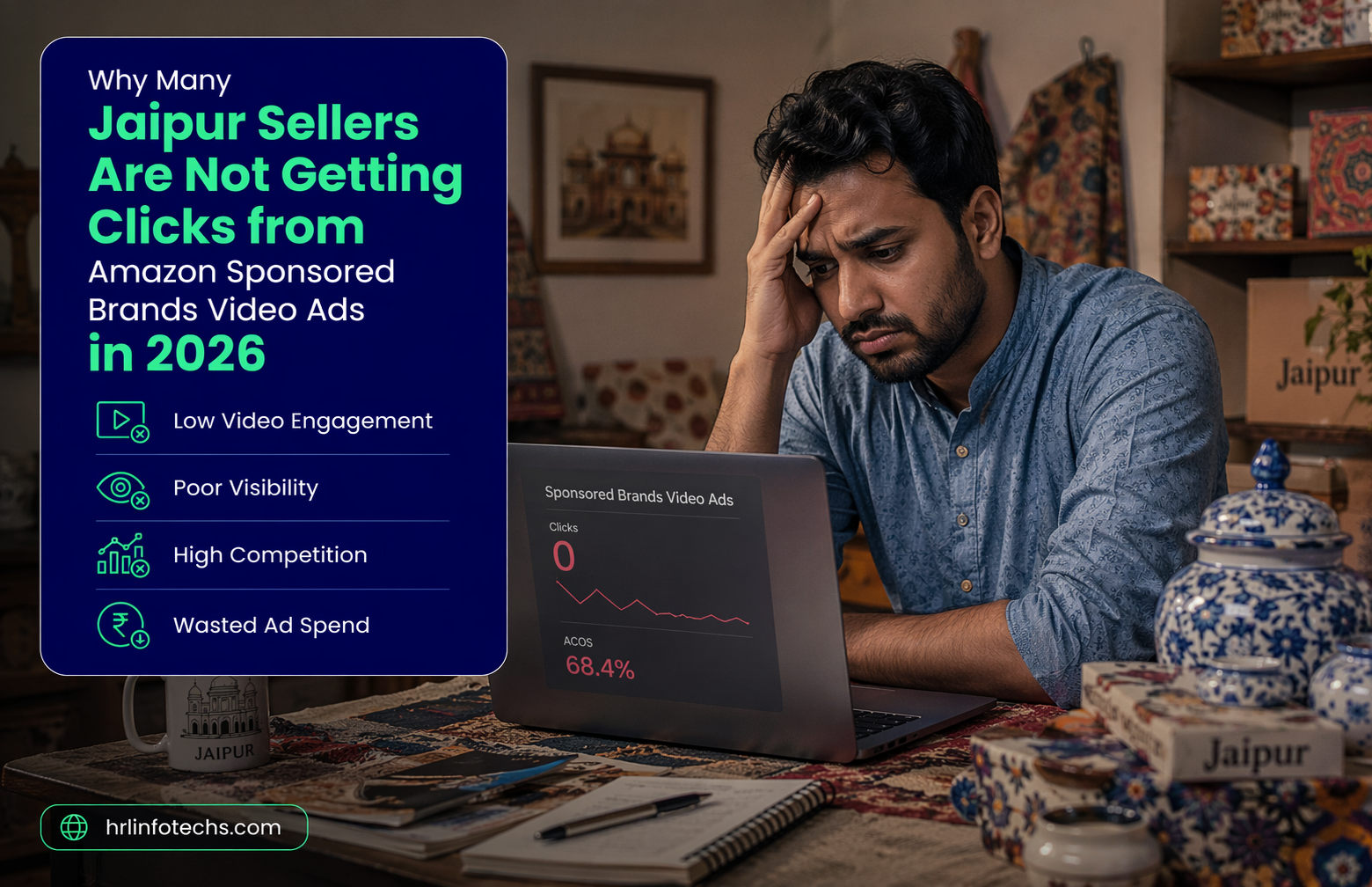
Why Many Jaipur Sellers Are Not Getting Clicks from Amazon Sponsored Brands Video Ads in 2026


Many Jaipur sellers are investing in Amazon Advertising but still not getting enough clicks from Sponsored Brands video ads. The campaigns are live, budgets are spent, yet the click-through rate feels disappointing compared to competitors in other cities and across India. This gap often comes from strategy and execution, not just competition.

When you look closely at top-performing Amazon sponsored brands video ads, you notice a pattern. They combine sharp targeting, strong creatives, and data-driven optimization. In 2026, simply launching a video campaign is not enough. Jaipur-based sellers need a clear Amazon video ads optimization plan tailored to local market realities and Amazon’s evolving ad ecosystem.

Why Amazon Sponsored Brands Video Ads Get Low Clicks in Jaipur

Many sellers assume that low clicks are only due to high competition or small budgets. In reality, Amazon advertising performance usually suffers because the campaign structure, targeting, and messaging are not aligned with shopper intent. When the foundation is weak, even a good product struggles to attract attention in crowded search results.

Another common issue is copying generic strategies from global blogs without adapting them to Amazon sponsored video ads India specific trends. Indian shoppers search differently, compare prices more actively, and often respond better to clear value-focused messaging. Ignoring these behavior patterns leads to amazon video ads low clicks, even when the product has strong potential.

Misaligned Targeting: Reaching Views, Not Buyers

One of the biggest reasons Jaipur sellers see poor Amazon video ads performance is broad or irrelevant keyword targeting. Many campaigns chase high-volume keywords that look attractive in tools but do not match the actual buying intent of the audience. This results in impressions without engagement and a weak amazon video ads ctr.

Additionally, some sellers rely only on auto campaigns or a small set of generic keywords. Without a structured keyword strategy, Amazon sponsored brands strategy becomes guesswork. The video appears in front of the wrong shoppers, leading to wasted spend and low clicks, especially in competitive categories like fashion, home decor, and electronics.

How to Refine Targeting for Higher Clicks

To improve Amazon Advertising results, start by separating keywords into clear intent groups. Use branded, competitor, and long-tail product keywords in different ad groups. This helps you control bids and measure which segments deliver better engagement and conversions from your amazon sponsored brands video ads.

It is also important to use negative keywords to block irrelevant traffic. For example, if you sell premium products, you may want to exclude terms like “free” or “cheap” that attract low-intent clicks. Over time, this disciplined approach improves amazon video ads optimization and boosts your overall click-through rate.

Weak Video Creatives That Fail to Stop the Scroll

Even with perfect targeting, poor creatives can kill performance. Many Jaipur sellers use generic product spins or slideshow-style videos that look similar to every other listing. On Amazon, shoppers scroll quickly, so your amazon sponsored brands video ads must capture attention within the first 2 to 3 seconds.

Another frequent mistake is ignoring mobile-first design. A large share of Amazon shoppers in India browse on mobile devices. If your text is too small, visuals are cluttered, or the product benefit is unclear on a small screen, your amazon video ads ctr will suffer even if impressions are high.

Best Practices to Improve Amazon Video Ads Performance

To make your Amazon Advertising more effective, focus on a single clear message in each video. Highlight the strongest benefit or unique selling point early, supported by simple visuals and readable text overlays. This helps shoppers quickly understand why they should click and explore your product detail page.

Consider testing different hooks such as problem-solution, before-after, or social proof angles. Short, sharp edits with clear calls to action usually outperform long, slow videos. Over time, structured testing helps you identify which creative style drives the best amazon video ads performance for your category and audience.

Poor Landing Page Experience After the Click

Sometimes the issue is not just low clicks but also weak conversions. Even if your amazon sponsored brands video ads attract attention, shoppers may drop off if the product detail page does not match the promise of the video. This disconnect reduces the overall effectiveness of your Amazon Advertising investment.

Common problems include low-quality images, missing lifestyle photos, thin descriptions, and weak bullet points. When shoppers land on such pages, they lose confidence and return to search results. This behavior signals to Amazon that your ad is less relevant, which can indirectly impact your amazon video ads optimization potential.

Aligning Video Messaging With Product Pages

For stronger performance, ensure that your video, title, images, and bullet points all reinforce the same core benefits. If the video highlights durability or premium materials, your product page should show close-up images and clear proof of those claims. This consistency builds trust and supports better conversion rates.

It is also helpful to optimize A+ content and use comparison charts when available. A well-structured product page not only improves conversions but also enhances the overall impact of your amazon sponsored brands strategy, making your campaigns more profitable over time.

Limited Use of Data and Ongoing Optimization

Many Jaipur sellers treat Amazon Advertising as a one-time setup instead of a continuous optimization process. They launch amazon sponsored video ads India campaigns, check results occasionally, and make changes only when performance drops sharply. This reactive approach leaves a lot of growth potential on the table.

In 2026, successful advertisers treat data as a daily guide. They monitor search term reports, placement performance, and device-level trends to refine their amazon marketing services in jaipur strategies. Without this discipline, campaigns stay stuck at average performance and never unlock the full potential of Amazon’s ad ecosystem.

Key Metrics Every Jaipur Seller Should Track

To improve amazon video ads optimization, focus on a few core metrics: click-through rate, cost per click, conversion rate, and advertising cost of sales. These numbers show how well your ads attract attention, how efficiently you pay for traffic, and how effectively you convert visitors into buyers.

Additionally, review search term reports to discover new keyword opportunities and irrelevant queries. This helps you expand profitable segments and cut waste. Over time, this disciplined approach transforms your Amazon Advertising from a cost center into a scalable growth channel.

When to Seek Professional Amazon Ads Support in Jaipur

Not every seller has the time or internal expertise to manage complex campaigns. As product catalogs grow and competition intensifies, many brands look for an Amazon advertising agency in jaipur or amazon ads expert jaipur to handle strategy, execution, and reporting. This support can be especially valuable for multi-category or seasonal businesses.

Professional teams often bring structured processes for keyword research, creative testing, and amazon seller account managment services. They also understand how to integrate Sponsored Products, Sponsored Brands, and Sponsored Display into a unified amazon sponsored brands strategy that supports long-term brand growth on Amazon India.

Choosing the Right Partner for Amazon Ads Jaipur Sellers

When evaluating amazon marketing services in jaipur, look beyond generic promises and focus on process, transparency, and category experience. Ask how they approach keyword research, creative testing, and reporting. A strong partner will be able to explain how they optimize amazon sponsored brands video ads for both clicks and conversions.

It is also important to check how they handle budget allocation across campaigns and seasons. The right Amazon Advertising partner will help you scale winning campaigns, protect margins, and continuously refine your strategy based on real marketplace data, not just assumptions.

Conclusion: Turning Low Clicks into Scalable Growth

Jaipur sellers struggling with amazon video ads low clicks are rarely facing a single problem. It is usually a mix of misaligned targeting, weak creatives, under-optimized product pages, and limited use of data. The good news is that each of these areas can be improved with a clear, step-by-step Amazon Advertising strategy.

By refining your keyword approach, strengthening your video creatives, aligning landing pages, and treating optimization as an ongoing process, you can transform your amazon sponsored brands video ads into a powerful growth engine. If you need expert support to accelerate this journey and unlock better results from Amazon Advertising in India, partnering with HRL Infotechs can be a strong next step.

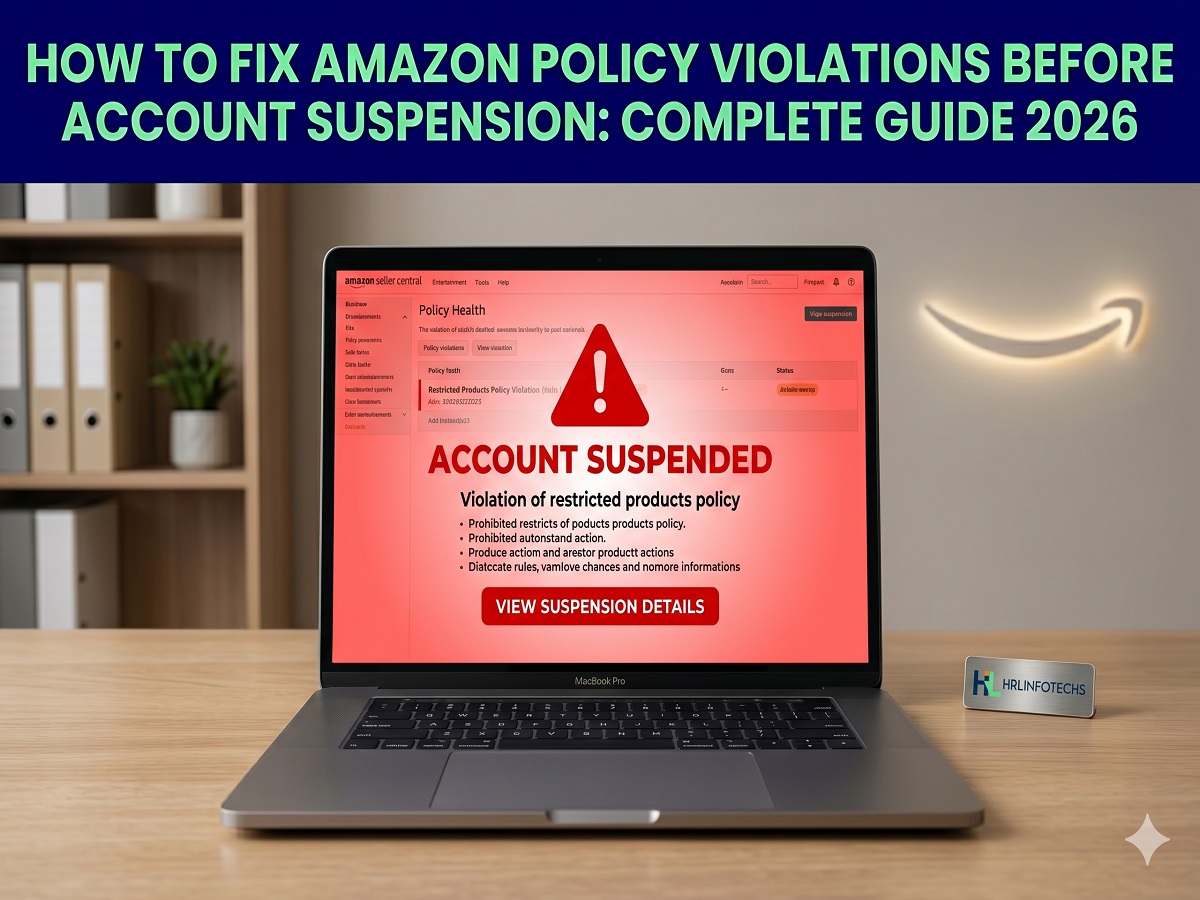
How to Fix Amazon Policy Violations Before Account Suspension: Complete Guide 2026


Policy violations on Amazon rarely appear out of nowhere. They usually build up quietly in your Account Health dashboard until one day you receive a warning, a restriction, or a dreaded suspension notice. The good news is that most sellers can fix Amazon policy violations before they reach that point, if they know exactly what to look for and how to respond.

This complete 2026 guide walks you through how to fix Amazon policy violations step by step, reduce your risk of account suspension, and build a safer, more compliant business on Amazon India. You will learn how Amazon account health violation metrics work, what triggers an Amazon seller policy violation, and how to prepare a strong plan of action that actually gets approved.

Understanding Amazon Policy Violations And Account Health

Before you can fix Amazon policy violations, you need to understand how Amazon defines them and how they affect your Account Health. Amazon tracks every seller against key metrics such as Order Defect Rate, Cancellation Rate, Late Shipment Rate, and policy compliance related to product authenticity, listing accuracy, and customer experience.

Each time you receive an Amazon seller policy violation, it appears in your Account Health dashboard under Product Policy Compliance, Shipping Performance, or Customer Service Performance. If these violations are not fixed quickly, your overall rating can move from Healthy to At Risk, and finally to Critical, which is when Amazon account suspended what to do India becomes a very real question.

Types Of Amazon Seller Policy Violations You Must Watch

Most sellers only think about suspensions, but the real danger starts earlier with smaller Amazon account health violation alerts. These may include listing policy violations, intellectual property complaints, restricted product issues, safety concerns, or customer complaints about product quality or authenticity.

Another common category is amazon listing violation fix issues, where titles, images, bullet points, or keywords break Amazon’s style or compliance rules. Ignoring these early warnings is risky, because repeated violations signal to Amazon that your business is not under control, which can trigger manual reviews and enforcement actions.

Why Fixing Violations Early Protects Your Business

When you fix Amazon policy violations quickly, you protect your revenue, your brand reputation, and your long-term ability to sell on Amazon. Every violation that remains unresolved increases the chance of automated restrictions or manual investigations by Amazon’s Seller Performance team.

In addition, resolving issues early gives you more time to gather documentation, improve internal processes, and prevent similar problems from happening again. This proactive approach is essential for sellers who want to scale, invest in Amazon marketing services, and grow their catalog without constantly worrying about sudden suspensions.

How To Fix Amazon Policy Violations Step By Step

To fix Amazon policy violations effectively, you need a clear, repeatable process. Treat every violation as a signal that something in your operations, listings, or supply chain needs attention, not just as a ticket to close. This mindset will help you build a stronger and more compliant Amazon business.

The following step by step workflow is designed for sellers in India who want to stay ahead of Amazon’s enforcement systems. It aligns with how Seller Performance teams review cases and increases your chances of getting quick approvals when you submit appeals or plans of action.

Step 1: Review Your Account Health Dashboard Daily

Start by logging into Seller Central and opening the Account Health dashboard at least once a day. This is where you will see every Amazon account health violation, including policy warnings, performance alerts, and deactivation risks. Do not wait for email notifications alone, as they can be delayed or missed.

Filter by the most recent violations and note the type, affected ASINs, and deadlines. When you fix Amazon policy violations early, you often avoid stricter penalties. Daily monitoring also helps you spot patterns, such as repeated complaints on the same product or category.

Step 2: Read The Violation Details And Root Cause Carefully

Many sellers rush to respond without fully understanding the violation type. Instead, open each case and read the exact policy that Amazon says you violated. For example, an amazon seller policy violation could relate to product condition, authenticity, listing accuracy, or customer communication.

Next, investigate the root cause internally. Check order messages, customer reviews, supplier invoices, packaging, and listing history. When you know what actually went wrong, you can fix Amazon policy violations with targeted actions instead of generic promises that Amazon will likely reject.

Step 3: Correct Listings, Operations, Or Supply Chain Issues

Once you identify the root cause, take concrete corrective actions. For an amazon listing violation fix, this might mean updating titles, removing prohibited keywords, changing images, or adjusting product descriptions to match the actual item you ship.

For performance or product quality violations, you may need to change packaging, improve quality checks, update handling times, or switch suppliers. Document every change you make, including screenshots, invoices, or SOP updates. This documentation will be critical when you explain how you fix Amazon policy violations in your appeal.

Step 4: Prepare A Strong Plan Of Action For Amazon

When Amazon requests an appeal, you must submit a clear Plan of Action. This is where many sellers struggle, especially when facing amazon account suspended what to do India situations. A strong Plan of Action usually includes three parts: what caused the issue, what you have done to fix it, and what you will do to prevent it in the future.

Use short, factual sentences and avoid emotional language. Focus on process improvements, such as new quality checks, staff training, better supplier vetting, or updated listing review procedures. The more specific you are, the easier it is for Amazon to trust that you can fix Amazon policy violations and avoid repeating them.

Preventing Future Amazon Account Health Violations

Fixing existing violations is only half the battle. To build a stable business, you must prevent new Amazon account health violation incidents from appearing. Prevention saves time, protects cash flow, and reduces the stress of dealing with urgent deactivation threats.

Think of prevention as building a compliance system around your Amazon store. This system should cover product sourcing, listing creation, customer service, and performance monitoring. When every part of your operation follows Amazon’s rules, you naturally reduce the number of amazon seller policy violation alerts.

Implement Internal Compliance Checklists

Create simple checklists for new product launches, listing updates, and supplier onboarding. These checklists should include checks for restricted categories, trademark or copyright risks, safety documentation, and accurate product descriptions. Use them every time, not just when problems appear.

Over time, these checklists help you fix Amazon policy violations before they even occur, because your team learns to think like Amazon’s policy reviewers. This structured approach is especially important if you manage multiple marketplaces or plan to scale with Amazon marketing services.

Train Your Team On Amazon Policies Regularly

Many violations happen because team members are not fully aware of Amazon’s latest rules. Schedule regular training sessions for staff who handle listings, customer communication, inventory, and advertising. Walk them through real examples of amazon listing violation fix cases and how they were resolved.

Encourage your team to flag potential issues early instead of hiding mistakes. A culture of transparency makes it easier to fix Amazon policy violations quickly and keeps your account in good standing, even as your order volume grows.

When Your Amazon Account Is Suspended: What To Do In India

If your account is already deactivated, you need to act methodically. The first step is to stay calm and read the suspension notice carefully. It will usually mention the main reason, such as product authenticity, safety complaints, or repeated policy breaches.

Next, gather all relevant data: invoices, supplier contacts, shipment records, customer messages, and internal SOPs. This information will help you understand what went wrong and how to fix Amazon policy violations that triggered the suspension. Avoid sending multiple rushed appeals, as this can reduce your chances of reinstatement.

Building A Reinstatement Strategy That Works

For amazon account suspended what to do India cases, your reinstatement strategy should follow a clear structure. Start with a short introduction acknowledging the issue, then explain the root cause, corrective actions, and long-term preventive measures in separate sections.

Keep your tone professional and factual. Attach supporting documents where allowed and make sure your Plan of Action directly answers the concerns raised in the suspension notice. When you show that you can fix Amazon policy violations with real operational changes, Amazon is more likely to restore your selling privileges.

Should You Work With An Amazon Account Management Agency In India

As Amazon policies become stricter each year, many sellers consider partnering with an Amazon accoumt managment agency in India to handle compliance, optimization, and growth. A good agency can help you interpret policy updates, monitor account health, and respond quickly to new violations.

In addition, experienced partners can support you with Amazon marketing services, listing optimization, catalog expansion, and performance analytics. This combination of growth and compliance support makes it easier to fix Amazon policy violations while still focusing on scaling your business across categories and marketplaces.

What To Look For In A Compliance-Focused Partner

When choosing a partner, look for a proven track record with Amazon seller policy violation cases, strong understanding of Amazon India marketplace rules, and transparent communication. Ask how they monitor account health, prepare Plans of Action, and coordinate with your internal team.

Also check whether they can support related areas such as amazon listing violation fix, catalog audits, and advertising optimization. A partner who understands both growth and compliance can help you fix Amazon policy violations faster and prevent new ones from appearing as your sales increase.

Conclusion: Take Control Of Your Amazon Policy Compliance

Fixing Amazon policy violations is not just about avoiding suspension; it is about building a resilient, trustworthy business that can grow year after year. By monitoring your Account Health daily, investigating root causes, implementing strong internal processes, and preparing clear Plans of Action, you can stay ahead of enforcement and protect your revenue.

If you need expert guidance to review your account, resolve complex violations, or build a long-term compliance and growth strategy tailored to India, the specialist team at HRL Infotechs can help you move from reactive firefighting to confident, scalable selling on Amazon.

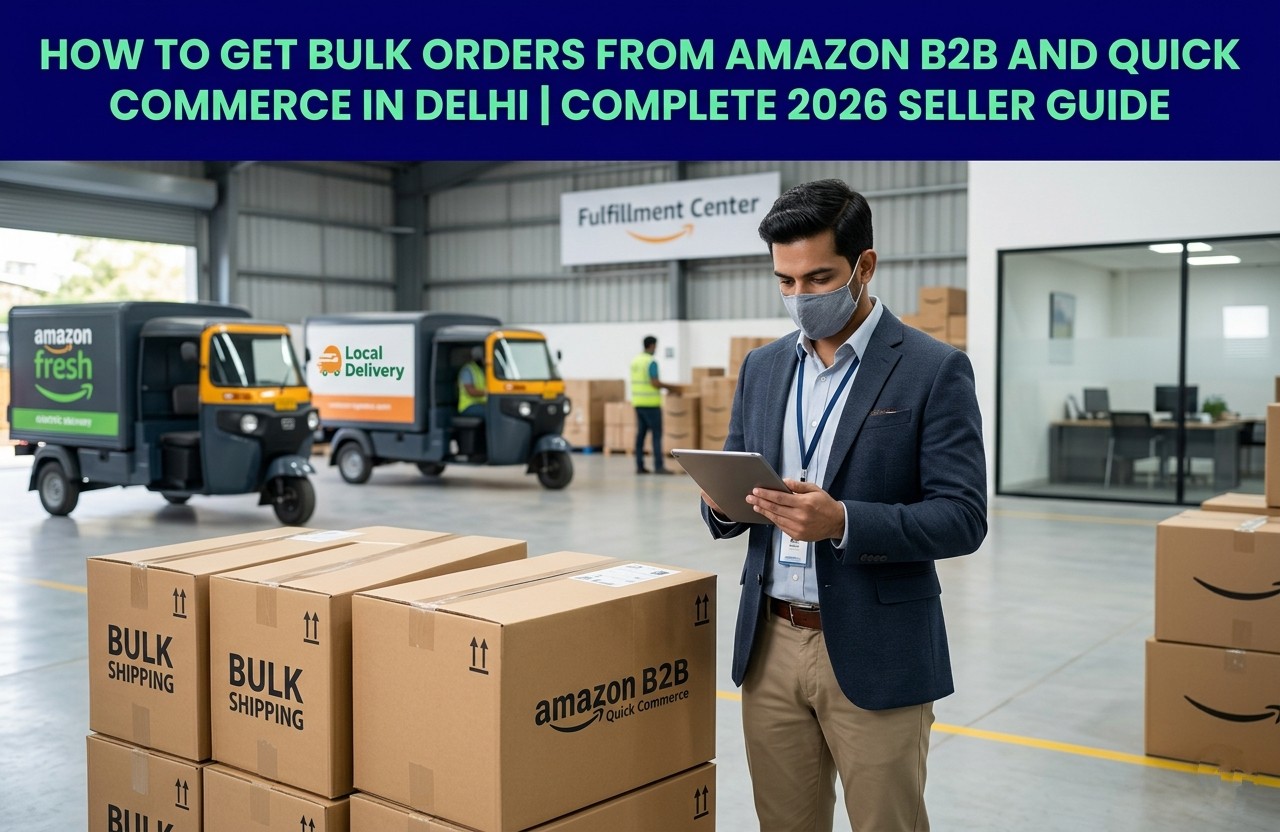
How to Get Bulk Orders from Amazon B2B and Quick Commerce in Delhi Complete 2026 Seller Guide


Business buying on marketplaces in India has exploded, and Delhi is at the center of this growth. If you are a seller who wants to win high-value business customers, learning how to get consistent Amazon B2B bulk orders India and tapping quick commerce platforms can completely change your revenue profile in 2026.

This guide walks you step by step through how to get bulk orders on Amazon Business India, how to sell to business buyers in Delhi, and how to plug into the quick commerce bulk supply model so you can move from small, fragmented orders to predictable, scalable B2B demand.

Understanding Amazon B2B Bulk Orders India Opportunity in 2026

Amazon Business has become one of the most powerful channels for B2B procurement in India, especially for offices, retailers, institutions, and resellers. For Delhi-based sellers, this means a huge opportunity to secure repeat bulk orders instead of relying only on retail consumers and one-time purchases.

The key is to treat Amazon Business differently from regular Amazon retail. Business buyers in Delhi and across India look for GST-compliant invoices, transparent Amazon B2B pricing strategy India, reliable bulk supply, and professional catalog presentation. Sellers who align with these expectations are the ones who consistently capture Amazon B2B bulk orders India.

Setting Up Your Amazon Business Presence For Bulk Orders

Before you can scale, you must ensure your foundation on Amazon Business is strong. That starts with a fully optimized seller profile, correct tax and compliance details, and listings that are tailored to business buyers rather than casual shoppers. This is where many Amazon Business sellers India lose out on visibility and conversion.

In 2026, Amazon’s algorithms increasingly reward sellers who demonstrate reliability, competitive B2B pricing, and strong operational metrics. If your account health, fulfillment performance, and catalog quality are not aligned, your chances of ranking for high-intent B2B queries and winning bulk orders drop significantly.

Optimizing Listings For Business Buyers In Delhi

To attract and convert business buyers in Delhi, your product pages must answer all the questions a procurement manager or store owner might have. That includes clear pack sizes, carton quantities, GST details, and any bulk discounts or tiered pricing you offer for Amazon B2B bulk orders India.

Use keyword-rich titles and bullet points that naturally include phrases like how to sell to business buyers in Delhi and Amazon Business sellers India, but keep the language simple and benefit-focused. High-quality images, clear compliance information, and accurate specifications build trust and reduce pre-purchase friction for corporate and institutional buyers.

Structuring An Effective Amazon B2B Pricing Strategy India

A strong Amazon B2B pricing strategy India is essential if you want to win bulk orders without destroying your margins. Business buyers expect better per-unit pricing when they purchase larger quantities, but they also value reliability and service, not just the lowest price.

Use business pricing, quantity discounts, and special offers targeted to bulk buyers. Analyze competitor pricing on Amazon B2B bulk orders India, but avoid a race to the bottom. Instead, bundle SKUs, offer multi-pack options, and create value-added combinations that make your offers more attractive than simple single-unit listings.

Winning High-Intent B2B Traffic And Conversions On Amazon

Once your catalog and pricing are aligned, the next step is to drive the right kind of traffic. The goal is not just more visitors, but more qualified B2B buyers who are actively searching for Amazon B2B bulk orders India and related business procurement solutions in your category.

This is where keyword strategy, advertising, and content optimization work together. You need to rank organically for terms like how to get bulk orders on Amazon Business India while also using sponsored ads to appear in front of decision-makers who are ready to place large orders.

Leveraging Ads And Deals For Amazon Business Buyers

Sponsored Products, Sponsored Brands, and business-only deals can significantly increase your visibility with corporate and institutional buyers. Focus your ad campaigns on high-intent B2B keywords and products that are best suited for bulk orders, rather than spreading your budget thin across your entire catalog.

Combine ads with time-bound business deals and quantity discounts to create urgency. When a procurement manager sees a well-optimized listing, competitive Amazon B2B pricing strategy India, and a limited-time offer, they are more likely to commit to a larger purchase and repeat the order if the experience is smooth.

Connecting Amazon B2B With Quick Commerce Bulk Supply Model

Quick commerce for business India is rapidly changing how retailers, restaurants, and small enterprises replenish inventory. In Delhi, many business buyers now expect near-instant delivery, which opens a powerful opportunity for sellers who can integrate Amazon B2B bulk orders India with a quick commerce bulk supply model.

Instead of treating Amazon and quick commerce as separate channels, think of them as complementary. Amazon Business can bring large institutional orders, while quick commerce platforms can capture frequent, smaller but high-margin replenishment orders from local business buyers in Delhi and nearby regions.

Designing A Quick Commerce Strategy For Business Buyers

To succeed with quick commerce for business India, you need the right product mix, inventory placement, and service-level commitments. Focus on fast-moving SKUs that business buyers in Delhi need urgently, such as office supplies, FMCG items, or restaurant essentials, and ensure stock is positioned close to demand centers.

Align your pricing and pack sizes with the quick commerce bulk supply model. Offer mini-bulk packs that are larger than retail but smaller than full institutional orders. This helps you capture both Amazon B2B bulk orders India and frequent top-up orders from local businesses that rely on quick delivery.

Using Local Marketing And Account Management Support In Delhi

Scaling B2B and quick commerce channels often requires specialized support. Many sellers in Delhi work with a quick commerce marketing agency in Delhi to handle platform onboarding, catalog optimization, and performance marketing, while they focus on sourcing and operations.

Similarly, professional Amazon Seller account management services in Delhi can help you maintain account health, optimize listings for Amazon B2B bulk orders India, and manage advertising and promotions. This combination of local expertise and marketplace knowledge can significantly shorten your learning curve.

Practical Steps To Start Getting Bulk Orders

To move from theory to execution, break your growth plan into clear, manageable steps. Start by auditing your current Amazon Business presence, identifying gaps in catalog quality, pricing, and fulfillment readiness, especially for business buyers in Delhi and other major cities.

Then, implement a 90-day action plan that includes listing optimization, B2B pricing adjustments, targeted ad campaigns, and pilot partnerships with quick commerce platforms. Track metrics such as number of business orders, average order value, and repeat purchase rate to measure how effectively you are capturing Amazon B2B bulk orders India.

Conclusion: Turning Marketplaces Into A B2B Growth Engine

By aligning your catalog, pricing, and operations with the expectations of business buyers, you can transform Amazon Business and quick commerce platforms into a reliable B2B growth engine. The sellers who win in 2026 will be those who understand how to get bulk orders on Amazon Business India while also serving fast-moving local demand through quick commerce for business India.

If you want expert support in building this kind of integrated strategy, from Amazon Seller account management services in Delhi to quick commerce optimization, partnering with a specialist like HRL Infotechs can help you move faster, avoid costly mistakes, and turn Amazon B2B bulk orders India into a consistent, scalable revenue stream.

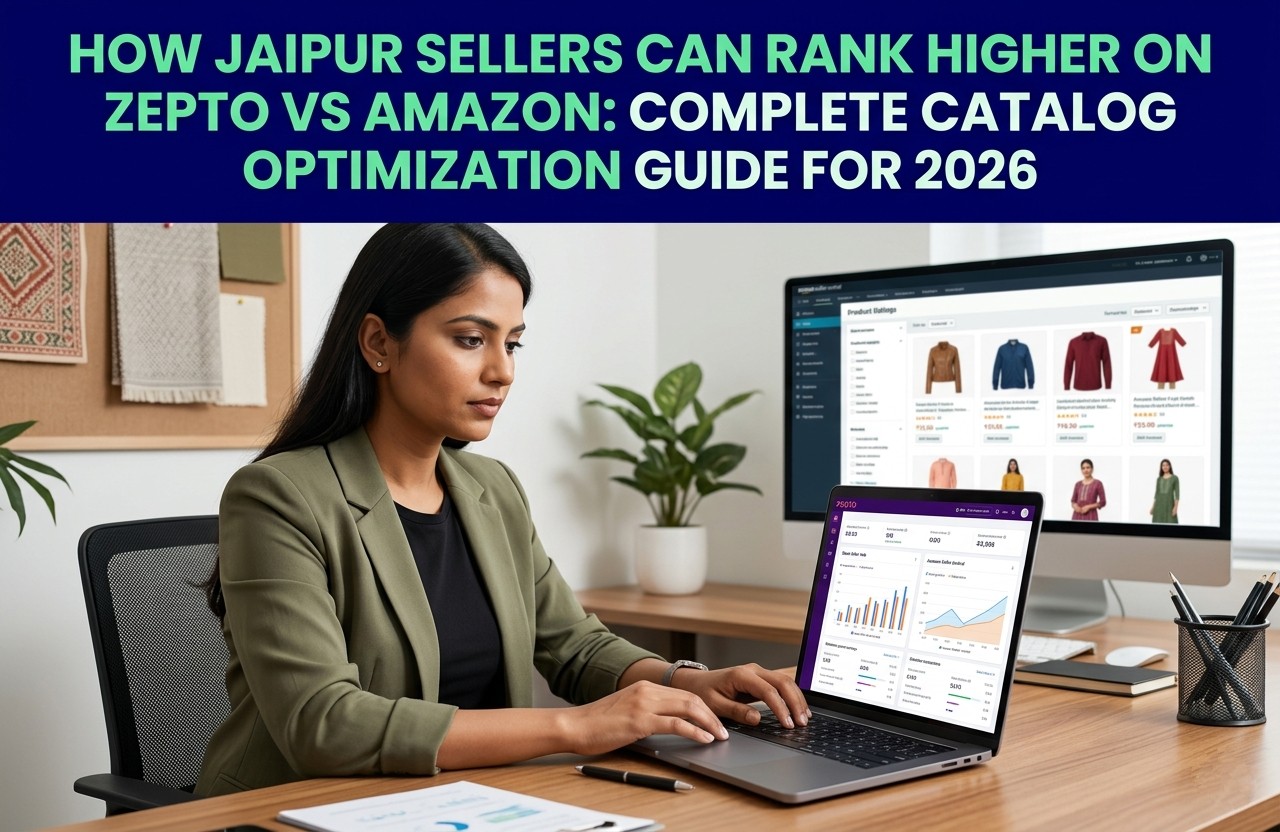
How Jaipur Sellers Can Rank Higher on Zepto vs Amazon: Complete Catalog Optimization Guide for 2026


Jaipur sellers are no longer limited to just one marketplace. With quick commerce platforms like Zepto growing rapidly and Amazon still dominating traditional ecommerce, the real advantage goes to sellers who understand how each ranking algorithm works and how to optimize their catalogs differently for both.

This guide breaks down how the Zepto vs Amazon ranking algorithm impacts visibility, what product listing elements matter most in 2026, and how Jaipur-based brands can build a practical catalog optimization strategy that wins on both platforms at the same time.

Understanding Zepto vs Amazon Ranking Algorithm In 2026

To rank higher, you first need clarity on how the Zepto vs Amazon ranking algorithm actually decides which products appear at the top. While both platforms aim to show the most relevant and high-converting products, the signals they prioritize are not identical, especially with quick commerce evolving so fast.

Amazon’s algorithm is deeply driven by historical sales, reviews, and keyword relevance, while Zepto’s quick commerce product ranking leans more on hyperlocal availability, speed of delivery, and real-time demand. Jaipur sellers who treat both platforms the same usually end up underperforming on one of them.

Key Amazon Product Ranking Factors 2026 Jaipur Sellers Must Master

Amazon SEO optimization services India have evolved around the A10 and later updates, but the fundamentals remain consistent. The Amazon product ranking factors 2026 still revolve around relevance, performance, and customer experience, with increasing weight on conversion and ad performance.

For Jaipur sellers, this means your ecommerce product listing optimization must go beyond basic keywords. You need a structured approach that aligns titles, bullets, images, pricing, and reviews with how the Amazon ranking algorithm evaluates product quality and buyer intent.

Core On-Page Elements For Amazon SEO Optimization

On-page optimization is where most Jaipur sellers either win big or lose visibility. The Zepto vs Amazon ranking algorithm both rely on textual relevance, but Amazon is far more sensitive to structured keyword placement and completeness of product information.

Focus on these on-page elements for Amazon listing optimization in 2026:

  • Product title with primary and secondary keywords placed naturally
  • Five bullet points covering benefits, use cases, and differentiators
  • Search-optimized product description with semantic family keywords
  • Backend search terms aligned with long-tail queries from India

Conversion Signals And Customer Experience Metrics

Even with perfect keywords, the Amazon product ranking factors 2026 heavily reward listings that convert better than competitors. The algorithm tracks click-through rate, add-to-cart rate, and purchase rate to decide which products deserve top positions.

Customer experience metrics also matter. High ratings, detailed reviews, low return rates, and quick response to buyer queries signal trust. Marketplace SEO services Jaipur often focus on improving these signals through better packaging, accurate descriptions, and proactive customer support.

How Zepto Seller Optimization Strategy Differs From Amazon

Quick commerce platforms operate on a different logic compared to traditional marketplaces. The Zepto vs Amazon ranking algorithm comparison shows that Zepto cares more about real-time inventory, local demand, and delivery promise than long-term historical data alone.

For Jaipur sellers, this means your Zepto seller optimization strategy must be built around operational excellence as much as content optimization. If your product is frequently out of stock or delivery times are inconsistent, your ranking will suffer even if your listing looks perfect.

Quick Commerce Product Ranking Signals On Zepto

Zepto’s quick commerce product ranking focuses on what customers nearby can actually receive quickly and reliably. The algorithm favors products that are in stock, priced competitively, and backed by a strong fulfillment record in that specific locality.

Important Zepto ranking signals include:

  • Real-time stock availability at the nearest dark store or partner location
  • Average delivery time and on-time delivery percentage
  • Local demand patterns and repeat purchase behavior
  • Product images and titles that drive quick decisions on mobile

Zepto Ads Optimization For Local Visibility

Paid visibility is becoming essential on quick commerce platforms. Zepto ads optimization allows Jaipur sellers to appear in sponsored slots for high-intent searches, but the algorithm still blends organic and paid signals to protect user experience.

To make Zepto ads work, you need tightly targeted campaigns around top-selling SKUs, optimized creatives for mobile, and constant monitoring of cost per order. When done correctly, strong ad performance can reinforce your organic quick commerce product ranking over time.

Building A Unified Catalog Optimization Strategy For Both Platforms

Instead of treating each marketplace separately, advanced sellers in Jaipur are building a unified ecommerce product listing optimization framework that adapts to both the Zepto vs Amazon ranking algorithm. The core product data remains consistent, while front-end elements are customized per platform.

This approach saves time, maintains brand consistency, and allows you to test what works on one marketplace and adapt it to another. It also supports better analytics, since you can compare performance across Zepto and Amazon using similar KPIs.

Structuring Product Data For Multi-Marketplace SEO

A strong data foundation is essential. Start by creating a master catalog with standardized attributes such as titles, descriptions, ingredients or specifications, benefits, and usage instructions. This master data then feeds customized versions for each marketplace.

For Amazon, you emphasize keyword-rich titles and detailed bullets. For Zepto, you focus on short, punchy titles, high-impact images, and clear pack sizes. The Zepto vs Amazon ranking algorithm both reward clarity, but the presentation style must match user behavior on each platform.

Pricing, Promotions, And Inventory Coordination

Ranking is not only about content. Both Amazon product ranking factors 2026 and Zepto quick commerce signals are influenced by pricing competitiveness, discount strategies, and stock reliability. Jaipur sellers need a coordinated approach to avoid conflicts and stockouts.

Use centralized inventory planning so that fast-moving SKUs on Zepto do not run out while Amazon ads are live, and vice versa. Align promotions with peak demand periods in India, such as festivals and regional events, while tracking how each change impacts the Zepto vs Amazon ranking algorithm outcomes.

When To Use Marketplace SEO Services Jaipur And Specialist Agencies

As competition grows, many Jaipur brands are turning to marketplace SEO services Jaipur and Amazon listing optimization agency partners to manage complexity. This is especially useful when you are scaling across categories or entering new cities beyond Jaipur.

Specialist teams bring structured processes, access to advanced tools, and experience with Amazon SEO optimization services India and quick commerce platforms simultaneously. They can audit your current listings, map gaps against the latest Amazon product ranking factors 2026, and design a Zepto seller optimization strategy tailored to your operations.

What A Professional Ecommerce Consulting Jaipur Partner Should Deliver

Not all agencies deliver the same depth of marketplace expertise. When you evaluate ecommerce consulting Jaipur partners, look for a clear methodology that covers research, implementation, and performance tracking across both Amazon and Zepto.

A capable partner should offer keyword research aligned with Zepto vs Amazon ranking algorithm behavior, listing rewrites, image guidelines, ad campaign setup, and ongoing optimization. They should also provide transparent reporting that connects ranking improvements to actual revenue growth.

Conclusion: Turning Ranking Insights Into Scalable Growth

Winning on both Zepto and Amazon in 2026 is less about guessing the algorithm and more about aligning your catalog, operations, and advertising with how each platform serves its customers. Jaipur sellers who invest in structured ecommerce product listing optimization, consistent inventory planning, and data-driven experimentation will steadily climb the rankings.

If you are ready to turn marketplace complexity into a competitive advantage and want expert support on Zepto vs Amazon ranking algorithm strategy, partnering with HRL Infotechs can help you move from scattered listings to a scalable, revenue-focused marketplace growth engine.

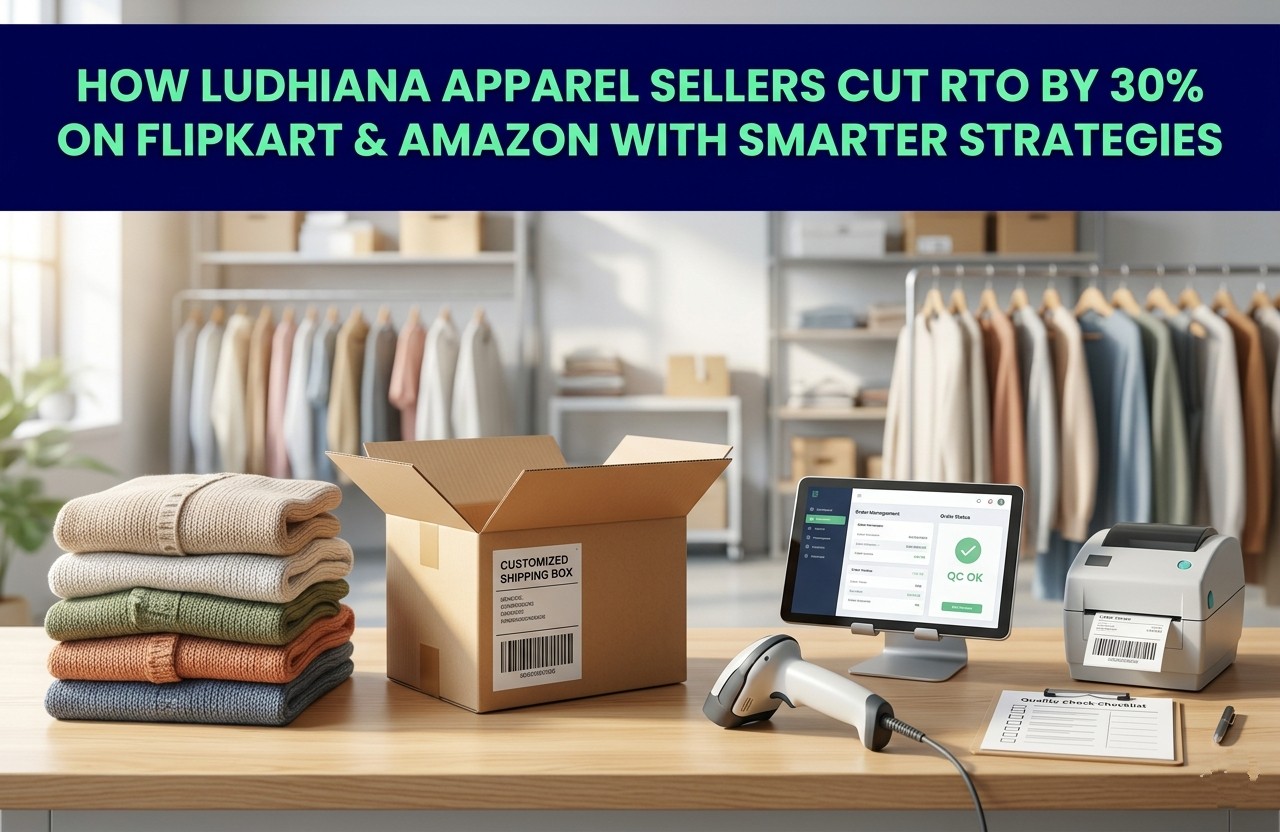
How Ludhiana Apparel Sellers Cut RTO by 30% on Flipkart & Amazon with Smarter Strategies


Ludhiana’s apparel sellers live in one of the most competitive ecommerce environments in India. Margins are tight, customer expectations are high, and one metric quietly eats profits every single day: Return to Origin (RTO). When RTO spikes on Flipkart and Amazon, it does not just hurt revenue, it also damages seller ratings and visibility.

The good news is that RTO is not random. With the right data-backed approach, it can be controlled and significantly reduced. By using smarter catalog, logistics, and marketplace strategies, many Ludhiana apparel sellers have been able to reduce RTO in ecommerce by 25–30% and protect their cash flow while scaling.

Why High RTO Happens In Ecommerce For Apparel Sellers

Before you can reduce RTO in ecommerce, you need to understand why it happens so frequently, especially in fashion and apparel. Most Ludhiana sellers see high RTO on COD orders, size-sensitive products, and listings where expectations do not match reality. These patterns are consistent across Flipkart and Amazon India.

Common reasons for high RTO in ecommerce India include wrong or incomplete addresses, customers not answering calls, size or fit issues, poor product photos, misleading titles, and delayed deliveries. Each of these can be fixed with structured ecommerce return rate reduction strategies that are tailored to marketplace rules.

Key RTO Triggers Specific To Flipkart And Amazon India

On Flipkart, RTO often spikes when listings are not aligned with platform guidelines or when sellers ignore Flipkart account management services recommendations. Incorrect category mapping, weak product attributes, and non-optimized titles can attract the wrong audience, which leads to cancellations and returns.

On Amazon India, RTO is heavily influenced by search visibility and expectation management. If Amazon SEO & Product Listing Optimization is weak, products may show up for irrelevant queries. Customers order based on partial information, and when the product arrives, they cancel or return, driving up RTO and hurting listing health.

Impact Of High RTO On Profitability And Growth

High RTO does not just mean a lost order. Sellers pay for packaging, shipping, manpower, and sometimes return logistics, all without earning a rupee. For Ludhiana apparel brands, even a 5–10% increase in RTO can wipe out monthly profits, especially on low-margin SKUs.

Additionally, Flipkart and Amazon algorithms track cancellations, returns, and delivery attempts. High RTO can reduce Buy Box chances, limit visibility in search, and even trigger penalties. That is why serious sellers treat reduce RTO in ecommerce as a core business strategy, not just an operational issue.

How To Reduce RTO On Flipkart With Smarter Listing & Operations

Flipkart buyers are highly price-sensitive, but they also respond well to clear, accurate information. To reduce RTO in ecommerce on Flipkart, Ludhiana apparel sellers need to optimize listings, strengthen order confirmation processes, and refine logistics choices. This is where structured flipkart account management services can make a measurable difference.

Start by auditing your top 50 SKUs with the highest RTO. Check titles, images, bullet points, size charts, and reviews. Often, a few targeted changes in flipkart product listing & SEO Optimization can reduce confusion, set correct expectations, and cut returns without heavy discounts.

Flipkart Product Listing & SEO Optimization Best Practices

Effective flipkart product listing & SEO Optimization focuses on clarity, relevance, and search intent. Use precise product titles with fabric type, fit, gender, and use case. For example, instead of a generic “Men’s Shirt”, use a detailed title that matches how buyers search and reduces ambiguity.

Include high-quality images from multiple angles, close-ups of fabric, and real model shots where possible. Add accurate size charts and highlight key benefits in bullet points. These steps reduce RTO in ecommerce by ensuring buyers know exactly what they are ordering, which is critical in apparel categories.

Operational Tactics To Reduce COD Returns On Flipkart

COD orders are a major driver of RTO. To address how to reduce COD returns in India on Flipkart, many successful sellers use a simple but effective confirmation workflow. They verify high-value or risky COD orders via automated calls or WhatsApp before dispatching.

Additional tactics include limiting COD for pin codes with historically high RTO, using reliable courier partners for those regions, and offering small prepaid discounts. Over time, these operational tweaks help reduce RTO in ecommerce India and stabilize cash flow for apparel sellers.

How To Reduce Returns On Amazon India With Data-Led Optimization

Amazon India is heavily algorithm-driven, so the way you structure your catalog and content directly affects both sales and RTO. To reduce RTO in ecommerce on Amazon, you must align your listings with buyer intent and continuously monitor return reasons from the Voice of Customer dashboard.

When sellers invest in Amazon marketing Services and strong Amazon SEO & Product Listing Optimization, they attract more qualified traffic. That means fewer impulse purchases from the wrong audience and fewer returns due to mismatch between expectations and the delivered product.

Using Amazon SEO & Product Listing Optimization To Cut RTO

Start with keyword research focused on apparel-specific queries in India. Integrate primary and secondary keywords naturally into titles, bullet points, and descriptions. This helps reduce RTO in ecommerce by ensuring your products appear for the right searches, not just high-volume generic terms.

Next, refine your A+ content and images to answer common pre-purchase questions: fabric feel, stretch, transparency, fit, and wash care. When customers understand these details before buying, they are less likely to return items. This is one of the most reliable ecommerce return rate reduction strategies for fashion.

Leveraging Amazon Marketing Services Without Increasing RTO

Many sellers worry that scaling ads through Amazon marketing Services will increase RTO. That only happens when campaigns are poorly targeted. Instead, focus on high-intent keywords, remarketing to past buyers, and promoting bestsellers with historically low RTO and strong reviews.

Monitor search term reports and return reasons together. If a campaign drives traffic that converts but returns spike, refine your targeting or improve listing clarity. This integrated view helps reduce RTO in ecommerce while still growing overall order volume.

Practical Ecommerce Return Rate Reduction Strategies For Apparel

Beyond marketplace-specific tactics, there are universal strategies that help reduce RTO in ecommerce India across both Flipkart and Amazon. Apparel sellers in Ludhiana who apply these consistently see a compounding effect over a few months, with RTO dropping and repeat purchase rates rising.

These strategies focus on pre-purchase clarity, post-purchase communication, and smart policy design. When combined, they directly address why high RTO happens in ecommerce and create a smoother experience for both buyers and operations teams.

Improve Size Accuracy And Product Expectations

Size and fit are the top reasons for returns in apparel. To reduce RTO in ecommerce, use detailed size charts with actual garment measurements, not just generic S, M, L labels. Add guidance like “If you are between sizes, choose one size up” based on real customer feedback.

Also, be transparent about fabric thickness, stretch, and fit type. If a shirt is slim fit or a kurti is slightly sheer, mention it clearly. This honesty may slightly reduce conversion in the short term but will significantly lower returns and build long-term trust.

Strengthen Communication And Delivery Experience

Another powerful way to reduce RTO in ecommerce India is to improve communication from order to delivery. Use automated SMS or WhatsApp updates to confirm orders, share tracking links, and remind customers about delivery attempts, especially for COD orders.

Additionally, work closely with courier partners to optimize delivery slots and reduce fake “customer not available” tags. When customers feel informed and prepared, they are more likely to accept deliveries and less likely to cancel at the doorstep.

How Ludhiana Apparel Sellers Achieved 30% RTO Reduction

Ludhiana apparel sellers who successfully reduced RTO in ecommerce by around 30% did not rely on a single trick. They implemented a structured roadmap that combined listing optimization, COD risk control, and marketplace-specific strategies for Flipkart and Amazon India.

Typically, the journey started with a detailed RTO audit: identifying high-risk SKUs, pin codes, courier partners, and order types. Then, they rolled out targeted changes in flipkart product listing & SEO Optimization, Amazon SEO & Product Listing Optimization, and operational workflows, measuring impact every 15–30 days.

Key Steps In Their RTO Reduction Playbook

Most winning playbooks included a few common steps that any serious apparel seller can replicate. These steps are practical, measurable, and aligned with how to reduce RTO on Flipkart and how to reduce returns on Amazon India without hurting growth.

  • Audit top RTO SKUs and pin codes across both marketplaces
  • Fix titles, images, and size charts for clarity and accuracy
  • Introduce COD confirmation flows for risky orders
  • Limit COD in historically high-RTO regions
  • Align ad campaigns with low-RTO, high-review products
  • Track RTO weekly and refine strategies continuously

Conclusion: Turn RTO Control Into A Competitive Advantage

For Ludhiana apparel sellers, learning how to reduce RTO on Flipkart and how to reduce returns on Amazon India is not optional anymore. It is a core part of building a profitable, scalable ecommerce business. When you reduce RTO in ecommerce, every rupee spent on ads, packaging, and logistics starts working harder for you.

If you want expert support in implementing these marketplace-focused strategies, from flipkart account management services to Amazon marketing Services and advanced listing optimization, partnering with a specialized ecommerce growth team like HRL Infotechs can help you move from reactive firefighting to predictable, data-driven growth.

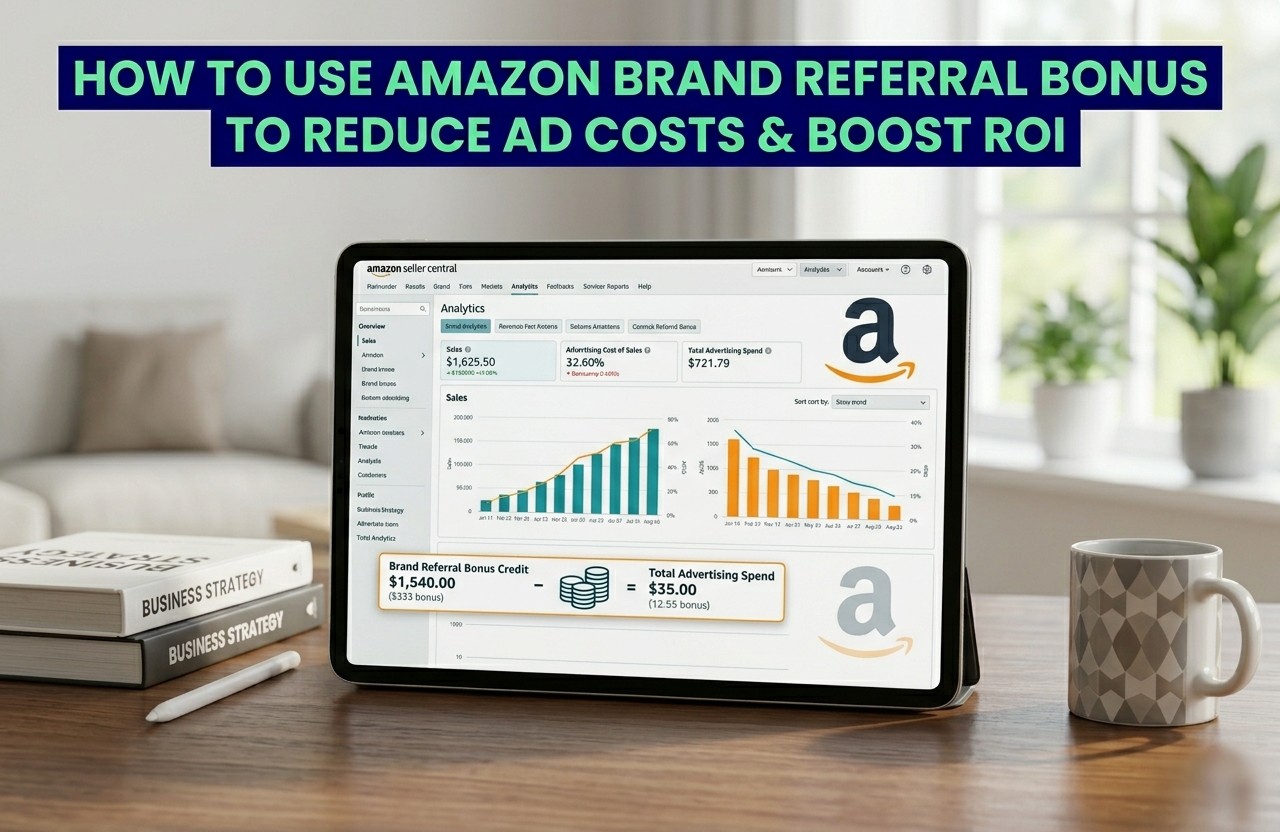
How to Use Amazon Brand Referral Bonus to Reduce Ad Costs & Boost ROI


Amazon has quietly created one of the most powerful ways to lower your ad spend while growing sales: the Amazon Brand Referral Bonus. When used strategically, this program can turn your external traffic into a profit engine, helping you reduce ACOS, improve margins, and scale your ecommerce advertising strategy more confidently.

If you are a brand owner selling in India or globally, understanding how the Amazon Brand Referral Bonus works is no longer optional. It is a key part of any modern amazon external traffic strategy and a smart way to improve your overall amazon advertising ROI strategies without simply increasing bids or budgets.

What Is the Amazon Brand Referral Bonus and Why It Matters

The Amazon Brand Referral Bonus is a program that rewards brand-registered sellers for driving high-quality external traffic to their Amazon listings. When a customer lands on your product page through approved external sources and makes a purchase, Amazon gives you a bonus in the form of a referral fee credit.

Instead of paying the full referral fee on that order, you receive a percentage back, effectively lowering your cost of selling. This directly supports your amazon PPC cost reduction strategy, because every bonus you earn improves your net margin and helps offset your advertising and marketing costs.

How the Bonus Impacts Your Profitability

Most categories on Amazon charge referral fees between 8% and 15%. With the Amazon Brand Referral Bonus, you can earn back a portion of that fee, often in the range of a few percentage points, depending on the category. Over hundreds or thousands of orders, this becomes a meaningful profit lever.

When you combine the bonus with a well-planned amazon attribution strategy, you can track which external campaigns are generating the most profitable sales. This allows you to shift budget toward the highest-return channels and reduce wasted spend on underperforming traffic sources.

Eligibility and Basic Requirements

To use the Amazon Brand Referral Bonus, you must be enrolled in Amazon Brand Registry and set up Amazon Attribution. Only traffic tracked through Amazon Attribution-eligible links qualifies for the bonus, so link structure and campaign setup are critical.

Once you meet the eligibility criteria, you can start tagging your external campaigns, including social media ads, Google Ads, influencer links, email campaigns, and content marketing placements. Every qualifying purchase from these tagged links contributes to your bonus earnings.

Using Amazon Brand Referral Bonus to Reduce Ad Costs

Many sellers focus only on in-market Amazon PPC when thinking about how to reduce Amazon ad cost. However, the Amazon Brand Referral Bonus opens a new angle: using external traffic to subsidize your overall advertising spend and reduce blended ACOS across channels.

Instead of simply cutting bids or pausing campaigns, you can strategically reallocate part of your budget to external sources that qualify for the bonus. This can help you reduce ACOS Amazon ads while maintaining or even increasing your total sales volume.

Blended ACOS and True ROI Calculation

To see the real impact of the Amazon Brand Referral Bonus, you should calculate blended ACOS, which includes both Amazon PPC and external ad spend. When the bonus credits are applied, your effective cost per sale decreases, improving your true return on ad spend.

For example, if your external campaign drives a sale with a 20% ad cost, but you earn a referral bonus that effectively reduces Amazon fees by a few percentage points, your net ACOS is lower than it appears at first glance. This is where smart amazon advertising ROI strategies stand out from basic bid management.

Reinvesting Bonus Credits into Growth

Another way to use the Amazon Brand Referral Bonus to reduce ad costs is to treat the bonus as a reinvestment pool. Instead of absorbing it as pure profit, many advanced brands allocate a portion of the credits back into their best-performing campaigns.

This approach helps you scale campaigns that already show strong conversion rates and healthy margins. Over time, this cycle of reinvestment can support an aggressive yet sustainable amazon PPC cost reduction strategy, because your growth is funded partly by Amazon’s own incentive program.

Building a High-Impact Amazon External Traffic Strategy

To fully leverage the Amazon Brand Referral Bonus, you need a structured amazon external traffic strategy, not just random links from social media or blogs. The most successful brands treat external traffic like a performance channel with clear goals, tracking, and optimization.

Start by defining which products you want to promote externally. Focus on listings with strong reviews, competitive pricing, and optimized content. Sending traffic to weak listings will waste budget and reduce the effectiveness of your ecommerce advertising strategy.

Best External Channels to Test

Different brands will find success on different platforms, but some common high-performing channels for the Amazon Brand Referral Bonus include paid social ads, Google Shopping and search ads, influencer collaborations, and email marketing to existing customers.

Each of these channels can be tracked using Amazon Attribution links, ensuring that your traffic qualifies for the bonus. By comparing performance across channels, you can refine your amazon attribution strategy and double down on the most profitable sources of external traffic.

Optimizing Landing Experience on Amazon

Driving traffic is only half the battle. To truly reduce ACOS Amazon ads and improve ROI, your product pages must convert at a high rate. This means investing in high-quality images, clear titles, compelling bullet points, and persuasive A+ Content.

When external visitors land on a well-optimized listing, they are more likely to purchase on the first visit. This not only increases your Amazon Brand Referral Bonus earnings but also improves your overall amazon advertising ROI strategies by raising conversion rates across all traffic sources.

Advanced Amazon Attribution Strategy for Better Decisions

Amazon Attribution is the backbone of the Amazon Brand Referral Bonus. Without accurate tracking, you cannot see which campaigns are driving bonus-eligible sales or how your external efforts influence organic rankings and internal PPC performance.

An advanced amazon attribution strategy goes beyond basic link tagging. It involves structuring campaigns by audience, creative, and placement so you can identify exactly which elements are driving profitable growth and which need to be cut or reworked.

Key Metrics to Monitor

When analyzing your attribution data, focus on metrics such as click-through rate, detail page view rate, add-to-cart rate, and purchase rate. These indicators show where users drop off and where you can improve your funnel.

Additionally, track how external traffic impacts your organic keyword rankings and internal PPC performance over time. Often, a strong external push can lift organic visibility, which indirectly supports your amazon PPC cost reduction strategy by lowering dependency on paid clicks.

Aligning External and Internal Campaigns

To maximize the impact of the Amazon Brand Referral Bonus, align your external campaigns with your internal Amazon PPC strategy. Promote the same hero products and key keywords across both environments to create a unified growth engine.

This alignment helps you avoid fragmented efforts and ensures that every click, whether from external ads or Amazon search, contributes to a cohesive ecommerce advertising strategy. The result is a more predictable and scalable path to reducing ACOS and increasing overall profitability.

When to Use Campaign Management and Marketing Services

As your catalog and campaigns grow, managing Amazon PPC, external traffic, and attribution can become complex. Many brands reach a point where partnering with specialized amazon campaign management services or amazon marketing services becomes a logical next step.

These partners can help design and execute a holistic amazon PPC cost reduction strategy that integrates the Amazon Brand Referral Bonus, attribution insights, and marketplace best practices. This support is especially valuable for brands that want to increase Amazon ROI without ads becoming a constant manual burden.

What to Expect from a Strategic Partner

A capable partner should not only optimize bids and keywords but also guide your amazon external traffic strategy, set up Amazon Attribution correctly, and continuously test new channels. Their role is to turn data into decisions that protect your margins while driving growth.

With the right guidance, you can move from reactive campaign tweaks to a proactive ecommerce advertising strategy built around long-term profitability, efficient ACOS, and consistent use of the Amazon Brand Referral Bonus.

Conclusion: Turning the Amazon Brand Referral Bonus into a Growth Engine

Used correctly, the Amazon Brand Referral Bonus is far more than a small fee rebate. It is a strategic tool that helps you reduce Amazon ad cost, improve blended ACOS, and build a resilient external traffic ecosystem that supports long-term marketplace success.

By combining disciplined attribution, optimized product pages, and a structured external traffic plan, you can transform this program into a competitive advantage and, when needed, collaborate with experts like HRL Infotechs to scale your results with confidence.

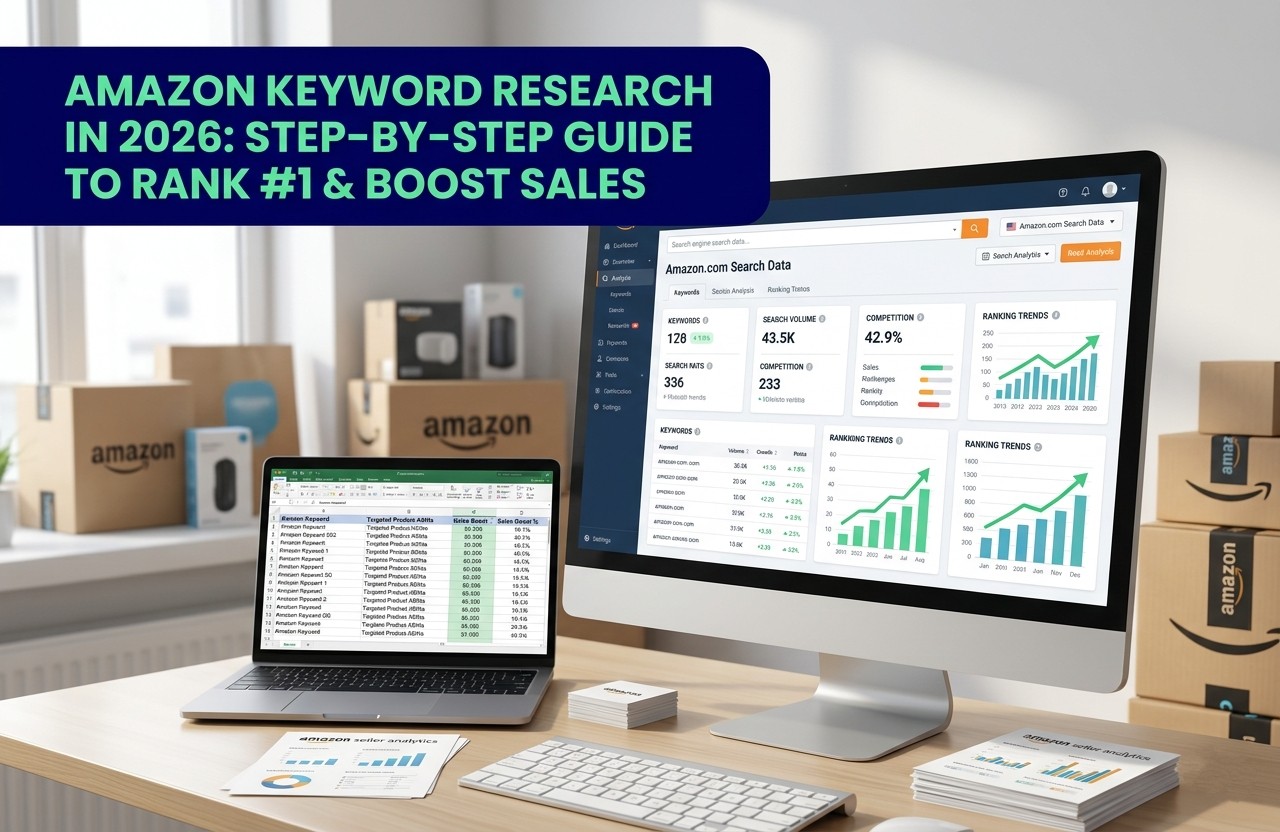
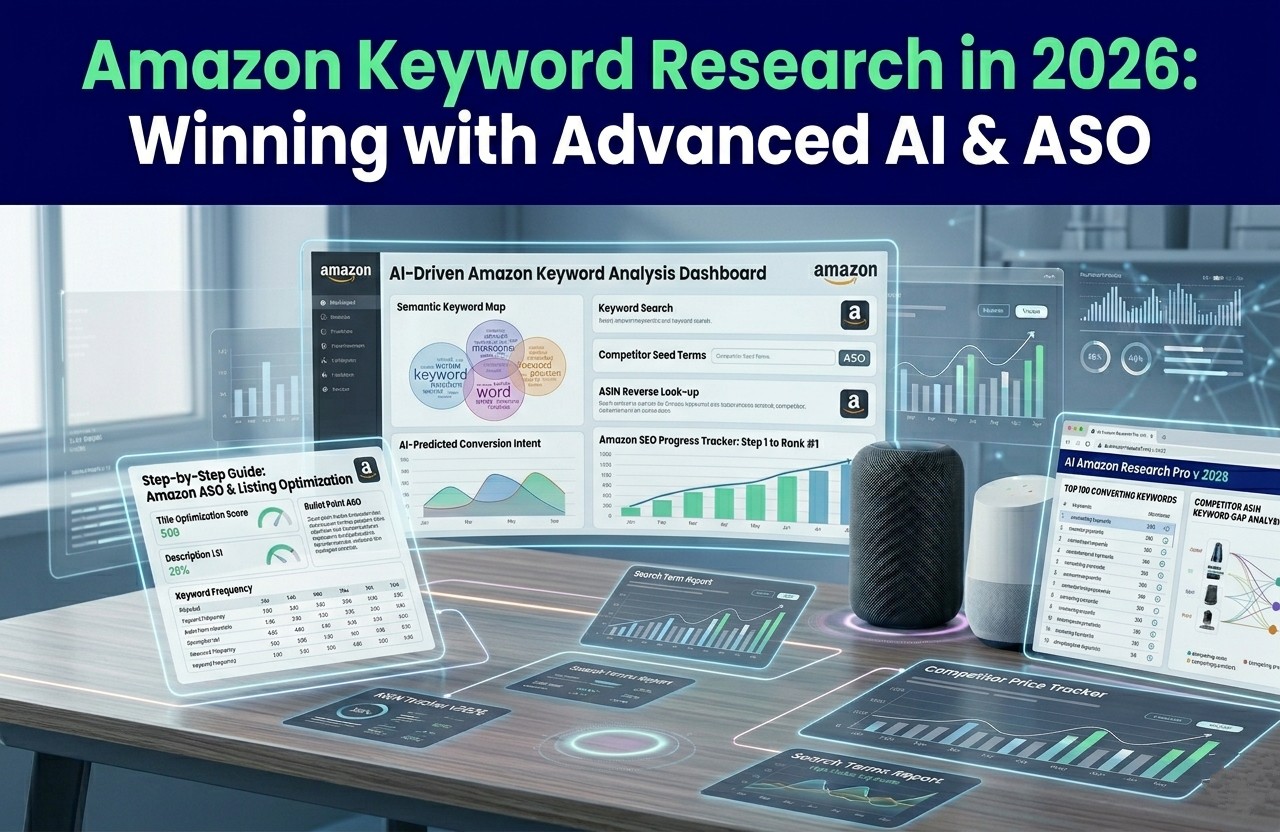
Amazon Keyword Research in 2026: Step-by-Step Guide to Rank #1 & Boost Sales


Winning on Amazon in 2026 is no longer about guessing a few popular search terms and hoping for the best. The marketplace is more competitive, the Amazon search algorithm is smarter, and shoppers are more specific with what they type into the search bar. Strategic Amazon Keywords Research is now the foundation of ranking higher and consistently driving profitable sales.

When you understand exactly how your customers search, you can build listings that match their intent, align with Amazon search algorithm updates, and convert more clicks into orders. This step-by-step Amazon keyword research guide will walk you through a practical, data-backed process tailored for sellers who want to rank #1 and scale their brand in 2026.

Why Amazon Keywords Research Matters More In 2026

Amazon has evolved from a simple product catalog into a powerful search engine with its own rules. In 2026, Amazon keyword research is not just about traffic; it is about finding buyer-intent keywords that lead to real revenue. Sellers who ignore this are left fighting for scraps on generic, low-converting terms.

The latest Amazon search algorithm updates focus heavily on relevance, shopper behavior, and listing quality. This means your Amazon keyword research 2026 strategy must connect the right keywords with compelling content, accurate product details, and strong conversion signals. Done well, it improves organic rankings, ad performance, and overall brand visibility.

Understanding Search Intent Behind Amazon Keywords

Before diving into tools, it is essential to understand why shoppers use certain phrases. Effective Amazon Keywords Research starts with mapping search intent so you can prioritize terms that lead to purchases, not just clicks. This is especially important for competitive categories in the Indian market.

On Amazon, search intent usually falls into a few clear buckets. When you know which bucket a keyword belongs to, you can decide where to place it in your listing and how aggressively to target it with ads or promotions.

Types of Buyer Intent on Amazon

Most high-value terms in Amazon keyword research 2026 can be grouped into three main types. First are discovery keywords, where shoppers are exploring options, such as “best wireless earphones” or “top kitchen mixer”. These are great for visibility but may not convert as strongly as more specific phrases.

Next are comparison and branded keywords, where users already know what they want to compare. Finally, there are purchase-intent keywords like “buy mixer grinder 750W” or “waterproof trekking shoes men”. Your Amazon keyword research guide should prioritize these high-intent phrases in titles, bullets, and ads.

Short-Tail vs Long-Tail Keywords

Short-tail keywords are broad terms like “headphones” or “bedsheet”. They have high search volume but also high competition and mixed intent. Relying only on these in Amazon Keywords Research can drain ad budgets and limit organic ranking potential.

Long-tail keywords, such as “noise cancelling headphones under 3000” or “cotton double bedsheet for summer”, may have lower volume but far higher conversion rates. In 2026, a balanced approach that blends broad and long-tail terms is critical for sustainable growth.

Step-by-Step Process: How To Do Amazon Keyword Research

A structured process helps you avoid random guesswork and build a repeatable system. The following step-by-step framework aligns with how top sellers and Amazon marketing teams approach Amazon keyword research 2026 for serious growth.

Use this as a checklist every time you launch a new product or optimize an existing listing. Over time, you will build a strong keyword asset library that compounds your ranking and Amazon advertising advantages.

Step 1: Start With Real Customer Language

Begin your Amazon Keywords Research by collecting phrases directly from the marketplace. Type your main product term into the Amazon search bar and note the autocomplete suggestions. These are real searches from real shoppers and are extremely valuable.

Next, review top-ranking competitor listings. Look at their titles, bullet points, descriptions, and customer questions. This manual research gives you a strong base list of how buyers describe features, problems, and benefits in your niche.

Step 2: Use Amazon Keyword Research Tools 2026

Once you have a seed list, expand it using reliable Amazon keyword research tools 2026. Modern tools can show estimated search volume, competition level, and related phrases you may never think of manually. This is where your research becomes data-driven instead of guess-based.

Look for tools that provide filters for geography, especially if you are targeting India, and that highlight long-tail, high-converting terms. Combine tool data with your manual insights to build a master keyword sheet grouped by intent and relevance.

Step 3: Prioritize Keywords By Relevance And Revenue Potential

Not every keyword deserves a top spot in your listing. Effective Amazon Keywords Research means ranking your terms by how closely they match your product and how likely they are to drive sales. Overstuffing unrelated keywords can hurt both rankings and conversions.

Create three groups: primary, secondary, and supporting keywords. Primary keywords are highly relevant, high-intent terms that belong in your title and main bullets. Secondary keywords support these in bullets and descriptions. Supporting keywords can be placed in backend search terms and content where they fit naturally.

Implementing Keywords In Your Amazon Listing

Once your Amazon keyword research guide is complete, implementation becomes the next critical step. The goal is to signal strong relevance to Amazon’s algorithm while keeping the listing readable and persuasive for human shoppers.

Focus on strategic placement rather than repetition. Amazon Keywords Research is only effective when the right phrases appear in the right sections of your listing, aligned with clear benefits and accurate product details.

Optimizing Titles, Bullets, And Descriptions

Your product title is the most powerful on-page element for Amazon keyword research 2026. Include your main primary keyword near the beginning, followed by key attributes like size, material, color, and core benefit. Keep it clear, scannable, and compliant with category guidelines.

Use bullet points to integrate secondary keywords while highlighting benefits, not just features. In the description or A+ Content, weave supporting keywords into natural, informative copy that answers common objections and builds trust with Indian shoppers.

Using Backend Search Terms Wisely

Backend search terms are often underused in Amazon Keywords Research. This hidden field allows you to include relevant phrases that may not fit naturally in your visible copy, such as common misspellings, regional variations, or alternate product names.

Avoid repeating keywords already used in your title and bullets. Instead, focus on additional long-tail phrases, Hindi or regional language variations where appropriate, and synonyms that your audience might use while searching.

Aligning Keyword Strategy With Amazon Search Algorithm Updates

Amazon search algorithm updates in 2026 continue to reward listings that balance relevance, performance, and customer satisfaction. That means your Amazon Keywords Research must be part of a broader optimization strategy, not an isolated task.

Keywords help you get discovered, but sales history, click-through rate, conversion rate, and reviews help you stay ranked. Regularly revisiting your keyword list and aligning it with performance data is essential for long-term success.

Ongoing Optimization And Performance Tracking

After implementing your keywords, monitor performance using Amazon reports and your chosen tools. Track which search terms drive clicks and conversions, and which ones attract traffic but fail to convert. This feedback loop is vital for refining your Amazon keyword research 2026 approach.

Update your listing every few months based on new data, seasonal trends, and competitor movements. Remove underperforming phrases, add emerging long-tail terms, and keep your content aligned with shopper behavior and algorithm shifts.

Turning Strong Keyword Research Into Higher Sales

Effective Amazon Keywords Research does more than improve rankings; it shapes your entire growth strategy. When you know what your audience is searching for, you can design better products, create more relevant ads, and build content that resonates across every touchpoint.

For sellers in India aiming to dominate their category in 2026, a disciplined approach to Amazon keyword research, combined with smart listing optimization and ongoing testing, is a powerful competitive edge. If you want expert support in building and executing a winning strategy, partnering with a specialized Amazon marketing agency like HRL Infotechs can accelerate your results and help you scale with confidence.

How to Run Ads on Zepto in 2026: Complete Guide for D2C & FMCG Brands


Quick commerce has changed how Indian shoppers discover and buy groceries, snacks, and daily essentials. For D2C and FMCG brands, Zepto is no longer just a delivery app; it is a powerful performance marketing channel where the right zepto ads strategy can drive visibility, trials, and repeat purchases at scale.

If you are planning how to run ads on Zepto in 2026, you need more than a basic overview. You need a practical zepto advertising guide that covers campaign structure, targeting, budgets, and optimization specifically for Indian consumers and retail realities. This complete guide will walk you through everything from seller onboarding to advanced zepto campaign management.

Understanding Zepto Ads Strategy For D2C & FMCG Brands

Before launching campaigns, it is important to understand how a strong zepto ads strategy fits into your broader quick commerce advertising services mix. Zepto is a high-intent platform where users are already in buying mode, which means your ads can influence decisions right at the digital shelf.

Most top-performing brands treat Zepto as a hybrid of marketplace and retail media. Your zepto ads guide 2026 should focus on three pillars: discoverability, share of shelf, and conversion. When these are aligned with your pricing, inventory, and promotions, your media spends start translating into measurable revenue.

Setting Up For Success: Zepto Seller Onboarding & Readiness

Before you think about creative or bids, you must ensure your presence as a seller is strong. Zepto seller onboarding services and zepto account management services are often the foundation for sustainable performance, especially for brands with large catalogs or multiple SKUs.

During onboarding, pay attention to product titles, images, and taxonomy. A winning zepto ads strategy will fail if your listings are incomplete, wrongly categorized, or out of stock. Treat your catalog setup as the first step of your zepto advertising guide, not a back-end task to be rushed.

Catalog Hygiene And Content Optimization

Clean, optimized product data is critical for both organic and paid visibility. When planning how to run ads on Zepto, start by auditing your catalog for naming consistency, pack size clarity, and keyword relevance that matches how Indian shoppers search.

Use clear product titles, high-resolution pack shots, and concise descriptions that highlight benefits such as health, taste, convenience, or value. This approach supports your zepto ads for sellers by improving click-through rates and reducing wasted impressions on irrelevant queries.

Inventory, Pricing, And Availability Alignment

Quick commerce shoppers expect instant fulfillment. If your ads drive traffic to items that are frequently out of stock or overpriced compared to competitors, your zepto ads strategy will underperform. Align inventory planning with campaign calendars and promotional pushes.

Coordinate with your supply and sales teams to ensure priority SKUs have stable stock and competitive pricing. This alignment is especially important for zepto ads for FMCG brands, where competition is intense and shoppers often compare similar items within seconds.

Core Zepto Advertising Formats And Placements

Understanding available formats is central to any zepto advertising guide. While specific names and layouts may evolve by 2026, the core logic of placements remains similar: visibility at search, category, and product levels, plus occasional homepage or banner opportunities.

Each format serves a different role in your zepto ads strategy. Some are better for awareness and share of shelf, while others are designed for bottom-funnel conversion. The right mix depends on your brand maturity, category, and seasonal priorities.

Search And Category Sponsored Listings

Search and category placements are usually the backbone of how to run ads on Zepto effectively. These ads appear when users search for generic terms like “atta” or “chips” or browse within a category such as dairy, beverages, or personal care.

For D2C and FMCG brands, prioritize high-intent keywords and categories where you have strong product-market fit. Use your zepto campaign management data to identify which terms drive the best balance of volume, cost per acquisition, and repeat purchase.

Product Detail Page And Cross-Sell Placements

Product detail page placements help you intercept shoppers who are considering competitor SKUs. These are powerful for brand switching, new launches, and premiumization strategies within your zepto ads strategy.

Cross-sell and recommendation slots are also valuable for basket building. For example, pairing sauces with snacks or beverages with ready-to-eat meals. Use these placements to increase average order value while staying relevant to the shopper’s mission.

Building A High-Performance Zepto Ads Strategy In 2026

Once your foundations are ready, you can design a structured zepto ads strategy that aligns with your business goals. In 2026, data-driven planning and continuous optimization will separate average performers from category leaders on Zepto.

Think of your plan as a living zepto advertising guide that evolves every quarter. As competition grows and consumer behavior shifts, you will need to revisit targeting, budgets, and creative regularly to maintain your edge in quick commerce advertising services.

Defining Objectives, Budgets, And Targeting

Start by defining clear objectives: are you focused on new user acquisition, market share in a specific pin code, or driving trials for a new variant. Your goals will influence how to run ads on Zepto and how aggressively you bid on priority placements.

Allocate budgets by category, city, and product line, then refine based on performance data. Use geo-level insights to prioritize high-potential neighborhoods and store clusters. This structured approach supports scalable zepto ads for sellers across multiple regions.

Creative Strategy And Offer Design

Even in a performance-driven environment, creative matters. Pack visibility, offer clarity, and messaging all impact click-through and conversion. Your zepto advertising guide should include clear rules for using discounts, combo packs, and limited-time offers.

Test different hooks such as “family value packs”, “low sugar”, or “ready in 2 minutes” depending on your category. For FMCG and D2C brands, small creative tweaks can significantly improve results without increasing media spends.

Ongoing Zepto Campaign Management And Optimization

Launching campaigns is only the beginning. Effective zepto campaign management requires weekly and monthly reviews, especially in a dynamic market like India where demand patterns change with festivals, weather, and local events.

Use performance dashboards to track impressions, clicks, conversion rates, and return on ad spend. Over time, this data becomes the backbone of your evolving zepto ads strategy and helps you justify higher investments in winning segments.

Key Metrics And Optimization Levers

Focus on a few core metrics: cost per acquisition, share of voice on priority keywords, and contribution to overall category sales. These indicators show whether your zepto ads for FMCG brands are genuinely moving the needle or just adding noise.

Optimization levers include bid adjustments, negative keyword refinement, creative refresh, and assortment changes. For example, you might shift spends from low-margin SKUs to higher-value packs once you see stable repeat purchase behavior.

When To Consider A Zepto Advertising Agency Partner

As your scale grows, managing everything in-house can become complex. This is where specialized zepto advertising agency partners or zepto marketing services India providers can add value with deeper platform expertise and dedicated resources.

Look for partners who understand both performance marketing and modern trade dynamics. They should help with zepto account management services, campaign planning, reporting, and experimentation so your internal teams can focus on brand and product strategy.

Future-Proofing Your Zepto Ads Strategy For 2026 And Beyond

Quick commerce will continue to evolve, with new formats, data capabilities, and competition. A resilient zepto ads strategy in 2026 will be flexible, insight-led, and closely integrated with your broader ecommerce and offline retail plans.

Invest in building internal knowledge, documenting learnings, and running structured experiments. Over time, your own data will become the most valuable part of your zepto advertising guide, helping you make smarter decisions than competitors who rely only on generic best practices.

Conclusion: Turning Zepto Into A Growth Engine

Zepto offers D2C and FMCG brands a rare combination of high intent, rich shopper data, and rapid experimentation. With the right zepto ads strategy, strong catalog foundations, disciplined zepto campaign management, and smart use of quick commerce advertising services, you can turn the platform into a consistent growth engine.

If you are ready to scale your presence and want expert support on how to run ads on Zepto effectively across India, partnering with a specialist like HRL Infotechs can help you move faster, reduce waste, and unlock the full potential of quick commerce for your brand.

Ecommerce Trends 2026: What Smart Brands Are Doing to Win on Amazon & AI Search


Ecommerce in 2026 will not look like the ecommerce you know today. AI-driven search, new buyer expectations, and Amazon’s evolving ecosystem are reshaping how brands attract, convert, and retain customers. Smart teams are already adapting their ecommerce growth strategies to stay ahead of the curve.

If you sell on Amazon or run a D2C brand, understanding the key Ecommerce Trends 2026 is no longer optional. It is the difference between being visible in AI search results and disappearing behind competitors who know how to optimize, experiment, and scale with data.

Why Ecommerce Trends 2026 Matter For Every Brand

The brands winning online in 2026 will be those that read the signals early and act decisively. Ecommerce Trends 2026 are not just buzzwords; they reflect real shifts in how customers search, compare, and buy across Amazon and other digital channels. Ignoring these shifts can quietly erode your margins and market share.

At the same time, these trends open powerful opportunities. When you align your ecommerce growth strategies with how platforms like Amazon and AI search tools rank and recommend products, you can lower acquisition costs, improve conversion rates, and build a more resilient revenue engine.

AI Search And The Impact Of Amazon Rufus

One of the most important Ecommerce Trends 2026 is the rise of conversational and AI-driven search. Amazon Rufus AI search impact is already visible in how shoppers discover products using natural language queries instead of short, keyword-only searches. This changes how brands must structure and optimize their product content.

Instead of focusing only on exact-match keywords, brands need richer, more descriptive content that answers real questions. When your listings mirror how people speak and search, Amazon’s AI can better understand your products and surface them for more relevant, high-intent queries.

How Brands Are Winning On Amazon With AI-Led Discovery

Understanding how brands are winning on Amazon in 2026 starts with embracing AI search behavior. High-performing sellers are building detailed product pages that clearly explain benefits, use cases, and differentiators, not just features. This helps Amazon Rufus and other AI systems match products to nuanced shopper needs.

These brands also monitor search term reports and customer questions to refine their copy. By aligning language with real customer phrases, they improve relevance signals and increase the chances of appearing in AI-powered recommendation carousels and voice search results.

Structuring Content For AI Search Relevance

To ride the wave of Ecommerce Trends 2026, your product pages should be structured for both humans and algorithms. That means clear titles, scannable bullet points, and detailed descriptions that naturally include focus terms like Ecommerce Trends 2026 and related phrases without sounding forced.

Brands that succeed here usually follow a simple framework: lead with the main benefit, support with specific features, and close with proof such as reviews or certifications. This structure helps AI models understand context while giving shoppers the clarity they need to make confident decisions.

Optimizing Amazon Listings For 2026: What Actually Works

With competition intensifying, you cannot rely on basic listing setups anymore. To truly optimize your Amazon listings with experts or internal specialists, you need a data-backed approach that aligns with the latest Ecommerce Trends 2026 and Amazon’s evolving ranking factors.

Winning brands treat each listing as a high-converting landing page. They test different angles, visuals, and messaging to see what resonates best with their target audience, especially in India where regional preferences, price sensitivity, and trust signals can vary significantly.

Essential Elements Of High-Converting Amazon Listings

Top-performing sellers focus on a few critical building blocks. First, titles are crafted to be clear, benefit-led, and keyword-rich without becoming unreadable. Second, bullet points highlight real-life outcomes, not just technical specs, so shoppers can quickly see why the product fits their needs.

Third, images and A+ Content are used to tell a story. Lifestyle photos, comparison charts, and FAQs reduce friction and objections. When combined with strong reviews and social proof, these elements align with Ecommerce Trends 2026 by building trust and improving conversion rates in a crowded marketplace.

Using Data To Continuously Improve Listings

Another pattern among brands winning on Amazon is relentless optimization. They track click-through rates, conversion rates, and keyword rankings to identify which elements of a listing need refinement. This data-first mindset is central to modern ecommerce growth strategies.

Instead of guessing, they run structured tests on titles, main images, and pricing. Over time, these incremental gains compound, helping them stay ahead even as Amazon Rufus AI search impact and algorithm updates shift the competitive landscape.

Amazon PPC Strategy 2026: Smarter Spend, Higher Returns

Paid visibility is still essential, but the best ecommerce strategies for D2C brands in 2026 treat Amazon PPC as a precision tool, not a blunt instrument. With rising ad costs, brands must design an Amazon PPC strategy 2026 that balances aggressive growth with sustainable profitability.

Instead of chasing every keyword, leading advertisers prioritize intent and relevance. They invest more in terms that align with Ecommerce Trends 2026, such as long-tail, conversational queries that signal clear purchase intent and often deliver better return on ad spend.

Key Components Of A Modern Amazon PPC Strategy

Successful campaigns typically combine automatic and manual targeting. Automatic campaigns help uncover new search terms, while manual campaigns focus budget on proven performers. This structure allows brands to adapt quickly as shopper behavior and AI search patterns evolve.

They also segment campaigns by product lifecycle, separating launches from mature products. New items may require higher bids and broader targeting, while established winners can be optimized for efficiency. This layered approach aligns with broader ecommerce growth strategies that prioritize both scale and margin.

Best Ecommerce Strategies For D2C Brands In 2026

D2C brands in India face a unique mix of opportunity and complexity. On one side, digital adoption and online spending keep rising. On the other, competition from global and local players is intense. The best ecommerce strategies for D2C brands in 2026 recognize that marketplaces and owned channels must work together.

Rather than treating Amazon as a rival to their own website, leading brands use it as a powerful acquisition engine. They leverage the trust and reach of Amazon while building deeper relationships through email, communities, and loyalty programs on their own platforms.

Blending Marketplaces, D2C Sites, And AI Search

One of the defining Ecommerce Trends 2026 is the convergence of channels. Shoppers might discover a product through AI search, compare it on Amazon, and finally purchase from a brand’s D2C site. To capture this journey, your messaging, pricing, and positioning must stay consistent across touchpoints.

Brands that manage this well use unified analytics to understand where customers first interact and where they finally convert. This helps them allocate budgets more intelligently and refine both marketplace strategies and on-site experiences for maximum lifetime value.

Building Resilient Ecommerce Growth Strategies For The Future

Looking ahead, the most resilient ecommerce growth strategies will be those that combine strong fundamentals with adaptability. Clear positioning, compelling offers, and reliable fulfillment remain non-negotiable. What changes is how you surface these strengths in an environment dominated by AI search and evolving customer expectations.

To stay aligned with Ecommerce Trends 2026, brands should invest in better product data, richer content, and continuous experimentation. When you treat every listing, campaign, and landing page as a living asset that can be improved, you create a system that keeps learning and compounding results over time.

Conclusion: Turning Ecommerce Trends 2026 Into Competitive Advantage

Ecommerce Trends 2026 are already reshaping how products are discovered, evaluated, and purchased on Amazon and across AI-driven search experiences. Brands that respond early by upgrading their content, refining their Amazon PPC strategy 2026, and aligning D2C and marketplace efforts will gain a durable edge in visibility and profitability.

If you are ready to translate these trends into practical action, from optimizing your Amazon listings with experts to designing smarter campaigns for the Indian market, partnering with HRL Infotechs can help you move faster, reduce guesswork, and build an ecommerce engine designed for the next wave of digital growth.