Amazon Listing Not Visible? Top Reasons Your Active Product Isn’t Ranking


If your Amazon listing is not showing up in search results, it can feel like your product is invisible to shoppers. You know the listing is active in Seller Central, yet traffic and sales are flat because customers simply cannot find it. The good news is that this problem is usually fixable once you understand what is going wrong.

This guide explains the most common reasons an Amazon listing is not visible and what you can do to get your product ranking again. By the end, you will know how to diagnose visibility issues, improve Amazon product listing optimization and SEO, and protect your catalog from future suppression or de-indexing.

Understanding Why Your Amazon Listing Is Not Showing Up

When sellers ask “why is my Amazon listing not showing up,” they are usually facing one of three core issues: suppression, de-indexing, or poor organic ranking. Each scenario affects visibility differently, but all result in fewer impressions and almost no sales.

Suppressed or de-indexed listings often disappear even when you search by full product title or ASIN. Poorly ranked listings still exist in the catalog but are buried so deep in results that shoppers never scroll far enough to see them. Identifying which situation you are dealing with is the first step to fixing an amazon listing not visible problem.

Key Reasons Your Amazon Listing Is Not Visible In Search Results

There are several technical and performance-related reasons an amazon listing not showing up issue can occur. Some are related to Amazon’s compliance rules, while others are tied to listing quality, account health, or advertising strategy.

Recognizing these patterns will help you quickly narrow down the reasons an Amazon listing not ranking properly. Once you know the root cause, you can apply targeted fixes instead of guessing and wasting time on random changes.

Suppressed Listings And Policy Violations

One of the most common causes of an amazon listing not visible in search results is suppression due to policy violations. Amazon automatically suppresses listings that break image guidelines, miss critical attributes, or contain restricted content in titles, bullets, or descriptions.

In Seller Central, you can usually see a suppressed status along with specific error codes. Issues like missing main images, low-resolution photos, incorrect product categories, or non-compliant keywords often trigger suppression. Until these are fixed, your listing will remain hidden from most customer searches.

Incomplete Or Poorly Optimized Product Data

Even if your listing is technically active, weak product data can still cause an amazon product not ranking problem. Amazon’s algorithm relies heavily on structured attributes, backend keywords, and clear titles to understand what your product is and when to show it.

If your title is vague, bullet points are thin, or important attributes like size, color, material, and intended use are missing, the system may not index your listing for relevant search terms. This leads to an amazon listing not visible situation for many high-intent keywords your buyers are actually using.

Inventory, Pricing, And Buy Box Issues

Stockouts, suppressed offers, and uncompetitive pricing can also make it feel like your amazon listing not showing up. When inventory hits zero or your offer loses the Buy Box for long periods, impressions and conversions drop sharply.

In some categories, Amazon reduces visibility for listings with chronic stock issues or extreme price fluctuations. If your price is far above market, the algorithm may prioritize other offers, which again looks like an amazon listing not visible seller central problem from your perspective.

How Amazon Product Listing Optimization And SEO Impact Rankings

Beyond technical issues, Amazon Product listing optimization and SEO play a major role in whether your product appears on page one or disappears into later pages. The algorithm evaluates relevance and performance together, so both keyword strategy and conversion metrics matter.

When your listing is not optimized around the right search terms, Amazon has fewer signals to match it with buyer intent. At the same time, weak images, poor copy, and low review volume hurt click-through and conversion rates, which further reinforce an amazon product not ranking pattern.

Keyword Research And Indexing For Better Visibility

To fix an amazon listing not visible issue, you need a structured keyword strategy. That starts with researching how real shoppers search, including long-tail phrases like “why is my amazon listing not showing up” for troubleshooting content and high-intent product keywords for your niche.

Place primary keywords in the title, bullets, and description while using secondary terms in backend search terms. Avoid keyword stuffing that looks unnatural, but ensure your focus keyword amazon listing not showing up and related phrases appear enough to signal strong relevance.

Improving Content Quality To Boost Conversions

Once indexing is in place, focus on improving content quality so your listing converts better when it does appear. High-quality images, clear benefit-driven bullets, and a persuasive description all help turn impressions into sales, which in turn supports higher rankings.

Think about the questions your target audience in India is asking before purchase. Address common objections, highlight local use cases, and make your copy easy to scan on mobile. This approach not only helps with amazon product listing optimization and SEO but also builds trust and credibility.

How To Fix Amazon Suppressed Listing And Restore Visibility

If you confirm that your amazon listing not visible problem is due to suppression, you need a clear recovery process. Rushing changes without understanding the exact violation can lead to repeated flags and longer downtime.

Start by checking the “Manage Inventory” and “Listing Quality” or “Fix Your Products” sections in Seller Central. Amazon usually lists specific reasons and recommended actions, which you should follow precisely to fix amazon suppressed listing issues.

Step-By-Step Actions To Resolve Suppression

To systematically address a suppressed listing, follow a checklist rather than making random edits. This helps you resolve the immediate problem and prevent similar issues across your catalog.

Typical steps include updating image dimensions and backgrounds, correcting titles that include promotional phrases, filling mandatory attributes, and removing restricted keywords. After saving changes, monitor the listing status and search visibility over the next 24 to 48 hours.

  • Review suppression alerts and error codes in Seller Central
  • Update non-compliant images, titles, and attributes
  • Remove restricted or misleading keywords
  • Resubmit and monitor listing status and indexing

Strengthening Amazon Seller Account Management For Long-Term Ranking

Fixing one amazon listing not showing up is important, but long-term success depends on strong Amazon Seller Account Management. Account health, policy compliance, and operational performance all influence how Amazon views your brand and products.

Consistent late shipments, order defect rates, and policy warnings can indirectly affect visibility across multiple listings. By tightening operations and monitoring account health dashboards, you reduce the risk of sudden amazon listing not visible seller central surprises.

Ongoing Monitoring And Optimization Practices

To keep your amazon listing not visible issues from returning, build a routine of monitoring and optimization. Treat your catalog like a living asset that needs regular attention, not a one-time setup task.

Schedule periodic audits to check indexing, keyword rankings, content quality, and compliance. Use reports to track which ASINs are losing visibility, then refresh copy, update images, and adjust pricing or advertising where needed to protect your rankings.

  • Track keyword rankings and search term reports regularly
  • Audit content for accuracy, compliance, and clarity
  • Monitor inventory, pricing, and Buy Box share
  • Review account health metrics and policy notifications

When To Partner With An Amazon Marketing Agency In India

As your catalog grows, diagnosing every amazon listing not visible in search results can become complex and time-consuming. Many brands in India eventually seek expert help to manage SEO, advertising, and compliance at scale.

An experienced Amazon Marketing Agency in India can support you with advanced keyword research, listing optimization, A/B testing, and strategic advertising. This partnership is especially valuable when you are launching multiple ASINs, entering new categories, or recovering from repeated amazon product not ranking issues.

Conclusion: Turn Visibility Problems Into Growth Opportunities

An amazon listing not showing up is more than a technical glitch; it is a signal that something in your data, compliance, or optimization strategy needs attention. By understanding suppression, indexing, and ranking factors, you can systematically restore visibility and protect your revenue.

If you want expert support to diagnose complex issues, optimize your catalog, and build a scalable Amazon growth strategy in India, the team at HRL Infotechs can help you turn hidden listings into consistent top performers.

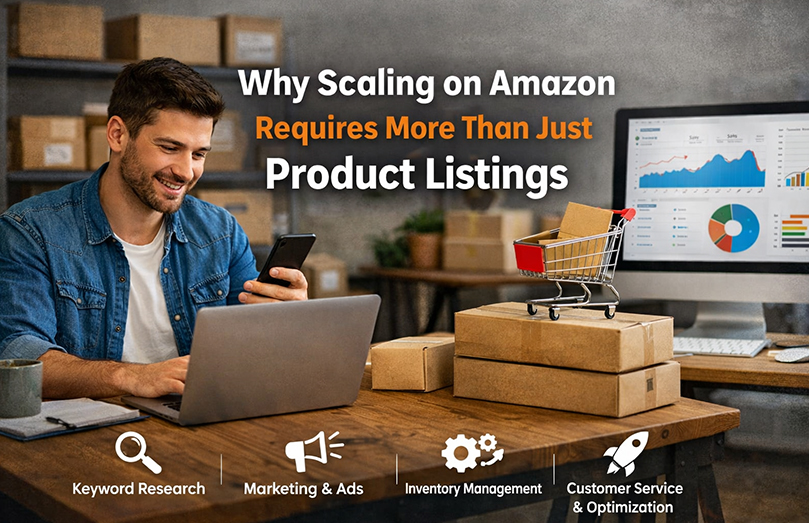
Why Scaling on Amazon Requires More Than Just Product Listings


Scaling on Amazon is no longer about uploading a few product listings and waiting for sales. Competition is intense, ad costs are rising, and customers have endless options. To achieve sustainable Amazon account growth, sellers need a strategic, data-driven approach that looks at every part of the business, not just the catalog.

Today, successful brands treat Amazon like a full ecosystem. That means aligning product, pricing, inventory, advertising, and customer experience under a clear Amazon business growth strategy. When these elements work together, sellers can unlock consistent revenue, stronger margins, and long-term brand equity on the marketplace.

Why Product Listings Alone Don’t Drive Amazon Account Growth

Many sellers assume that optimized titles, bullet points, and images are enough to drive Amazon account growth. While listings are essential, they are only one piece of a much larger growth engine. Without the right strategy behind them, even the best listings struggle to rank, convert, and scale profitably.

Amazon’s algorithm rewards more than keywords. It looks at sales velocity, stock health, pricing competitiveness, ad performance, and customer satisfaction. If any of these are weak, your visibility and sales suffer, no matter how polished your product pages appear.

The Limits of Listing-Only Optimization

Listing optimization improves click-through and conversion, but it cannot fix structural issues. If your Amazon inventory management strategy is weak, you risk stockouts or overstock, both of which hurt rankings and cash flow. Listings cannot compensate for poor availability or slow fulfillment.

Similarly, if your pricing or reviews are not competitive, shoppers will scroll past your offers. A strong Amazon seller growth strategy must address these operational and commercial levers, not just on-page content. This is where many sellers hit a ceiling in their Amazon account growth.

How the Algorithm Rewards Holistic Performance

Amazon’s A9 algorithm favors products that sell consistently, stay in stock, and delight customers. That means your Amazon business growth strategy must focus on improving conversion, maintaining inventory, and driving repeat sales. The algorithm connects these signals to determine which products deserve top placement.

When your ads, pricing, reviews, and inventory all align, your listings gain momentum. Over time, this synergy builds organic ranking power, which is the foundation of sustainable Amazon account growth. The goal is to create a flywheel where every sale improves your future visibility.

Building a Strategic Foundation for Amazon Account Growth

To scale effectively, you need a clear roadmap for how to scale on Amazon. This starts with understanding your category, competitors, and customer behavior. Without this foundation, it is easy to waste budget on the wrong products, keywords, or audiences.

A robust Amazon seller growth strategy defines which SKUs to prioritize, how to position them, and what success looks like. It also sets measurable goals for revenue, profitability, and market share. With this clarity, every decision supports long-term Amazon account growth instead of short-term spikes.

Defining Your Growth Levers and KPIs

Not all products contribute equally to Amazon account growth. Identify your hero products, high-margin items, and seasonal winners. Then, assign specific KPIs such as target ACOS, conversion rate, and inventory turns to track performance. This helps you focus resources where they matter most.

In addition, map your customer journey on Amazon. Understand which keywords drive discovery, which pages convert, and where shoppers drop off. This insight shapes your Amazon business growth strategy and helps you prioritize optimization efforts that move the needle.

Aligning Catalog, Pricing, and Positioning

Strategic catalog management is central to how to scale on Amazon. You may need to rationalize underperforming SKUs, bundle products, or introduce variations to capture more search demand. Each decision should support your broader Amazon account growth goals.

Pricing and positioning also play a critical role. You must balance competitiveness with profitability, especially as fees and ad costs rise. Clear positioning, supported by strong content and reviews, allows you to command better prices while still driving volume.

Amazon Inventory Management Strategy as a Growth Engine

Inventory is often the hidden driver of Amazon account growth. Stockouts kill momentum, while excess stock ties up capital and increases storage fees. A smart Amazon inventory management strategy keeps products available without overcommitting resources.

Effective planning requires accurate demand forecasting, seasonality analysis, and close monitoring of lead times. When you consistently stay in stock on your best sellers, your rankings stabilize and your advertising becomes more efficient.

Balancing FBA, FBM, and 3PL Options

Choosing the right fulfillment mix is a key part of how to scale on Amazon. FBA offers Prime eligibility and strong conversion, but it comes with storage and handling fees. FBM or third-party logistics can provide flexibility for bulky or slower-moving items.

Your Amazon inventory management strategy should segment products by velocity, size, and margin. This allows you to assign the most cost-effective fulfillment method while maintaining service levels. The result is healthier cash flow and more predictable Amazon account growth.

Designing a Profitable Amazon Ads Strategy

Advertising is now central to how to grow sales on Amazon. However, simply increasing ad spend does not guarantee profitable Amazon account growth. You need a structured Amazon ads strategy that aligns with your goals and margins.

Start by segmenting campaigns by product type, match type, and intent. This gives you better control over bids and budgets. Over time, you can shift investment toward the highest-converting keywords and placements, improving both sales and efficiency.

Balancing Organic and Paid Visibility

A mature Amazon seller growth strategy treats ads as a catalyst for organic ranking, not a permanent crutch. Use Sponsored Products, Sponsored Brands, and Sponsored Display to accelerate sales on key SKUs. As organic rankings improve, gradually rebalance spend to protect profitability.

Track how ad-driven sales impact your organic position for target keywords. This feedback loop helps refine your Amazon ads strategy and ensures that every dollar spent contributes to long-term Amazon account growth, not just short bursts of traffic.

When to Leverage Amazon Account Management and Consulting Services

As your catalog, ad spend, and operations expand, managing everything in-house becomes challenging. This is where Amazon account management services and Amazon seller consulting services can create real leverage. They bring specialized expertise, tools, and processes that most internal teams lack.

These partners can help refine your Amazon business growth strategy, optimize campaigns, and streamline operations. More importantly, they provide an outside perspective on risks and opportunities, helping you avoid costly mistakes and accelerate Amazon account growth.

Key Areas Where Expert Support Adds Value

Strategic partners can support you across multiple growth levers, including:

  • Comprehensive account audits and growth roadmaps
  • Advanced keyword research and listing optimization
  • End-to-end Amazon ads strategy and campaign management
  • Inventory planning and demand forecasting support
  • Brand protection, compliance, and policy guidance

With the right support, you can focus on product and brand development while experts manage the complexity of how to scale on Amazon. This collaboration often unlocks faster, more predictable Amazon account growth.

Conclusion: Turning Amazon into a Scalable Growth Channel

Scaling on Amazon requires more than attractive listings and occasional ad campaigns. Sustainable Amazon account growth comes from a coordinated strategy that connects catalog, pricing, inventory, advertising, and customer experience. When these elements align, Amazon becomes a powerful, predictable revenue engine rather than a volatile sales channel.

If you are ready to move beyond basic listing optimization and build a true Amazon seller growth strategy, partnering with experienced specialists like HRL Infotechs can help you turn Amazon into a scalable, long-term profit center for your brand.

How to Optimize Amazon Product Listings for Higher Conversions


Selling on Amazon might be one of the best decisions you ever make, in regards to your business, if you can make your product stand out. But with millions of small and big competitors available online, standing out in the marketplace requires more than just having a good product. To succeed and drive higher sales, properly optimizing your Amazon product listings is essential. If your listings are done right, your product can rank higher in search results, attract more buyers and ultimately increase your conversion rates by turning more visitors into buyers. 

In this blog, we’ll dive into effective strategies about how to optimize Amazon listings for sales, boost Amazon conversions and increase product visibility on Amazon, so that your product can get the recognition it deserves. 

Why Optimizing Amazon Listings is Crucial for Higher Conversions

Understanding why Amazon product listing optimization is critical for your success on the platform is necessary. Amazon is known for being the largest ecommerce marketplace with millions and billions of sellers and buyers. With this intense level of competition, being able to stand out is difficult if your listings are not properly optimized. 

Optimized product listings not only improve your ranking in the search results but also influence the customer’s decision to purchase your product. Factors like clear product descriptions, high-quality images, and relevant keywords help build customer trust. So, getting your Amazon listing SEO right is a crucial step in improving both visibility and conversions.

How to optimize Amazon listings for sales?

For proper optimization you need to follow proper Amazon SEO strategies for listings, which impact customer decisions about purchasing the product greatly. Some of the strategies that will help you drive more sales and traffic are given below:

Creating Compelling Product Titles

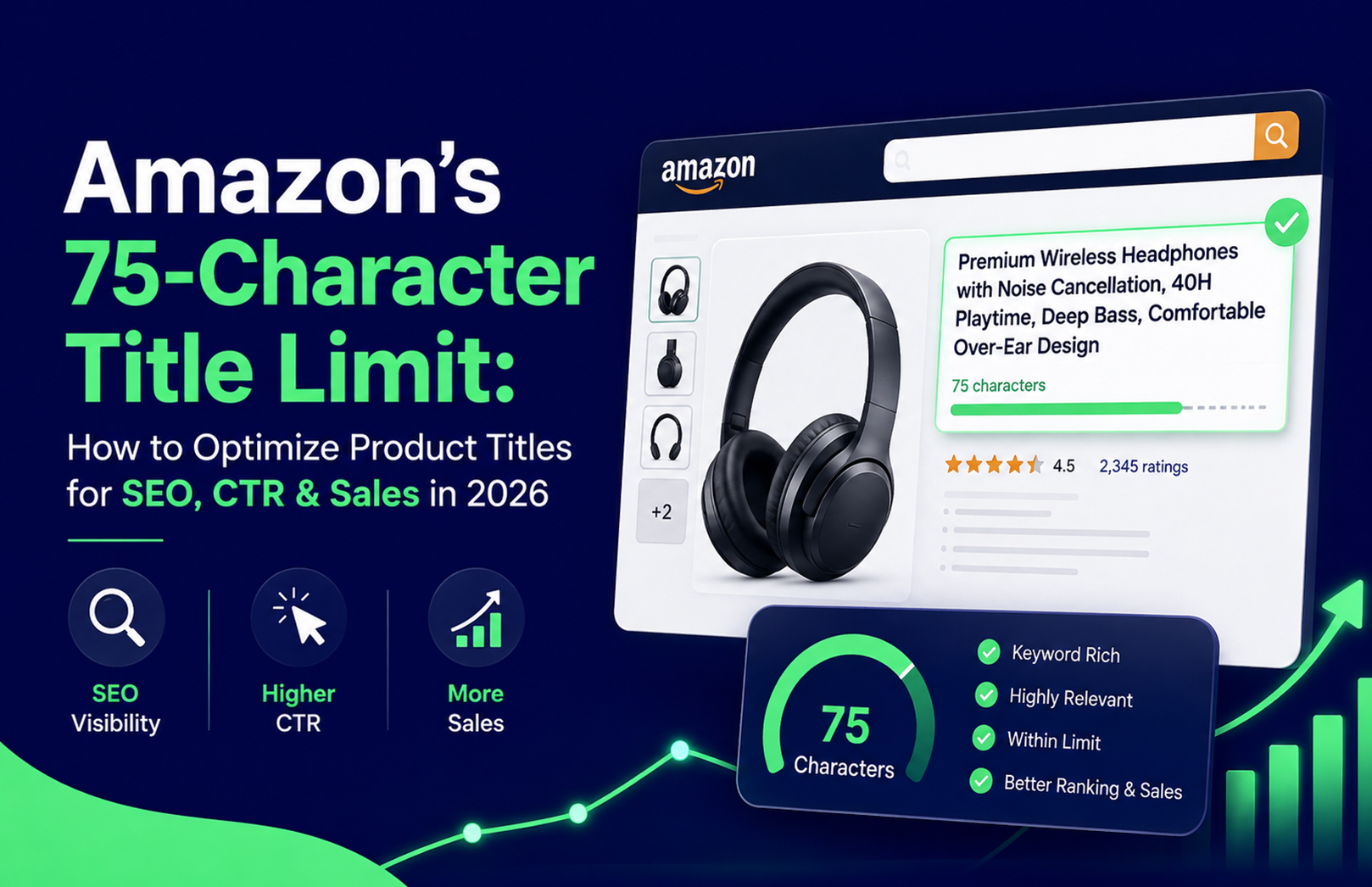
The product title is the first thing customers see when browsing Amazon. A well-crafted title can make all the difference in whether a potential customer clicks on your listing or passes it by. Your title should be optimized by:

Including Relevant Keywords – Use primary keywords that your target customers are likely to search for. This helps improve search visibility on Amazon.

Be Descriptive: Include key details about your product, such as the brand, product type, size, colour, material, and features.

Be Clear & Concise: Avoid unnecessary jargon. Amazon allows up to 200 characters, and it’s best to focus on clarity and relevant information.

Writing Engaging Product Descriptions

Your product description should be well-written, detailing all the features of your product clearly, so that customers know what to expect and are influenced towards purchasing the product. Some Amazon listing optimization tips are:

Highlight Key Features – Focus on answering the most asked questions. How will it make the customer’s life easier? What makes it different from other products?

Use Bullet Points for Readability: Amazon allows you to use bullet points, which makes it easier for shoppers to scan the most important features.

Include Keywords: Naturally incorporate secondary keywords into your description. This improves the product’s SEO and helps your listing rank higher.

Incorporate High-Quality Images

High-quality images and videos are essential for convincing customers to make a purchase. Great images give your potential customers a sense of the product’s size, features, and quality. To improve conversions, you should: 

Use High-Resolution Photos – Ensure your images are high-quality and show the product from different angles. Blurry images can discourage potential customers.

Show Product Usage – If applicable, include lifestyle images showing the product in use. This helps customers visualize how the product fits into their lives.

Follow Amazon’s Image Guidelines – Amazon has specific guidelines for product images; be sure to follow them for maximum compliance and visibility.

Encourage Positive Reviews

Product reviews impact customer decisions greatly when making a purchase. Positive reviews can build trust and boost conversions, while negative reviews can harm your brand’s reputation. To manage reviews, you should:

Encourage Feedback – Politely ask satisfied customers to leave reviews. This can be done through follow-up emails or packaging.

Respond to Negative Reviews – Address complaints professionally, offering solutions and ensuring the customer knows their concerns are taken seriously.

Maintain High Ratings – Consistently delivering excellent products and customer service will help maintain a high rating, which increases customer trust.

Price Competitively

Pricing is an important factor that determines whether your product is purchased or not. If you’re priced too high as compared to the competitors, your sales may suffer, but if priced too low, your quality may be questioned. 

Find a Balance – Check how similar products are priced and find an amount where your product is competitive but still reflects the quality you offer.

Use Discounts and Coupons – Offering time-sensitive deals, discounts, or coupons can encourage customers to make a purchase.

Use Dynamic Pricing – Adjust your prices in real-time based on market conditions, competitor pricing, or demand fluctuations, & remain competitively priced.

Final Thoughts – Good Product Listings for Good Sales

Optimized product titles for Amazon are essential for driving higher conversion rates and increasing sales. Handling everything from crafting compelling titles and engaging and informative descriptions to using high-quality images can feel overwhelming, but HRL Infotech helps you manage it all with effectiveness and efficiency.

Every aspect of optimized listings plays an important role in achieving high conversion rates. By applying the aforementioned Amazon SEO strategies, you can boost your rankings in search results, attract more traffic and ultimately convert the traffic into loyal customers by building their trust. 

Amazon Product Listing Services: A Guide Help You To Rank Higher


Around half of the more than 1,000 Amazon sellers are focusing on optimizing their product listings in 2022 because they understand the value of an excellent listing. Nevertheless, many people find such optimization problematic; regardless of whether they are seasoned sellers, 29% indicated they find developing an optimized amazon product listing services difficult. The best ecommerce marketing agency will uplift your online sales through amazon’s optimization standards.

Amazon Product Listing Optimization

So, to show you what existing Amazon products are doing well and where they may improve, we’re studying them to help sellers understand how to create the most fabulous listing possible. Applying amazon listing optimization services is the only key to boost your product’s ranking.

  • Create an Amazon Product Title that is Optimal

The keyword-rich product title is crucial since it precisely informs Amazon’s A9 algorithm what your product is and whether it matches your customers’ needs. In other words, relevance is everything. The ideal number of keywords and characters to use in a listing’s product title is a topic of ongoing discussion online. Still, Amazon permits up to 200 characters for the majority of categories. Consequently, we advise making the most of such space!

  • Create Amazon-Friendly Bullet Points

Focus on your bullet points or main product characteristics at the backend of your Amazon description page after writing an optimal headline. There can be up to five bullet points on Amazon. We advise using every inch because it gives you more room to put pertinent keywords and enticing information about your goods. The vendor copied and pasted the title onto the bullet point section in the first manufacturing example. It isn’t worthwhile because it does not give the customer additional product information.

  • Create an Optimized Product Descriptions for Amazon

The product description, located farther down the product detail page, gives you more room to elaborate on your offering. Given that you have 2,000 characters to use in the description, it is preferable to reaffirm the benefits and characteristics you listed in the bullet points in this area. Remember that when consumers shop on the Amazon mobile app, the product description will appear before the bullet points, so don’t omit this piece. Even now, adding language to the product description is crucial since it allows you to include pertinent keywords and provide clients with additional information about your business and product.

  • Writing Strong Amazon Product Listing Titles

Put your most important keywords first in the product title and speak succinctly about the significant features and benefits of the product. Include your product’s other uses or consumer niches in the product title. It increases the likelihood that customers will look for your product online. To locate appropriate keywords for your product, use Keyword Scout. You can do a reverse-ASIN lookup to discover the keywords your rivals use, or you can conduct a keyword search based on the type of products you’re offering.

  • Image Specifications

Amazon mandates that central product photos must be at least 1000 pixels on the longest side and 500 pixels on the shortest side to be zoomable, among other restrictions. Make sure the photographer you hire for your product shots creates high-quality images that adhere to Amazon’s standards.

  • Product Reviews Versus Seller Feedback

To be clear, seller feedback and product reviews serve separate functions. Most significantly, any unfavorable feedback that FBA sellers would get would probably be Amazon’s responsibility as they don’t pick, pack, or ship their products (unlike sellers who use product reviews). If the feedback is for something outside of our sellers’ control, we can create a ticket with Amazon to get it removed.control, we can create a ticket with Amazon to get it removed.

  • Category

A buyer looking to buy a product in the same category might not find you if your listing is too general. To make it easy for customers to find your product listings, put information about your products under the most specific category you can.

Tips for Excellent Amazon Product Listing

Enrich the Product’s Bullet Points

  1. Indicate the primary trait or advantage in the first sentence of the bullet.
  1. Continue with a more thorough justification.
  1. Write about the product’s primary feature and how it will benefit the buyer.
  1. Please describe how your product assists the customer in resolving their issue.
  1. Add crucial product details like number, sizing, colors, and materials.
  1. Create a persuasive copy to persuade potential customers that they require this product.
  1. Show not only claim that your product is of a higher caliber.

Use the Best Keywords to Boost your Listing’s Position

The cost and significance of the keywords for your Amazon product listing services are essential to scale your online searches. Regarding relevance, we want the phrases consumers use to search for our product type to match the keywords in our titles. We want to achieve relevant keyword ranks while keeping costs as low as feasible. As a result, we may create an indexable listing for the most popular keywords. That will be crucial when managing our pay-per-click (PPC) advertising campaigns.

Making the Best Product Image Selections for your Amazon Listing

Unlike your product title, which puts your item in front of potential buyers, and your bullet points, which support the sale of your product, your product photography—specifically, your main image—will entice those buyers to click through Amazon’s search results to your actual listing.

Get the best amazon product listing optimization services

Amazon Product Videos

Customers on Amazon adore it when a product listing includes a video. 90% of consumers say product videos help them choose, and listings with videos have better conversion rates since they allow customers to see how well your product works.

What Kinds of Product Videos can you Make?

You may generally design one of three different sorts of video themes to assist your product in reaching the correct audience and keeping them interested.

  • Product Highlighter Video: This uncluttered, uncomplicated video focuses solely on the product. Typically, these are 360-degree films with an essential white background and the product.Customers, fans, or critics frequently record videos of their consumer experiences. It delivers a realistic experience so that other buyers may better grasp the goods.
  • Items’ Overview Clip: This type of high-quality product demonstration film demonstrates the benefits of using the product. It also has an exciting narrative.

How Can a Product Video be Added to Amazon?

Adding a product video is simple, assuming you can use this option. 

Follow these detailed instructions:

Step 1: Open an account on Amazon Seller Central.

Step 2: Select A+ content manager under Advertising.

Step 3: Analyze the item’s SKU (Stock Keeping Unit).

Step 4: Select the appropriate ASIN and click the “Get started” button to add the video.

Step 5: Upload the video.

Step 6: Include the product video’s image, title, and description.

Step 7: Be careful to check the “adult audience” option if the uploaded video contains material that isn’t suitable for viewers under the age of 18.

Step 8: The addition of a product video is now complete.

For six hours, the video is absent from the product page. Once published, it is visible in the related videos beneath the product’s information section and the image block in the upper left pane.

Conclusion

Amazon is the biggest online retailer in the world for a reason. Three times as many people as Google use it to search for products worldwide! This site must have flawless algorithms to display the most incredible things after each search. The best Amazon product listing services for your online business to comply with the A9 algorithms is crucial to stand out among the millions of competitors.

Frequently Asked Questions

Q1 How much does Amazon listing services cost?

The minimal fee you must pay to list your goods or services on eCommerce platforms is known as the listing fee. The listing charge depends on the cost of the goods and the number of days you want to keep it on the website. The Individual plan costs $0.99 per item sold, whereas the Professional plan costs $39.99 per month, regardless of the number of units sold. The listing charge increases in proportion to the product’s price.

Q2 What are Amazon product listing services?

We at HRL Infotechs, an Amazon-approved catalog provider in the USA, are here to help you get a head start as a merchant on the most popular online shopping site in the world, Amazon. Our expert teams are knowledgeable about all the nuances of the AWS Service Catalog, and we can assist you with launching your products on the leading eCommerce platform. Administrators who want to take control of customer accounts are subject to a set of guidelines from Amazon.

Q3  How do Amazon listings work?

You must first list products on Amazon to begin selling on Amazon’s international marketplaces. 
If someone else sells an identical item on Amazon, you can match their listing or make a new one (if you are the first or only seller).
To add your product, you must have its SKU (e.g., Barcode, UPC, EAN) and, in some situations, product information (attributes, representative number, extent, expiry date, Etc.).

Q4 What should I not do when selling on Amazon?

Product Title Optimization and Detailed Information, Product Title Optimization and Detailed Information, For logistics, use FBA and Craft a marketing plan.


Amazon Storefront- Escalate your Organic Sales


Enhancing Amazon Storefront Designs for Better Organic Sales on Amazon

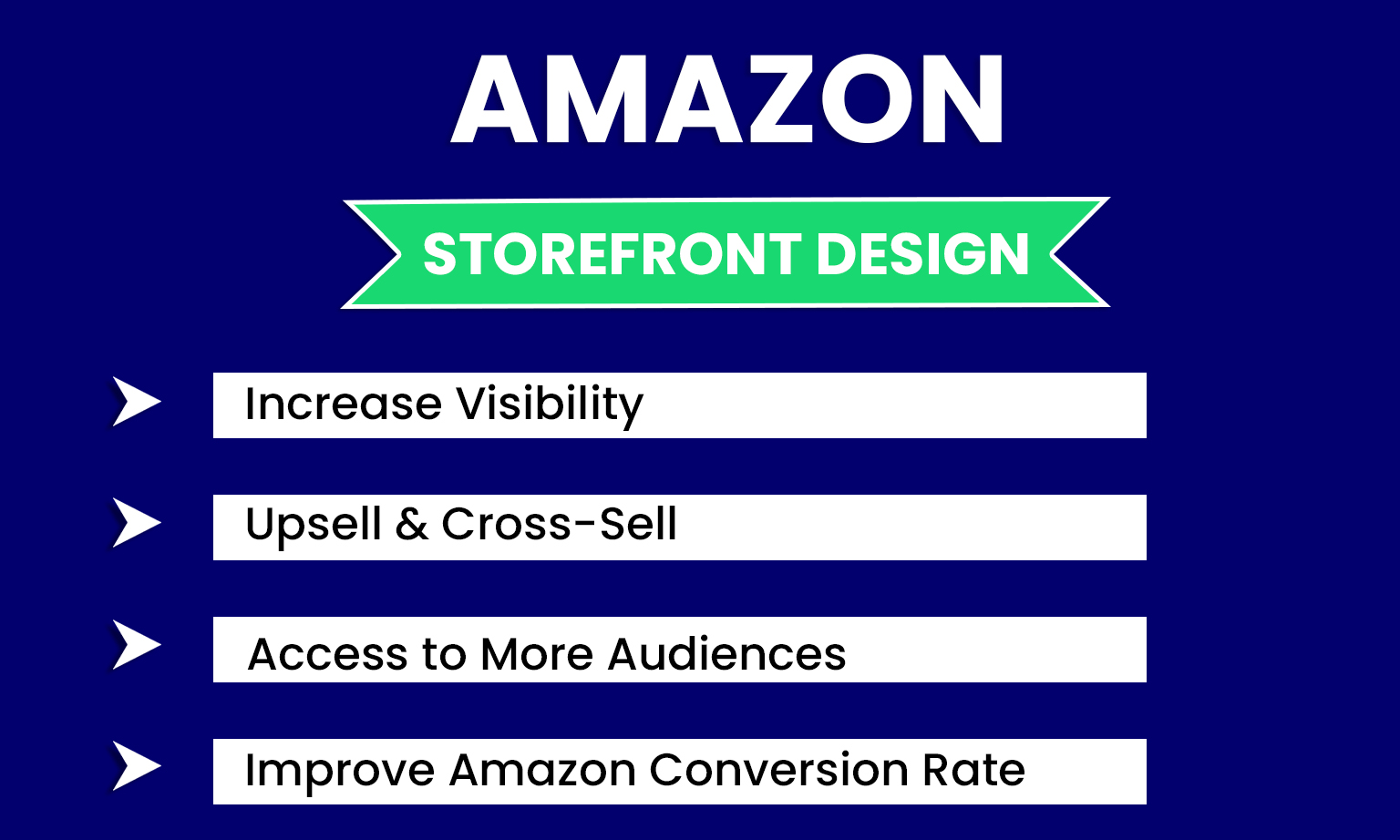
One of the most renowned e-commerce retailers with an enormous seller and customer base. Are you selling on this vast e-commerce platform? Through Amazon Storefront you can stand out among 2.2 million active Amazon sellers. Opening an Amazon Storefront can help you differentiate your brand from your competitors and build customer trust. Amazon is truly the best place to highlight your unique value proposition.

An Amazon Seller Central Store is your own custom branded website on Amazon. Registered brands can showcase their products without distractions from competitors’ products or ads. With Amazon’s vast audience reach, it’ll have the look and feel of an e-commerce store. 

Are you building a Store? Amazon Storefront is a free self-service advertising tool. It is for creating a devoted brand destination on Amazon. It is an incredible way to showcase your top-selling products. Consequently, it increases brand awareness through an easy-to-navigate interface. These Storefronts provide small and mid-sized businesses with a platform for selling products.

HRL Infotechs has years of experience setting up a perfect Optimized Amazon Brand Storefront for clients. That aided them in surging their business and took their dollars higher.

Here are some best Practices to Upgrade Your Amazon Storefront:

  • Convey your story through your Storefront- Amazon organic sales Storefront is a unique but expressive way. Influence your customers through your brand’s story and rank them as top-selling products. 
  • Tailor your storefront design around customers’ pain points- You can design your Amazon Marketplace Store around the issues that trouble your customers the most. Because solving the problems is an eminent way to fascinate potential buyers. This way, you can meet maximum sales.
  • Cater to the type of customers you want to attract- Do a proper study about the behavior of your target audience on Amazon. Figure out their thinking process, likes, and dislikes. In this manner, you can throw a perfect and captivating storefront strategy to attract them.
  • Create sub-pages- Do not paste everything on your home page and mess it up; Instead, create a few sub-pages. Categorize better and arrange your products on various pages for easy navigation.
  • Truthful statements and clear CTAs- What is the best policy to gain customer loyalty? Most importantly, be honest with them to retain them long-term. It will make your customers buy from you again and again. Moreover, keep clear and visible Call-to-action buttons for ease for customers.
  • Attraction and engagement- Put compelling videos and photographs of your products. And put your products on multiple pages with categories and full-width images to optimize amazon organic sales brand pages. You can also show reviews on your brand page to capture customers’ attention.
  • Functional on mobile and desktop- Two-thirds of the searches are from mobiles. So, ensure your storefront is accessible from phones. It can enhance your customers’ experience and build a good brand image.

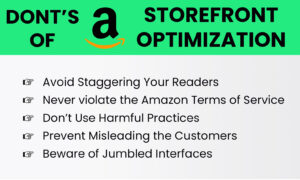
Don’ts of Amazon Storefront Optimization:

  • Avoid staggering your viewers- Make sure your store has easy navigation. Just keep it simple and accessible. Avoid creating confusing store designs for better engagement of your customer. 
  • Never violate the Amazon terms of service- Appropriately conducting business is the key to customers’ hearts. Abide by Amazon’s policy, or you would have to suffer severe consequences. That can even make your brand ineligible to sell on Amazon. 
  • Don’t use harmful practices- Protect your clientele to protect your enterprise. Indulging in harmful practices is an easy way to hurt your business reputation on Amazon. It will affect the confidence and trust of clients in you. Treat your customer’s data as confidential and Keep at arm’s length from unfair pursuits.
  • Prevent misleading the customers- If you do not wish to jeopardize your brand image, do not mislead them. Misguiding them can get you bad words of mouth. As it could reduce your rating, and you can also lose customer retention.
  • Beware of messy interfaces- Sometimes, the interfaces are all messed up, reducing engagement. Try to keep your store systematically arranged to narrow down the chaos. 

Amazon storefront optimization

Conclusion

Amazon Storefront is an appealing way to optimize brand pages with no competitors’ or ads presence. Refurbish your Organic Sales on Amazon. Highlight your eccentricity and what differentiates you from others. In other words, an optimized Brand Store page is the best way to customize your presence on Amazon.

Amazon store design

Refurbish your Amazon Marketplace Storefront by creating categorized sub-pages. Claim customers with nobility and exemplary practices, including clear CTAs on the pages. Besides this, there are a few things you need to keep away from to magnify your business presence on the leading platform. For instance, violating the terms of services or deluding the product buyer with unfair practices.

Get expert assistance at HRL Infotechs to win the lead and gain a competitive advantage with an optimized Amazon Storefront.

Conventional Methods for Amazon Listing Optimization 2022


Amazon Product Detail Pages are the pages buyers see when searching for items on Amazon. It is where a customer discovers any Amazon product. Detail pages are an eternal part of the Amazon catalog, and sellers can create listings for these products on Amazon. The seller must register with a Professional Seller account to create a new Product Detail page.

Each product has its page with detailed product information that includes:-

  • Title
  • Images
  • Bullet points
  • Description
  • Product variations (such as size or color)
  • Customer reviews

Have you ever considered why some products consistently pop up in Amazon searches while others hardly get noticed? Or how do a few product listings maintain getting clicks and have a high sales rate while others don’t?

The mystery revolves around Optimization.

Finding the right product to sell on Amazon is key to success on the site. But even if you’re selling the perfect, high-demand product, an optimized listing will be saleable and glide your business to newer heights.

Amazon Listing Optimization


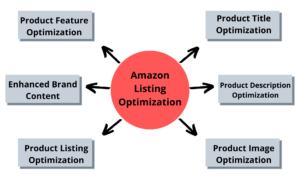
Amazon Product Listing Optimization is the process of optimizing your listings to inflate conversion. It is one of the most crucial strategies to keep your product on top. It is also the key to a customized experience for buyers. Optimizing your product listing ensures compatibility across branding, messaging, reviews, and ratings while increasing visibility on Amazon’s Search Engine Results page.


Best Practices for Optimizing Product Detail Page

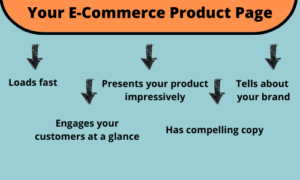
The E-commerce industry is seeing rapid growth, but many brands struggle to boost their e-commerce conversions. Most customers decide whether they want to buy your product or leave your store while they are on your product pages. So, brands need to create high-converting e-commerce product pages as your product detail page is the backbone of your e-commerce strategy. 


E-commerce-Product-page


Few Basic Tips to Optimize Pages:


1.Examine Your E-commerce Product Pages

Run through a few minutes on your product page to analyze numerous elements and recognize the ones that call for work. If you fancy imparting a great experience to your buyers, it’s crucial that you’re thoroughly informed about the display page yourself.

2.Apply Compelling Product Photos

Don’t suppose content as simply text on a page. Graphics/photos play a significant role in engaging your target audience. Product photos help your customers create a first impression of your product. Contrary to retail stores, your customers can’t see, touch, feel, or try your products online. Therefore, you must display your product from multiple angles.

3.Lay Out Comprehensive Product Content

Apart from product images, a prominent e-commerce page should provide essential particulars about the product. It’s the content that briefs customers about the benefits and features of a product. It can persuade them to buy from you. Ensure you use a civil, engaging, and personal touch in your product descriptions.

4.Support Social Evidence to Escalate Reliability

Brand integrity across industries is shrinking, as consumers are losing faith in occasionally pompous claims many companies make about their products. That has led to the rising crucial communication scheme that is social proof. Buyers often refer to what previous buyers have to say about a product. It helps them analyze if it’s the product they’re looking for. Product reviews and ratings build trust, and that trust helps increase conversions.

5.Assign Your E-Commerce Product Page an Appealing Title

Giving your e-commerce product page a catchy and engaging title is crucial. The title is the foremost thing anyone visiting your product detail page will see. Best to make your title stand out. A precise title gives you a greater chance of the right shoppers clicking on your product.

6.Develop Your E-Commerce Product Page for Mobile

Mobile e-commerce or m-commerce is undoubtedly growing faster than e-commerce in general. Moreover, Google announced its mobile-first indexing update. Thus, if your e-commerce product pages aren’t mobile-friendly, you might lose traffic, sales, and revenue. This update has left you no choice but to optimize your site and product pages for mobile devices. 

Mobile-optimized product pages can help you:

  • Improve the overall experience of your customers
  • Help them buy from anywhere, anytime
  • Facilitate faster checkouts with digital wallets


Every product is unique, meaning every product page should be memorable. It takes a lot of time and marketing effort to drive targeted traffic to your e-commerce store. But that will be wasted if you don’t optimize your product pages to boost conversions.

The above points will help you provide a better shopping experience for your customers. Optimizing Product Detail Pages thus can help you increase conversions and make your dollars fly.