Low Inventory Level Fees: Do You Know How Much Amazon is Charging You?


Unfortunately, for many Amazon sellers, profit entails an elaborate maze of fees, commissions, and other operational expenses. One of the less-known yet critical costs that sellers need to watch out for is the Low Inventory Level Fees imposed by Amazon. When not properly managed, these fees chip away at your bottom line in silence. Let’s explore what these fees signify, why they are important, and how to mitigate them in order to protect your profit.

What Are Low Inventory Level Fees?

Amazon will slap its Low Inventory Level fee on sellers that fail to maintain enough stock for their products. Indeed, the e-commerce giant’s mission indicates that customers can always find what they are looking for. If a seller’s stock falls below an agreed measurement, Amazon views this condition as a threat to customer satisfaction and the seller incurs charges. These fees are meant to spur sellers toward optimizing their inventory-keeping levels to avoid stockouts.

To understand fully what influence such fees would have on your business, you need to know something about customs and taxes influencing sales in Amazon USA since they can also affect stock movement and operating costs.

Why Low Inventory Level Fees Hurt Your Bottom Line

The managing of Amazon’s stock already become a cumbersome process by itself complex exercise-to forecast demand patterns and seasonal fluctuations. But mostly, these are the implications of insufficient stock:

Loss of Sales Opportunity

Potential customers turn to competitors if the product is out of stock, and missed sales opportunities not only mean loss of revenue but can also go a long way in affecting your seller ranking and visibility on Amazon.

Increased Cost of Operations

Those low inventory charges become one more cost zipping through the margins of your profits. Coupled with other Amazon expenses like Amazon commissions and charges, these fees can impact your overall earnings.

Negative Brand Image

Frequent stockouts irk loyal customers who may resort to negative reviews and reputational trust issues with your brand.

Interruption of Cash Flow

Paying unexpected charges means there’s going to be less cash left for reinvestment back into other important aspects of the business, such as marketing, product development, or even an extension of using an Amazon pay-per-click service to boost visibility.

How to Find Low Inventory Level Fees on Amazon

If you need to determine whether these charges are impacting your profits, you will need to identify and analyze them on your Amazon account. Here is how :

Get to Your Seller Central Dashboard

  • Reports: The general subsection shift to “Fee Preview,” or “Inventory Performance”; both places will show the inventory levels against their corresponding costs.
  • Run a fee analysis: Detailed reports coming from Amazon state exactly where the Low Inventory Level Fees is being charged.

Track Metrics on Inventory

Amazon’s sell-through rates, restock recommendations, as well performance metrics can be very helpful in keeping your inventory levels on par while at the same minimizing fees.

Understanding what overhead charges are incurred as a result of inventories is equally important as knowing how much it would cost to begin an Amazon store or the advertising budget for effective Amazon PPC campaigns..

Strategies to Avoid Low Inventory Level Fees

These fees can only be avoided by an aggressive and active stock strategy and management. Here are some of the main options to help you:

Have inventory forecasting tools: Tools like Forecastly, RestockPro, and even Amazon’s features for inventory management help forecast future demand based on past sales data and market trends.

  • Diversify Your Supply Chain: A single supplier may be cost-effective, but it also makes you vulnerable to disruptions. Consider sourcing from multiple suppliers or keeping backup vendors to ensure steady stock availability.
  • Establish Safety Stock Levels : Always maintain an idle inventory buffer to cushion any unforeseeable sudden demand spikes, shipping delays, and other disruptions.
  • Monitor Inventory Turnover : Inventory with a slow-moving turnover raises storage fees and affects cash flow. Thus, closely align with observing your inventory turnover ratio so that you can easily balance stock levels.
  • Automate Restocking Alerts: Set up automated notifications through Amazon or third-party inventory management tools to remind you when stock levels fall below a specific threshold.

The Broader Impact of Low Inventory Level Fees

Long-Term Fees of Amazon Low Stock Level Fees also come with other complications. Add the rules on customs and taxes as they apply to sales in Amazon USA, long-term storage fees, as well as Amazon commissions and charges, and they could make the whole financial picture seem so heavy.

But sellers could always keep abreast and practice timely good inventory management to countersink such costs and not get distracted from their growth. Investment in tools and services—for example, in Amazon’s PPC service—also speeds up sales conversion and reduces the chance of these penalties.

Conclusion

Navigating Amazon’s ecosystem requires keeping an eagle eye and planning strategically. Low Inventory Level Fees are one of those hidden costs that can be very devastating when ignored, but they can be brought down by using forecasting tools, optimizing supply chains, or staying tuned to business financial reports. From forecasting tools to supply chain optimization, sellers will have the power to take charge of their inventory and protect their revenue against losses.

In this case, knowing them is as important as knowing how much it costs to start an Amazon store or plan to market using Amazon PPC services. Thus, essentially, proactive action can lead to avoiding unnecessary costs and setting up the business for long-term gain in an otherwise competitive e-commerce world.

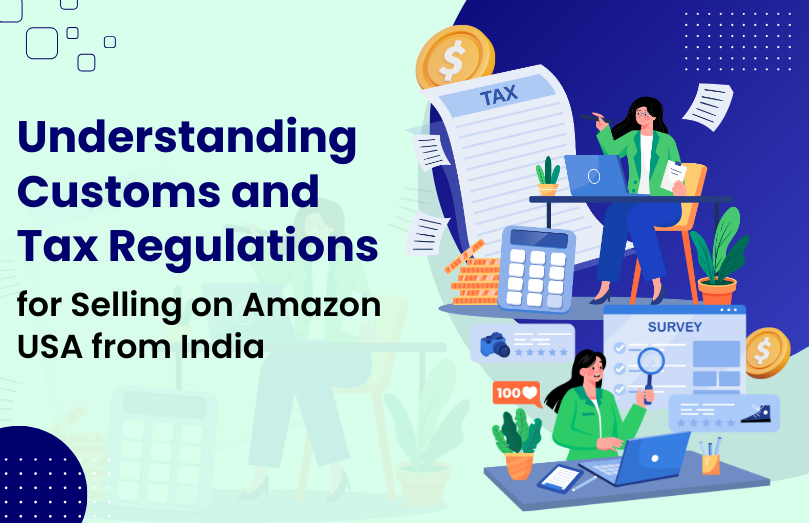
Understanding Customs and Tax Regulations for Selling on Amazon USA from India


Selling on Amazon USA from India is a golden opportunity for businesses looking to expand their reach across borders. However, wading through Customs compliance and Tax Compliance can be difficult without sufficient preparation. From duties to compliance, step-by-step measures ensure a smooth experience of pen-and-paper international selling. Here we have for you a very thorough guide for knowing key essentials about managing such regulations.

Why is Buy Box Suppression an Important Issue?

      • Direct Sales Impact: Actually Buy Box has a huge effect on customer purchases. In Buy Box suppression, sellers do not have this chance to convert customers.

      • Decreased Discoverability: Products without Buy Box are not easy to find. A customer has to browse through alternative offers which reduces convenience and hence sales.

      • Erosion of Customer Confidence: Suppression often indicates issues with pricing, policy, or listing practices. Customers will be skeptical of the legitimacy of the product or its value.

      • Increased Competition: Suppressed Buy Boxes drive sellers to fight more price and fulfillment tougher, which can negatively affect profitability.

      • Revenue Losses: 80% of sales at Amazon take place through Buy Box products, hence suppression could lead to a massive drop in daily revenue streams.

      • Retaining market: Share has become increasingly difficult: Products that are suppressed will lose their edge to competitors and make it difficult to regain the visibility and the trust of buyers.

      • Operational Difficulties: Often, resolving the issue concerning Buy Box requires scrutiny of pricing strategy, fulfillment practices, and listing quality, which consume time and resources.

      • Risks of Algorithmic Penalty: Suppressed Listings can make the overall account health poor, affecting the Seller’s status on Amazon.

    Customs and Tax Regulations for Selling on Amazon USA from India

    1. Fundamentals Regarding Customs and Land Tax Regulations

    Customs and Tax Regulations are of utmost importance for an Indian selling on an Amazon USA platform. Customs duties, taxes, tariffs, and import fees depend entirely upon the specific category of goods.exported by you. These are basically determined according to the Harmonized System (HS) code-a universal library for goods classification. They often come out by using international shipping in Amazon for streamlined logistics while you have to keep documentation accurate.

    Furthermore, you have to abide by all Indian and U.S. regulations. American product standards on quality and safety may be different from India.

    2. Duties and Tariffs: What You Need to Know

    Customs duties are taxes imposed on imported goods. The U.S.A. sellers mostly pay duty based on the classification of the product and its declared value. It’s wise to calculate all those upfront to sell competitively priced articles. Companies like gateway for Amazon sellers to sell worldwide simplify these calculations.

    Taxes like GST in India and state taxes in the U.S. also have to be accounted for. Therefore sellers should keep the complete record of transactions to avoid discrepancies during audits.

    3. Sales Tax Compliance in America

    Unlike India, which is governed by a national sales tax-GST, sales tax is rather state based in the U.S. Each state has its own rules of taxes, while no sales taxes by certain states. Understanding these differences using how to sell from India to the USA guides will keep you free from all compliance hassles. Amazon collects sales tax and remits it for you in states where the marketplace facilitator laws apply. But you will be responsible for all registrations to a tax identification number as required.

    4. Documentation: The hallmark of a hassle-free shipping process 

    Correct documentation is indispensable for smooth clearance at customs. Key documents include: 

        • Commercial Invoice: A document mentioning the value of the product and its intended purpose. 

        • Packing List: The contents of the shipment. 

        • Certificate of Origin: A document showing the place of manufacture of goods. 

        • Importer Security Filing (ISF): Required for entry into the U.S. 

      Leveraging services like amazon advertising services can help you understand how these facilitate the processes by hooking you up with some experienced consultants.

      5. Using Resources from Amazon for Compliance

      Amazon has great access to tools like the Global Selling Program that help sellers navigate Customs and Tax Regulations on Amazon: automatic tax calculations, currency conversion, and fulfillment services. Enroll in Fulfillment by Amazon (FBA) to have all the logistics simplified since it takes care of storage, packing, and shipping.

      Once registered into Amazon Seller Central, there is easy access on tax reports and insights. Greatly useful for tax regulation and Amazon compliance purposes.

      6. Common Obstacles

      Incompleteness of documentation or misunderstanding with regard to U.S. import laws most often creates lengthy delays for sellers. Engage people with expertise in Customs and Tax Regulations to continue. Legal and tax advisory services will help ensure the correct following.

      Currency exchange is yet another hurdle. Payments are in USD; however, with Amazon’s currency converter, or any other financial instruments, rates of exchange can be managed efficiently.

      7. Compliance Equals Success: 

      Compliance is much more than just getting rid of fine punishments; it is really building trust with your clients and associated businesses. It manifests professionalism and strong commitment toward giving quality service in proper addressing of customs and tax regulations.

      How to Overcome Amazon Buy Box Suppression

          • Optimize Pricing Strategies: Price your product according to the market forecast. Do not overprice or under-price, as very extreme differences will trigger Buy Box suppression.

          • Meet Fulfillment Standards: Either use Fulfillment by Amazon (FBA) or comply with stringent standards prescribed by Amazon for seller-fulfilled shipping and delivery. Fast and reliable shipping dictates Buy Box eligibility.

          • Listing Quality Monitoring: Keep reviewing and updating product listings regularly to conform to Amazon guidelines. Write clear titles, accurate descriptions, and assert high-quality images.

          • Policy Violations Resolution: Correct all flagged issues such as wrong categories of products, restricted items, or incomplete details that can suppress the Buy Box.

          • Check on Stock Availability: Sufficient stock on hand to satisfy demand. Stock-out situations give rise to suppression of Buy Box.

          • Maximize Competitive Metrics: Retain high performance metrics like order defect rate, cancellation rate, and on-time delivery rate for your competitive standing for the Buy Box.

          • Go For Amazon Advertising: Sponsored ads and promotions targeting the traffic onto your listings as the company works on Buy Box problems.

          • Competitor Analysis: Regularly check the pricing, fulfillment mode, or performance of competitors to remain competitive with what they do in your niche.

          • Seek Professional Assistance: Expert help like Amazon PPC management services would ensure compliance for regaining Buy Box eligibility efficiently.

        Conclusion

        Expanding from India to the USA on Amazon makes sense because it can give a greater return to the business. However, one needs to be completely wise about Customs and Tax Regulations. Fortunately, there are tools like a gateway for Amazon sellers who want to sell globally and resources like the Amazon Global Selling Program that stand ready to help sellers cross international waters. Make sure you get the necessary knowledge and services so that your entry to the U.S. market is smooth.

        So, are you ready to go worldwide? Start today with the right strategies, assistance, and rare commitment to compliance and get global success.

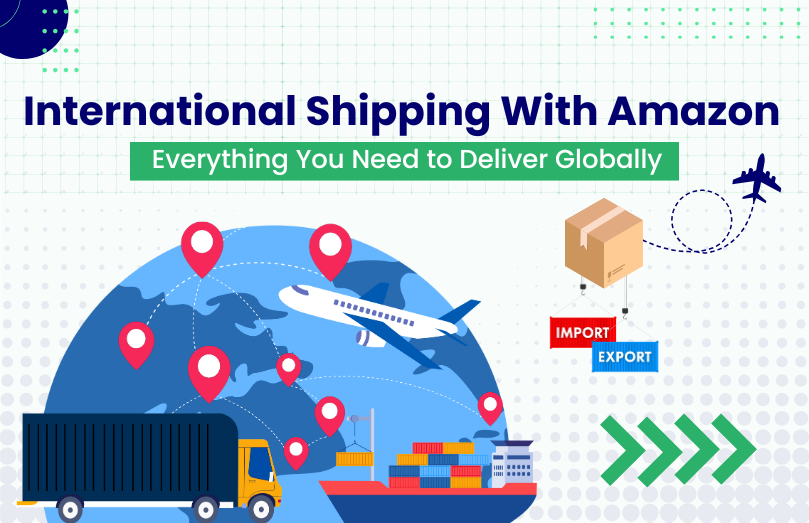
        International shipping with Amazon: Everything you need to deliver globally


        Did you have a dream initiating your business across borders, targeting customers on the other side of the world? The dream is only possible with Amazon Global Selling; it is not just possible but waiting to be unlocked. The best platform for sellers to reach millions of international customers is Amazon. So, how can one navigate the vast complexities of Amazon international selling? What does it take to succeed? Let’s dig into the essentials of delivering your products around the world.

        The Rise of Amazon Global Selling

        No more are the boundaries of e-commerce limited to geography. Amazon’s Global Selling lets sellers list and sell their products in different international marketplaces run by Amazon. Be it North America, Europe, Asia or beyond, this program gets you hooked onto selling on Amazon internationally to grow your business. 

        With an inclination towards few barriers of entry regarding foreign markets being imposed, marketplace sellers can overcome it all by just selling via the power of terrific platform infrastructure and such a trusted name as Amazon. However, that may require some understanding of international shipping policies as well as Amazon’s policies.

        Why Sell Globally with Amazon?

        Indeed, it is the right platform to sell on Amazon internationally-Most especially to be used by people eying into the US market or any European consumer. It opens the gates for selling internationally on Amazon. Here are the reasons why sellers consider joining Amazon Global Selling: 

        • Access to 18 global marketplaces: Sell to buyers across North America, Europe, Asia, and beyond.
        • Easier logistics with FBA: Fulfillment by Amazon stores, packs, and ships the products.
        • Currency conversion and cross-border payment: Receive payment in your local currency without further hassle. 

        Now that they can understand how selling in the US works or other such international markets, sellers can consider upgrading for more great offers.

        Setting Up for International Success

        Advice for preparing to enter the global arena. Here’s a step-by-step procedure for getting you started.

        Know the Markets

        Research your markets before going in. Identify those markets where your product has the most potential and study the demand, supply, competition, and customer preferences, e.g., if you want to know how to sell on Amazon USA, search through the trends and behaviors of the U.S. market.

        Register for Amazon Global Selling

        Join the scheme and select the marketplaces that you would like to target. Manage all listings from a central seller account on Amazon’s seller central site without restrictions by regions.

        Even Local Regulations

        Each country has its own regulations about product labeling, taxation, certification, etc. Such rules must be understood for smooth business running.

        Create Your Offer

        Build a product listing according to your target audience. This involves translation and added adaptation to fit cultural norms.

        Select the Fulfillment Option

        Amazon has two types of fulfillment:

        • Fulfilled by Merchant (FBM): The seller does all storage, shipping, and returns by themselves.
        • Fulfillment by Amazon (FBA): Amazon provides logistical service to the seller while the seller only needs to worry about selling.

        Marketing Tools

        Use your listings more effectively by running targeted campaigns. Professionals offering sell on amazon globally tips can help refine your marketing strategy for maximum reach.

                                       get experts help to expand your business globally                                                 

        Tips for Selling Globally

        Do you think you can sell on Amazon globally? Here are some tips for a budding seller. 

        • Research Demand: Use the tools made available by Amazon to find which items have attracted demand in any given region.
        • Keeping a Competitive Price: Competitive Pricing becomes maybe most important when it comes to selling in an international context.
        • Put Customer Service First: Fast response and post-sales support which drive up loyalty.

        Challenges of Selling Internationally (and How to Overcome Them)

        With such great possibilities, Amazon Global Selling comes with lots of complications such as tax compliance, language, and shipping issues. But with the right strategies and tools like those offered by Amazon Global Selling, that task becomes easy.

        Benefits of Partnering with an Expert Agency

        If you’re not quite sure where to begin your search, you might want to consider partnering with specialists who know how to sell internationally on Amazon instead. Tailored by agencies, it is about creating an exact package for you, including localization and compliance advice, as well as performance analytics, to put that competitive edge into your product or products.

        Conclusion 

        There was a time when global expansion was something that businesses could afford to think of as an option. Now, it is the only way for anyone to exist in the geo competitive market. Amazon Global Selling has made the whole world your market. Amazon has equipped so much to be successful through increased visibility to streamlined logistics on a global scale.

        But then again, this doesn’t mean that you can just enroll to succeed. You need to have a sound strategy, corresponding regulatory compliance, and a good understanding of the target markets as well. This applies much more whether you are just thinking about starting something new or even optimizing your pretty much existing operations; professional services like Amazon account management services would be more enough.

        So, do you think your business is now ready to cross borders? Your global audience is waiting! Let Amazon Global Selling take you a step closer to international success.

        Expand Your Business Globally: 5 Tips to Get Started


        Can you imagine how it would feel to see your business development beyond borders to different customers in different countries and cultures? Due to the establishment of cross-border ecommerce, it is now possible to grow one’s business at a very low cost and in a few steps. But before jumping into any projects there are some preliminary things that you have to be familiar with. So, here we are going to examine five strategies that would help you embrace the benefits of cross-border ecommerce and the challenges that come along with it. If you are thinking of expanding your business globally, then overseas ecommerce marketing in India or such other services would be helpful for you in breaking into foreign markets.

        Tips to Expand Your Business

        1. Research in New Markets Even More

        When it comes to cross-border ecommerce, planning well where to market your products is of utmost importance. It’s like hosting a dinner party: you have to know what your guests like, how they behave and what their tastes are so as to prepare the right meal. In the same way, careful study of consumption patterns, competing businesses, and cultural practices of a market will serve to enlighten one about his/her potential clients and avert cultural blunders. This is one of the greatest advantages of cross border eCommerce and why people love it: it gives you the opportunity to almost everyone on this planet.

        Some markets will be more welcoming to your products than the others and some might call for market readiness activities. Based on assessment of the local market trends and regulations and existing consumers’ needs, you know where to channel your resources and marketing activities.

        2. Enhance Your Product Listings and Website

        When creating listings for your market, in this case, a website, there is more to do than just convert the language of the product descriptions. It is about making everyone’s product at home even in the farthest market. Modify your product listings to include local customs and practices, languages, and units of measurement. Make sure that your website is designed user-friendly, responsive for mobile devices, and easy to navigate for foreign customers.

        With elements such as currency options and language settings, the presence of localized elements ensures a better experience for the customer, instills trust in them, and translates into increased rates of conversion. Seeking the help of ecommerce marketing services can guarantee that every aspect of your online presence speaks to the right audience.

        3. Get ready for the potentials and downsides of Cross Border Ecommerce

        There are many benefits to cross border ecommerce, however it’s important to appreciate the risks involved with cross border ecommerce as well. For instance, expanding businesses face issues such as foreign taxation, currency issues, and the logistics of cross border exportation. For instance, if your costs are fixed in a domestic currency, exchange rates may shift considerably over time leading to losses or reduced profits.

        And there are other differences as well. For instance, one may create an advertising message that is appropriate in one country but culturally unacceptable in the other. To that end, these aspects should be taken into account and managed whereas such expansion may be desired. Bringing on experts and formulating the risk management will alleviate the mentioned risks.

                                amazon sell globally  

        4. Develop a Shipping and Returns Systems that Works efficiently and Effectively

        With the globalization of e-commerce, managing shipping logistics has become one of the greatest and most difficult issues that has to be dealt with. Again, consumers wish for best services, and so, looking for a reliable and efficient shipping company for international orders is a necessity. In that case, it’s advisable to help third-party logistics companies which can manage such orders in a more effective way. It will also be helpful to the customers if more than one method of shipping is provided and the times of deliveries are also indicated.

        The way customers perceive the business and their satisfaction in general also depends on how easy the returns will be. The return process should be simple enough for clients or they should be able to exchange their purchased items if need be. Such factors enhance experience for the clients and they are likely to return for more purchases, hence proper communication and a clear cut system put in place would be vital.

        5. Make Use of International Markets such as Amazon

        There is no need to reinvent the wheel when it comes to beginning cross-border ecommerce. There are global online marketplaces, such as Amazon, that have already set up all the necessary structures to enable one to engage in global sales. How does Amazon assist in international selling? Services such as Fulfilled by Amazon (FBA) allow customers to keep their inventory in Amazon’s global stores, cut delivery times, and expand their sales to hundreds of countries.

        Furthermore, they include an in-built language interface which enables customers to browse and buy in their own language. This helps in brand expansion as there is no need for multiple localized websites. The use of Amazon and other similar platforms comes in handy when one wants to test their goods in foreign markets but does not want to commit a lot of resources in opening a new country straight away.

        Frequently Asked Questions

        Q1. How do I start cross-border ecommerce?

        To start cross-border ecommerce, research target markets, local regulations, and customer needs. Partner with a logistics provider to handle international shipping, and leverage global marketplaces like Amazon for easy entry.

        Q2. What are the risks of cross-border ecommerce?

        The risks of cross-border ecommerce include fluctuating exchange rates, complex tax laws, and cultural misunderstandings. Proper research and planning can help minimize these risks.

        Q3. How can Amazon help me sell internationally?


        Conclusion

        Taking the plunge into cross-border e-commerce presents new avenues of growth for entrepreneurs. Getting a grip on the market, handling distribution bottlenecks, and turning to players like Amazon for assistance is how you are able to extend the outreach of your brand to every corner of the globe. Working with specialists, like an ecommerce marketing agency in India, will help you make an entry into any new market without a hitch, fast, and with the desired outcomes. The global market has room for your business—are you prepared to take it worldwide?

        How to Sell on Amazon USA From India in 2024 (Step By Step Guide For Sellers)


        As the new year approaches, it has brought a new golden opportunity for selling products on Amazon US from India. Indian Entrepreneurs can now access one of the world’s largest online marketplace. The U.S. market entails millions of active buyers for whom there is high demand for various products, hence providing a great market to exploit. Nevertheless, knowing the procedure as well as costs entailed is necessary for any business with a long-term vision.

        In this guide, you will learn how to sell on Amazon USA from the registration process to fulfillment and marketing, step by step.

        Steps on how to Sell Products on Amazon USA from India

        Below the experts at HRL Infotechs have brought step to step guidance for selling products on Amazon USA from India.

        Step 1: Create an Amazon Seller Account

        The first step to sell products on Amazon USA from India is setting up your seller account on Amazon. Let’s know how you can do it below:

        • Access Seller Central: First, go to the Amazon Seller Central USA page to commence the process.
        • Select a Selling Plan – Amazon divides its plans into two categories. These are Individual and Professional. The Professional plan targets those who sell in bulk and is paid monthly, while the Individual one has a fee for every sale rather than a monthly fee.
        • Enter Business Information: You will be required to fill in some business related information. In this case, a valid GST number from India.
        • Link a Bank Account: It is imperative that you attach an international bank account to receive your earnings, or else, you can use services like Payoneer or Wise to change your earnings to Indian Currency.

        Once you have set up your account, you are officially ready to start selling on Amazon US from India.

        Step 2: Complete all the Documentation and Legal Requirements

        Before you can sell on Amazon USA from India, you need to ensure you have the required documents in place and must complete all the legal requirements. Here are some important documents that you must have. 

        • GST Registration: This is mandatory in India, for purposes of taxation.
        • Import – Export Code (IEC) : Suppliers from India who are exporting goods behöver a DGFT Import Export Code.
        • U.S. Compliance Documentation : There are some instances when some products require particular certification, hence ensure that your products are within the legal jurisdiction.

        These legal steps are essential to ensure a smooth process while selling on Amazon US from India.

        Step 3: Select the Right Items for Sale

        The successful launching and operation of any business will depend on the correct choice of products. Here’s how to do this wisely:

        • Market Research: Employ the services of Amazon product researching tools such as Jungle Scout or Helium 10, to find and analyze sales opportunities for products that people in the US are actively looking for.
        • Shun Prohibited Categories: This includes health products, cosmetics, electronics, and so on. Some of these may be restrictive and therefore, have to be approved first. Check Amazon’s restricted categories list before making any decision.
        • Consider Shipping Costs: The Sell on Amazon USA from India cost can significantly increase if your products are heavy or bulky. Choose lightweight, easy-to-ship items to minimize costs.

        Choosing the right product mix with low weight will play a key role in determining your success in selling on Amazon USA from India.

        Step 4: Delivery Choices – FBA or FBM?

        When it comes to selling on Amazon US from India, there are two main ways of fulfillment; Fulfillment by Amazon (FBA) method or Fulfillment by Merchant (FBM) method

        • Fulfillment by Amazon (FBA): This means you will send your stock to Amazon’s U.S. fulfillment centers. Amazon does the storage, packaging, shipping and even customer service. Nevertheless, one of the critical points is that FBA charges tend to be on the higher side, which affects the total Sell on Amazon USA from India cost among other things.
        • Fulfillment by Merchant (FBM): With this model, you have to store the products and carry out the deliveries on your own. This way of doing things offers more flexibility however it means that you have to have a logistics company that will deliver goods on time.

        Most of the sellers start with FBA for the sake of simplicity but will at some point look to cut down on costs and tend to shift to FBM or a mix of the two.

        Step 5: Add Your Products on Amazon USA

        After you have identified your fulfillment strategy and prepared for operations, it’s time to start creating listings for your products.

        • Listing Title and Description: Write a compelling and SEO friendly title and product description so as to heighten the chances of your product being viewed and ranked sooner in searches for its respective products.
        • Quality Photos: Provide only high-quality photographs that exhibit the product from different angles.
        • Setting The Price: Look for the similar items in the market and their price points so that you can ensure your pricing is fair, taking into consideration the Sell on Amazon USA from India costs for logistics, taxation, Amazon charges and others.

        While it is important to optimize your product listings for the US market, more important is the fact that in doing so, you will be enhancing their chances of being sold through Amazon US from India. 

        However, if you face any problem, you can approach to HRL Infotech, which is the best ecommerce marketing agency in India

        Stage 6: Promote Your Products

        Having a well outlined strategy is essential to increasing sales. Here are some ways to promote and sell products on Amazon US  from India: 

        • Marketplace PPC: Along with the above tools, one can also pay for views and clicks on their products that are displayed on Amazon.
        • Offerings: Providing offers or taking part in Amazon events like the Prime Day can help you gain momentum. 
        • Customer Reviews: Ask the customers to leave feedback, as it will help book your place in the rank and enhance your product’s image.

        You will be able to reach out to more customers and boost the sales volume on Amazon US from India by thoroughly advertising the products.

        Step 7: Management of Sales and Warehousing

        After the introduction of the products into the market, attention should be paid thereafter to sales as well as inventory management.

        • Sales Tracking: As an Amazon seller, you can utilize the different features available in the Amazon Seller Central platform to gauge how well your sales are, to read and reply to your feedback and reviews, as well as to establish the best-selling products.
        • Control of Inventory: Keep stock levels at appropriate levels through effective control. In cases where FBA is used, tracking the inventory is well simplified by Amazon. In other cases, where one has their own stock, there are other inventory control solutions on offer.
        • Revise Plan: Sales forecasting analysis is key since it highlights the aspects of the marketing mix that need urgent attention such as the range of products, the kind of advertisement, and prices to stay relevant in the market.

        There is no denying that effective sales and inventory control is very important in making selling on Amazon USA from India a success.

        Step 8: Taxes and Fees Assessment

        And finally, it is also important to understand the selling costs involved when selling on Amazon US from India:

        • Amazon Fees: They consist of referral fees, fulfillment overheads (in case of FBA), and seller monthly charges. Do not forget to factor these into product pricing.
        • Sales Tax in the U.S: In fact sales tax is integrated into Amazon purchases in most states, however sellers should still remember that their tax affairs do not end there in the US.
        • Taxes on earnings: Before getting into selling internationally, it is best to speak with an expert regarding US and Indian laws on taxation regarding foreign sales, as you may benefit from both of these.

        Effective taxation management will help you avoid unpleasant surprises and allow your operations to continue running without hitches. If these intricacies make you feel like pulling your hair out, you should think about employing amazon account management services.

        Final Thoughts

        Extending your Indian business to Amazon US in 2024 will help in reaching many new customers and developing the brand further. This can be done by following this guide to the given steps, where you can create your account, choose the right products and handle fulfillment and marketing of your business in a manner that is effective. Although to sell on Amazon USA from India cost may look prohibitive at first, careful strategy and actions such as business solutions will enable the competitive U.S market. 


        Top 10 Trending Best Selling Products on Amazon in India 2025


        In 2025, e-commerce is rapidly changing the Indian landscape. Indeed, Amazon has emerged as a trustworthy platform for millions of consumers. The best selling products on Amazon India have reflected the evolving lifestyle needs in this surge for digital shopping for Indian consumers.


        Amazon India showcases a wide range of products that address the requirements of an evolving market. Now, what is trending this year? This blog presents the best 10 trending top-selling products on Amazon India in 2025 to take you inside the amazon and shows what catches the modern Indian shopper. These products have quickly become the biggest hits in the market and set the pace for consumer preference this year.

        Best Selling Products on Amazon in India

        With the boom in the Indian e-commerce market, Amazon is still one of the biggest sites for consumers looking to buy everything, from gadgets that make life easier to daily household essentials needs. So, what makes a product rank at the top in sales on Amazon India? Well, that could be anything that sparks the interest of millions of online shoppers relating to quality, demand, or price. You can sell more with amazon lightning deals & coupons. Here are the top 10 highest selling products on Amazon India.

        Books

        Despite the digital era, the book remains one of the fastest-selling categories on Amazon India. E-commerce changed the buying habits in India. Readers try different genres—from fiction to self-help and motivational books to competitive exam guides. Buying books has become so easy with online selling that books today have become one of the top-selling categories in e-commerce since it sees a surge of 26% increase in customers buying books.

        Atomic Habits by James Clear and Rich Dad and Poor Dad by Robert Kiyosaki emerged as bestsellers. More than 28 million books were sold on Amazon to customers across India, averaging more than 70,000 books daily.. Books are a tax-exempted category, and only a few booksellers are affected by the GST. Here are some common types of books.

        • School books
        • Self-help books
        • Business and Economics books
        • Historical and religious books
        • Mystery & science fiction novels

        Electronics

        Electronics have emerged among the top-selling items on Amazon India. Such a trend has forced rapid technological advancement and increased demand for smart and connected devices. Everything from the newest and highest-end to cutting-edge devices makes the wide range of products categorized under electronics for diverse modern life needs incredibly wide. Smartphones top the list of most wanted electronic items in India. India is the second-most smartphone users in the world after China. Samsung Galaxy S24 Ultra, OnePlus 12, and iPhone 15 Pro have been in great demand. Other top-selling electronics products are below.

        • Headphones
        • Power banks
        • Smartwatches
        • Wireless chargers
        • Bluetooth speaker
        • Wireless Earbuds
        • Mobiles and tablets
        • Voice-control home electronics
        • Cameras

        Fitness Products

        With the evolution of the fitness landscape, a few fitness products have appeared as the best sellers on Amazon India, reflecting the growing trend towards personalized workout equipment and health supplements due to growing interest in exercises that one can perform at home or in the gym. After the COVID-19 pandemic, people started taking precautionary steps to improve their health, making fitness products one of the best products to sell online. Integrating these products into your current fitness routine will take your exercise to the next level and help in overall health improvement. Some of the best-selling fitness products are

        • Health supplements: multivitamins, omega-3 fatty acids, probiotics, protein powders, collagen supplements, creatinine, Mass gainer/weight gainer
        • Fitness Equipment: resistance bands, yoga mats, dumbbells, treadmills, fitness trackers, and jump ropes.

        Kitchen Appliances

        Kitchen appliances are within the up-trending smart home arena. Philips, Havells, Prestige, and Bajaj are the most popular kitchenware brands, as many Indian consumers have separate needs in appliances for fast and healthy ways of cooking.

        With more than 35 lakh kitchen products on Amazon India, it is one of the best-selling categories on Amazon. If you are a supplier or a manufacturer of kitchen products, you can sell them on Amazon and reach crores of customers across India. More than 1 lakh kitchen product units are sold daily on Amazon India. Some popular kitchen appliances are:

        • Cookware Sets
        • Pressure Cookers
        • Wooden Kitchenware
        • Hob Tops & Cooktops
        • Juicer & mixer grinder
        • Water heater and purifier 
        • Lunchbox & kitchen Containers & Flasks

        Home Decor and Furniture

        With more and more people staying indoors, home decor items have also seen an increase in sales. People are looking to make their living space better at decent prices, and Amazon is the first choice with its range of brands. These products have more than 50% potential annual growth on Amazon India.

        Key Features of Home Décor Furniture are Modern Designs with Space-saving Furniture and Affordable Pricing. With over 75 lakh products on Amazon, home products are among the best categories. Types of home products and furniture included on Amazon India

        • Furniture: beds, sofas, mattresses, recliners, coffee tables 
        • Home Products: Bedsheets and pillow covers, LED bulbs, curtains, home decor, carpets, rugs, doormats, home organization products, wall stickers, lighting fixtures, clocks, and cushion covers.

        Fashion and Apparel

        From traditional to modern wear, every eco-friendly to sustainable fashion product is best-selling.Amazon Fashion continues to grow with international and local brands. Louis Vuitton, Zara, Van Heusen, and Levi’s are some of the top fashion brands in India. With more than 30% annual growth, Amazon sold over 20 lakh fashion products on an average per day on Amazon India. Sellers can boost sales by 3X during the Amazon holiday and Indian festivals season, as traditional wear is very popular in Indian culture

        • Jewelry
        • Sportswear
        • Saree & Kurtis
        • Women’s Lingerie
        • Baby and Kids Apparel
        • Women & Men Sleepwear

        Personal Care and Beauty Products

        Well-known brands like Mamaearth, Lakme, and L’Oreal sell chemical-free, organic, and tested products that suit each skin and hair type to fit everybody’s needs. Influenced by beauty influencers, personal care kits and grooming tools sales on Amazon have boosted. Serums for high-quality skincare moisturizers and affordable beauty items keep spiraling upwards. Right from Mamaearth to L’Oréal and Beardo, some brands have emerged on top in this category since they offer an array of products to suit each skin and hair type to fit everybody’s needs. Amazon has over a million listed personal care and beauty products.

        • Hair Care
        • Fragrance
        • Makeup Products
        • Bathing Products
        • Gift Boxes and Sets
        • Professional Beauty
        • Skin Care & Lotions

        Games & Toys

        Amazon is India’s largest toy store. Online gaming in India is becoming the most popular esports, where PlayStation, Xbox, and Nintendo Switch are doing very well selling on Amazon. Accessories such as headphones, controllers, and gaming chairs are in great demand in India. Younger audiences are leading sales, and promoting online gaming and collectible premium toys, and thus, games and toys covers the trend for the year 2025. Many movies and cartoons introduce new toys to the market, such as Batman, Iron Man, Hulk, and many more.

        • RC Cars
        • Board Games
        • Ride on Toys
        • Role-play games
        • LEGO and building sets
        • Infant & preschool toys
        • Learning and educational toys
        • Sports toys and playgrounds

        Grocery

        It is much more convenient to get delivery at home; therefore, grocery is the biggest-growing category on Amazon India, with more than 75% growth annually. Moreover, grocery subscriptions have also become quite popular, which allow customers to schedule deliveries. This feature increased customer loyalty, convenience and ensured that sales of basic grocery items such as organic pulses, cold-pressed oils, naturally sourced spices, etc., became regular.

        Amazon India exploits the grocery variety in India by selling region-specific products. Amazon offers them at reasonable prices in bulk and has become a preferred platform for monthly grocery buying.

        • Snacks
        • Rice & Atta
        • Tea & Coffee
        • Breakfast Food
        • Herbs & Spices
        • Gifting Products
        • Cooking oil & ghee
        • Food grains & pulses

        Tea

        Tea is not just a beverage in India; it’s a symbol that brings people together. It is one of the best-selling products on Amazon India. Selling tea online is a lucrative business, especially in a country like India where having tea is a part of the daily routine. Growing consciousness about the health benefits of certain types, such as the antioxidants in green tea or the digestion properties inherent in herbal teas, has further advanced the sale of premium tea products. Popular tea types are:

        • Black Tea (Darjeeling, Assam)
        • Green Tea (loose leaves, tea bags)
        • Herbal teas (chamomile, peppermint, tulsi)
        • Specialty Teas (Flavored, masala tea)

        How to Select the Best Amazon Product for Selling on Amazon

        Choosing the best products to sell on amazon is a crucial decision. Amongst millions of other products, finding a niche product that’s profitable and in demand requires some careful research and strategy. Here we cover the most vital aspects of product selection, from market trends to competition analysis, which can help you in the marketplace and make informed decisions to choose the right product for Amazon, setting you up for long-term growth and profitability.

        Low Competition

        Looking for a product with low competition means there are fewer product sellers, and you can stand out and become more visible. Use Amazon Best Sellers Rank tools to understand the product competition. Check for products with few reviews and a high sales volume to make frequent sales.

        High Demand

        Find high-demand and profitable products to sell on Amazon with low competition that ensures people are searching for products and buying. You can indicate demand by checking the product keyword search volume. Use the Amazon search bar for suggestions about popular product searches.

        Analyze Profit Margins

        The profit margins mean you are selling profitable products after paying product manufacturing, shipping, and marketing costs and Amazon selling fees. Calculate the cost of the goods sold and target a profit margin of at least 20-30% to account for any fluctuation in pricing and marketing costs.

        Evergreen Products

        Evergreen products do not have fluctuations in demand during the year, unlike seasonal products that only sell during the feasts. Picking an evergreen product ensures sustainable sales throughout the year without depending on an event or holiday to boost sales. Health and beauty products, home and kitchen essentials, and personal care items are some.

        Conclusion

        The purchasing trend of Amazon India reflects the emerging consumer priorities of the need for the latest. From tech gadgets to personal care products, the platform has become the one-stop solution for Indian shoppers for quality with convenience. Now, what should you buy or sell next? The possibilities are endless. This best-selling product of Amazon India in 2025 blog gives you an idea of what should be in your store. We hope this article answers all your questions about the most selling products on amazon in india! Do you have any more questions? Let us know in the comments.

        Frequently Asked Questions

        Q1. What’s the Best Way to Identify Best Sellers on Amazon India?

        You can view the best-selling products by visiting Amazon’s “Best Sellers” section, which gets updated hourly, or consider our top trending selling product blog on Amazon.

        Q2. What factors lead to a product’s best-selling status?

        Product demand, positive reviews, competitive pricing, quality, unique features, Seasonal sales events such as Black Friday and Indian festive seasons, contribute to making products best sellers.

        Q3. Do trending products consistently top the best-seller list?

        No, trending products don’t need to always remain on the best-seller list because a trend is not permanent. As there is a continuous launching of new products along with their marketing campaigns, consumer preferences keep shifting from one product to another. 

        Q4. What Impact Do Festive Seasons Have on Amazon’s Best Sellers?

        Sales are always very high during festive seasons, such as Diwali and New Year, or special sales events driven by Amazon, including Prime Day and the Great Indian Festival. Sales are very promising among electronics, home appliances, and fashion categories, generally topping the best-seller lists during these times.

        Q5. How Much Do Promotions Impact a Product’s Rank as a Best Seller?

        Big discounts, offers, and deals are what consumers are looking for, which tends to increase sales and improve the possibility of ranking a product as the best seller.

        How to Reach International Markets as an Indian Amazon Seller


        In today’s digital world, Indian sellers should expand their customer base, but how can they do it? Here, Amazon helps Indian sellers reach potential customers beyond the Indian e-commerce market. Amazon, a powerful e-commerce platform, enhances sales and brand visibility through its Amazon Global Selling platform. Let’s tell you how to sell products on Amazon globally to reach millions of customers and increase their presence in international markets.

        How Indian Sellers Can Achieve Global Growth on Amazon 

        Expanding businesses not only boosts sales but also allows Indian sellers on Amazon to undertake strategic steps for successful entry and growth into global markets. You have to enroll in the Amazon Global Selling program to sell in this fast-growing space of international e-commerce.

        What is Amazon Global Sales? 

        Amazon Global Selling helps you grow your business by using Amazon product listings to rank higher on Amazon’s 18 global marketplaces, including the large markets of North America, Europe, the Asia Pacific, and the Middle East. Amazon provides logistics services along with other services to make exporting easy.

        Why Amazon Global Selling is the Ideal Choice for Indian Sellers

        Amazon Global Selling offers Indian sellers new opportunities, increased profits, and diverse benefits for expanding their business horizons outside India, making it an attractive option for sellers. 

        • Access to a Massive Global Customer Base

        Amazon provides a robust sales platform and numerous opportunities for sellers to expand their international reach in the global market, as Amazon has over 300 million active users worldwide, with more than 80% of the users located in the United States.

        • Higher Profit Margins 

        Traditional Indian handicrafts, textiles, spices, and Ayurvedic products are in high demand internationally. The high demand for these products, coupled with the willingness of foreign buyers to purchase them at a premium price, ensures a high-profit margin.Payments in USD and EUR currency enhance profitability in Indian rupees.

        • Cross-Border Opportunities 

        During a market slowdown, a business can maintain growth by attracting good demand from another market. Cross-border e-commerce has led to an increase in customer demand for products from overseas. Selling on Amazon worldwide can help scale with the trend by meeting international customer demands for unique or hard-to-find products.

        • Build a Global Brand

        Indian sellers can enhance their global brand presence on global platforms like Amazon, enhancing credibility and trust with global customers. By providing high-quality products and excellent customer service, Indian sellers can build a loyal international customer base, resulting in repeat business and long-term success.

        Step-by-Step Guide to Sign Up for Amazon Global Selling  From India 

        Step 1: Start Registration

        Using your existing Amazon customer account email and password, create a seller account and verify your phone number with an OTP after logging in. To create a new Amazon account, input your name, email address, and password, then click ‘Next’.

        Register on Amazon Global Selling and click ‘Start exporting’. Choose a marketplace you want to register in first, then select the ‘Register Now’ button.

        Step 2: Add business and seller information

        If you have a registered company, select ‘privately owned business’ and enter your company name. Otherwise, select ‘None, I am an individual’ and mention your name as per ID proof. To verify your business, input your bank account, national ID card, and valid phone number, and scan and upload the necessary documents.

        Step 3: Add payment details

        Enter the details of your debit or credit card that has international transactions. A fee will be charged to this card every month on completion of the Amazon seller registration.

        Step 4: Add Store Information

        Select a product listing template for future use, follow through with universal product codes and brand registrations, and if you don’t have a UPC, request a GTIN exemption through seller support.

        Please fill in the details on your national ID card, fill out all document fields, and upload documents no larger than 10 MB.

        Step 5: Complete video Call Verification

        Select a suitable date and time for a video call to verify their account. Check your email 24 hours before the video call for additional information. During the video call, bring a hard copy of your ID card and any other submitted documents.

        Amazon Global Selling: Key Support and Tools for Indian Sellers

        • Fulfillment by Amazon (FBA)

        FBA allows Indian sellers to store their products in Amazon’s fulfillment centers. Amazon streamlines local and global sales by managing storage, packaging, shipping procedures, and customer service. 

        • Amazon Advertising Tools

        Amazon offers various advertising tools, including sponsored products, brands, and display ads, to promote products, improve visibility, and drive sales on Amazon international marketplaces. 

        • Amazon Seller App

        The Amazon Seller App is a mobile app for sellers to manage their businesses remotely, track sales, respond to customer inquiries, adjust inventory, and create product listings. 

        • Customer Support for Sellers

        Amazon offers customer support 24/7 to resolve issues, including problems with your account and product listings, over the phone, by email, or chat.

        • Training and Webinars

        Amazon offers regular training sessions, webinars, and workshops to improve the knowledge and skills of Indian sellers on the platform for successful international selling. 

        Common Mistakes to Avoid

        1. What and Where to Sell 

        Discover the potential of Amazon Global Selling and your product offering to expand your business globally, including eligibility criteria in the US, Europe, the Middle East, and Asia-Pacific. 

        The List of Amazon Global Marketplaces

        • North America: United States of America, Canada, and Mexico
        • Europe: UK, Germany, France, Poland, Spain, Italy, Sweden, the Netherlands, and Turkey
        • Asia Pacific: Japan, India Singapore, and Australia
        • Middle East: The UAE and Saudi Arabia

        2. Ignoring Market Research

        Inadequate knowledge of the target market’s preferences and demands can result in poor sales and resource waste. Identify target markets and analyze competition and customer preferences. 

        3. Listing Optimization

        Enhancing the localization of product listings on each marketplace involves translating and adjusting titles, descriptions, and keywords to suit the local language and search terms on amazon. 

        Set competitive pricing based on local market conditions, shipping costs, and Amazon fees. The fluctuation of the currency exchange rate can affect your profitability and pricing strategy. 

        4. Shipping and Order Fulfillment Issues

        Overseas shipping and order fulfillment can be difficult, leading to delays and customer dissatisfaction. Optimize shipping and order fulfillment strategies, considering Amazon’s FBA for efficient international logistics management. 

        Conclusion

        Indian sellers can now expand their global reach through Amazon Global Selling, leveraging the platform to reach millions of customers worldwide in today’s globalized economy. Selling internationally requires careful planning, strategic decision-making, and a thorough understanding of the global marketplace’s complexity. Amazon aims to assist Indian sellers in utilizing Amazon’s worldwide reach, identifying profitable opportunities, and cross-border trade Amazon Global Selling  for worldwide success.


        Amazon Seller Commission And Charges In India (2024)


        Over the past few years, Amazon has grown as a robust platform for the Indian e-commerce marketplace. Amazon provides a vast marketplace for millions of buyers and sellers, but understanding the cost structure is crucial for maximum profit generation for sellers. This guide explains the Amazon Seller Commission and Charges in India for 2024, enabling sellers to make informed decisions. 

        Types of Fees for Amazon Sellers in India 

        Amazon charges sellers in India three types of fees, including goods and service tax, which sellers must understand to effectively manage their business and earn profits on the platform. 

        1. Referral Fee
        2. Closing Fee 
        3. Weight Handling Fee 

        In addition to the three regular fees, Amazon charges additional fees for its Fulfillment by Amazon (FBA) service if you use it.

        • Pick & Pack Fee 
        • Storage Fee 
        • FBA Removal Fees

        1. Referral Fee 

        Amazon charges referral fees for every product’s final selling price starting at 2%, which vary by category and are calculated as a percentage of the total selling price for the product in that category. This detailed analysis of referral fees charged by Amazon India sellers reveals how they impact product pricing and overall profitability. 

        Automotive, Car & Accessories

        CategoryReferral Fee Percentage
        Automotive – Helmets & Riding Gloves6.5% for item price <= INR 500
        8.5% for item price > INR 500
        Automotive Vehicles – 2-Wheelers, 4-Wheelers and Electric Vehicles5%
        Automotive – Car and Bike parts, Brakes, Styling and body fittings, Transmission, Engine parts, Exhaust systems, Interior fitting, Suspension and Wipers13.0% for item price <= 500
        14.0% for item price > 500
        Automotive – Cleaning kits (Sponges, Brush, Duster, Cloths and liquids), Car interior & exterior care (Waxes, polish, Shampoo and other), Car and Bike Lighting and Paints9.0% for item price <= INR 500
        12.0% for item price > INR 500
        Automotive Accessories (Floor Mats, Seat/Car/Bike Covers) and Riding Gear (Face Covers and Gloves)14% for item price <= INR 1000
        15.5% for item price > INR 1000
        Vehicle Tools and Appliances6.5% for item price <= INR 300
        7.5% for item price > INR 300 and <= INR 500
        8.5% for item price > INR 500
        Oils, Lubricants8.5%
        Automotive – Batteries and air fresheners6.5% for item price <= INR 500
        7.5% for item price > INR 500 and <= INR 1000
        8.5% for item price > INR 1000
        Car Electronics Devices7.5% for item price <= INR 500
        9.5% for item price > INR 500 and <= INR 1000
        10% for item price > INR 1000
        Car Electronics Accessories10.5% for item price <= INR 500
        11% for item price > INR 500 and <= INR 1000
        13% for item price > INR 1000
        Automotive – Tyres & Rims5.0% for item price <= INR 500
        7.0% for item price > INR 500

        Baby Products, Toys & Education

        CategoryReferral Fee Percentage
        Books3% for item price <= INR 250
        4.5% for item price > INR 250 and <= INR 500
        9% for item price > INR 500 and <= INR 1000
        13.5% for item price > INR 1000
        Movies6.5%
        Music6.5%
        Musical Instruments – Guitars10%
        Musical Instruments – Keyboards8%
        Musical Instruments – Microphones9.5%
        Musical Instruments – Others10.5%
        Musical Instruments – DJ & VJ Equipment,Recording and Computer, Cables & Leads,PA & Stage10.5%
        Video Games – Online game services2%
        Video Games – Accessories10.5% for item price <= 500
        13.5% for item price >500
        Video Games – Consoles7.0% for item price <=1,000
        9.0% for item price >1,000
        Video Games9%

        Industrial, Medical, Scientific Supplies & Office Products

        CategoryReferral Fee Percentage
        Business and Industrial Supplies – Scientific Supplies11% for item price <= INR 300
        11.5% for item price > INR 300 and <= INR 15000
        7% for item price > INR 15000
        OTC Medicine12.0% for item price <= 500
        15.0% for item price > 500
        Masks7%
        Weighing Scales & Fat Analyzers15.0% for item price <= 500
        10.0% for item price > 500
        3D Printers11%
        Business and Industrial Supplies – Material Handling Equipment, Janitorial & Sanitation, Medical & Dental Supplies, Commercial kitchen and refrigeration Equipment5.5%
        Business and Industrial Supplies – Electrical Testing, Dimensional Measurement, Thermal Printers, Barcode Scanners5%
        Business and Industrial Supplies -Power tools & accessories, Welding machines, Microscopes, Industrial Electrical products10%
        Occupational Safety Supplies (Mask, gloves, Safety shoes, Face shields & other PPE products)5%
        Stethoscopes9.5%
        Packing materials5%
        Power & hand Tools and Water Dispenser10.0%
        Office products – Office supplies10% for item price <= INR 500
        11% for item price > INR 500 and <= INR 1000
        12.5% for item price > INR 1000
        Office products – Electronic Devices9.5% for item price <= INR 1000
        10.5% for item price > INR 1000
        Office products – Arts and Crafts10% for item price <= INR 500
        11% for item price > INR 500 and <= INR 1000
        12.5% for item price > INR 1000
        Office products – Writing Instruments10% for item price <= INR 300
        11% for item price > INR 300 and <= INR 1000
        12.5% for item price > INR 1000

        Clothing, Fashion, Fashion Accessories, Jewellery, Luggage, Shoes

        CategoryReferral Fee Percentage
        Apparel – Accessories13% for item price <= INR 500
        19% for item price > INR 500
        Apparel – Sweat Shirts and Jackets8% for item price <= INR 500
        20% for item price > INR 500 and <= INR 1000
        24% for item price > INR 1000
        Apparel – Shorts16.5% for item price <= INR 300
        13.5% for item price > INR 300 and <= INR 500
        23.5% for item price > INR 500 and <= INR 1000
        24% for item price > INR 1000
        Apparel – Baby11% for item price <= INR 500
        17.5% for item price > INR 500 and <= INR 1000
        20% for item price > INR 1000
        Apparel – Ethnic wear12.5% for item price <= INR 300
        7.5% for item price > INR 300 and <= INR 1000
        17.5% for item price > INR 1000
        Apparel – Other innerwear12% for item price <= INR 500
        16.5% for item price > INR 500 and <= INR 1000
        18.5% for item price > INR 1000
        Apparel – Sleepwear13.5% for item price <= INR 300
        11% for item price > INR 300 and <= INR 500
        16.5% for item price > INR 500 and <= INR 1000
        19% for item price > INR 1000
        Apparel – Sarees and Dress Materials14% for item price <= INR 500
        16.5% for item price > INR 500 and <= INR 1000
        23% for item price > INR 1000
        Apparel – Men’s T-shirts (except Polos, Tank tops and full sleeve tops)13.5% for item price <= INR 500
        21% for item price > INR 500
        Apparel – Womens’ Innerwear / Lingerie13% for item price <= INR 300
        14% for item price > INR 300 and <= INR 500
        19.5% for item price > INR 500 and <= INR 1000
        15% for item price > INR 1000
        Backpacks12.0% for item price <= INR 500
        13.0% for item price > INR 500
        Eyewear – Sunglasses, Frames and zero power eye glasses14% for item price <= INR 500
        15% for item price > INR 500 and <= INR 1000
        18.5% for item price > INR 1000
        Fashion Jewellery22.5% for item price <= 1000
        24% for item price > 1000
        Fine Jewellery – Gold Coins5%
        Fine Jewellery – studded10%
        Fine Jewellery – unstudded and solitaire5%
        Silver Jewellery10.5% for item price <= 1,000
        13.0% for item price > 1,000
        Flip Flops, Fashion Sandals and Slippers13% for item price <= INR 1000
        15% for item price > INR 1000
        Handbags10% for item price <= INR 500
        11% for item price > INR 500 and <= INR 1000
        12% for item price > INR 1000
        Luggage – Suitcase & Trolleys7.5% for item price <= INR 500
        6.5% for item price > INR 500 and <= INR 1000
        5.5% for item price > INR 1000
        Luggage – Travel Accessories12.0% for item price <= 300
        9.0% for item price > 300 and <= 500
        10.0% for item price > 500
        Kids shoes10.0% for item price <= INR 300
        14.0% for item price > INR 300 and <= INR 1000
        16.0% for item price > INR 1000
        Shoes15% for item price <= INR 500
        16% for item price > INR 500 and <= INR 1000
        16.5% for item price > INR 1000
        Shoes – Sandals & Floaters10.5%
        Wallets10% for item price <= INR 500
        12.5% for item price > INR 500 and <= INR 1000
        12% for item price > INR 1000
        Watches14%

        Electronics (Camera, Mobile, PC, Wireless) & Accessories

        CategoryReferral Fee Percentage
        Cables and Adapters22.0% for item price <= INR 300
        17.0% for item price > INR 300 and <= INR 500
        20.0% for item price > INR 500
        Camera Accessories11% for item price <= INR 500
        13% for item price > INR 500 and <= INR 1000
        13.5% for item price > INR 1000
        Camera Lenses7%
        Camera and Camcorder5%
        Cases, Covers, Skins, Screen Guards3% for item price <= INR 150
        19% for item price > INR 150 and <= INR 300
        23% for item price > INR 300 and <= INR 500
        25% for item price > INR 500
        Desktops8%
        Electronic Accessories (Electronics, PC & Wireless)17%
        Electronic Devices (except TV, Camera & Camcorder, Camera Lenses and Accessories, GPS Devices, Speakers)9%
        Entertainment Collectibles13% for item price <= 300
        17% for item price > 300
        Fashion Smartwatches15.5%
        GPS Devices13.5%
        Hard Disks9.5%
        Headsets, Headphones and Earphones18%
        Keyboards and Mouse14% for item price <= INR 2800
        17% for item price > INR 2800
        Kindle Accessories25%
        Laptop and Camera Battery14%
        Laptop Bags & Sleeves12% for item price <= INR 500
        13% for item price > INR 500
        Laptops6.0% for item price <= 70,000
        7.0% for item price >70,000
        Memory Cards16%
        Mobile phones5.5%
        Tablets (including Graphic Tablets)6% for item price <= INR 12000
        9% for item price > INR 12000
        Modems & Networking Devices14%
        Monitors6.5%
        PC Components (RAM, Motherboards)5.5%
        Power Banks & Chargers20% for item price <= INR 1000
        20.5% for item price > INR 1000
        Printers & Scanners9%
        Software Products9.5%
        Speakers11%
        Television6%
        Landline Phones7%
        Smart Watches & Accessories15.5%
        USB Flash Drives (Pen Drives)16%
        Projectors, Home Theatre Systems, Binoculars and Telescopes6.00%

        Grocery, Food & Pet Supplies

        CategoryReferral Fee Percentage
        Grocery – herbs and spices4% for item price <= INR 300
        5.5% for item price > INR 300 and <= INR 1000
        8.0% for item price > INR 1000
        Grocery & Gourmet – Oils7.5% for item price <= INR 1000
        9% for item price > INR 1000
        Grocery – Dried fruits and nuts6% for item price <= INR 1000
        8% for item price > INR 1000
        Grocery – Hampers and gifting9% for item price <= INR 1000
        11.5% for item price > INR 1000
        Pet food5.5% for item price <= INR 300
        11.5% for item price > INR 300 and <= INR 1000
        12.5% for item price > INR 1000
        Pet Products2.0% for item price <= 300
        10.5% for item price > 300 and <= 500
        12.0% for item price > 500

        Health, Beauty, Personal Care & Personal Care Appliances

        CategoryReferral Fee Percentage
        Beauty – Fragrance13.5% for item price <= INR 300
        12.5% for item price > INR 300 and <= INR 500
        14% for item price > INR 500
        Beauty – Haircare, Bath and Shower7.5% for item price <= INR 300
        5.0% for item price > INR 300 and <= INR 500
        8.0% for item price > INR 500
        Beauty – Makeup6% for item price <= INR 300
        4.5% for item price > INR 300 and <= INR 500
        7.5% for item price > INR 500 and <= INR 1000
        7% for item price > INR 1000
        Face Wash6% for item price <= INR 300
        5% for item price > INR 300 and <= INR 500
        9% for item price > INR 500 and <=INR 1000
        9.5% for item price > INR 1000
        Moisturizer cream6.5% for item price <= INR 500
        9% for item price > INR 500 and <= INR 1000
        9.5% for item price > INR 1000
        Sunscreen6.5% for item price <= INR 300
        6% for item price > INR 300 and <= INR 500
        9% for item price > INR 500 and <= INR 1000
        9.5% for item price > INR 1000
        Deodrants8.5% for item price <= INR 300
        6.5% for item price > INR 300 and <= INR 1000
        7% for item price > INR 1000
        Facial steamers7%
        Prescription Medicine6%
        Health & Personal Care (HPC) – Medical Equipment & Contact Lens8%
        Health and Personal Care – Ayurvedic products, Oral care, hand sanitizers, Pooja supplies5.0% for item price <=500
        8.0% for item price > 500
        Health & Household – Sports Nutrition and meal replacement shakes9%
        Health and Personal Care – Contact lens and reading glasses12%
        Health and Household – Household Cleaning, Laundry, Air Fresheners, Personal Hygiene (Handwash, Feminine Hygiene, Oral Care)4.5% for item price <= INR 500
        7.5% for item price > INR 500 and <= INR 1000
        8% for item price > INR 1000
        Health and Household – Vitamins & Mineral Health Supplements9.0% for item price <= INR 500
        10.5% for item price > INR 500
        Luxury Beauty5% for item price <= INR 300
        6% for item price > INR 300 and <= INR 500
        9% for item price > INR 500 and <= INR 1000
        10% for item price > INR 1000
        Car Cradles, Lens Kits and Tablet Cases19% for item price <= INR 500
        25% for item price > INR 500 and <= INR 1000
        27% for item price > INR 1000
        Personal Care Appliances – Electric Massagers9.5% for item price <= 500
        14.5% for item price >500
        Personal Care Appliances (Grooming & Styling)11.0% for item price <= 1000
        9.0% for item price > 1000

        Home, Décor, Home Improvement, Furniture, Outdoor, Lawn & Garden

        CategoryReferral Fee Percentage
        Bean Bags & Inflatables11%
        Mattresses25.5% for item price <= INR 1000
        16% for item price > INR 1000 and <= INR 20000
        13.5% for item price > INR 20000
        Rugs and Doormats10.5% for item price <= INR 1000
        9% for item price > INR 1000
        Clocks10%
        Wall Art5.0% for item price <= 300
        13.5% for item price > 300
        Home – Fragrance & Candles7.5% for item price <= INR 500
        12.5% for item price > INR 500
        Bedsheets, Blankets and covers6% for item price <= INR 500
        9% for item price > INR 500 and <= INR 1000
        8.5% for item price > INR 1000
        Home furnishing (Excluding curtain and curtain accessories)11%
        Containers, Boxes, Bottles, and Kitchen Storage5.0% for item price <= 300
        7.5% for item price > 300 and <= 500
        12.0% for item price > 500
        Home improvement – Accessories13.5%
        Home improvement (excl. accessories), including Home Security Systems9%
        Tiles & Flooring Accessories8%
        Wires (Electrical Wires/cables for house wiring, adhoc usage)10%
        Ladders, Kitchen and Bath fixtures8.00%
        Home Storage (Excluding Kitchen Containers, Boxes, Bottles, and Kitchen Storage)10% for item price <= INR 300
        14% for item price > INR 300 and <= INR 1000
        15% for item price > INR 1000
        Wallpapers & Wallpaper Accessories13% for item price <= INR 1000
        9% for item price > INR 1000
        Home Decor Products7.0% for item price <= 300
        17.0% for item price > 300
        Wall Paints and Tools9% for item price <= INR 300
        6% for item price > INR 300
        Home – Waste & Recycling8%
        Craft materials2% for item price <= INR 500
        5% for item price > INR 500
        Water Purifier and Accessories6.5% for item price <= 5000
        7.5% for item price > 5000
        Water Heaters and Accessories8% for item price <= INR 5000
        9% for item price > INR 5000
        Home improvement – Kitchen & Bath (Fittings, accessories), Cleaning Supplies, Electricals, Hardware, Building Materials5% for item price <= INR 300
        12% for item price > INR 300
        Sanitaryware – Toilets, Bathtubs, Basins/Sinks, Bath Mirrors & Vanities, and Shower Enclosures/partitions10%
        Home Safety & Security Systems6%
        Inverter and Batteries4.5%
        Cleaning and Home Appliances7.5% for item price <= INR 5000
        8.5% for item price > INR 5000
        Ladders9%
        Indoor Lighting – Wall, ceiling fixture lights, lamp bases, lamp shades and Smart Lighting14.5% for item price <= INR 2000
        11.5% for item price > INR 2000
        Doors and Windows (wooden, metal, PVC/UPVC Doors & Windows)10%
        LED Bulbs and Battens9.0% for item price <= 300
        14.0% for item price > 300
        Cushion Covers8.0% for item price <= INR 500
        10.0% for item price > INR 500
        Curtains and Curtain Accessories15.5% for item price <= INR 300
        16.5% for item price > INR 300
        Slipcovers and Kitchen Linens15.5%
        Safes and Lockers with Locking Mechanism12%
        Lawn & Garden – Solar Panels6%
        Lawn & Garden – Leaf blower and Water pump6.5%
        Lawn & Garden – Commercial Agricultural Products3.00%
        Lawn & Garden- Chemical Pest Control, Mosquito nets, Bird control, Plant protection, Foggers7.0% for item price <= 1,000
        9.0% for item price > 1,000
        Lawn & Garden – Solar Devices (Panels, Inverters, Charge controller, Battery, Lights, Solar gadgets)8%
        Lawn and Garden – Planters, Fertilisers, Watering and other subcategories13% for item price <= 300
        10% for item price > 300 and <=15000
        5% for item price > 15000
        Lawn and Garden – Plants, Seeds & Bulbs9.5% for item price <= INR 500
        11% for item price > INR 500
        Lawn & Garden – Outdoor equipments (Saws, Lawn Mowers, Cultivator, Tiller, String Trimmers, Water Pumps, Generators, Barbeque Grills, Greenhouses)6.5%

        Kitchen, Large & Small Appliances

        CategoryReferral Fee Percentage
        Kitchen- Non Appliances6% for item price <= 300
        11.5% for item price > 300
        Kitchen – Glassware & Ceramicware6% for item price <= INR 300
        11% for item price > INR 300 and <= INR 1000
        12.5% for item price > INR 1000
        Kitchen – Gas Stoves & Pressure Cookers6% for item price <= INR 1500
        10% for item price > INR 1500
        Cookware, Tableware & Dinnerware7% for item price <= INR 500
        9% for item price > INR 500 and <= INR 1000
        12.5% for item price > INR 1000
        Kitchen Tools & Supplies – Choppers, Knives, Bakeware & Accessories5% for item price <= INR 300
        11.5% for item price > INR 300 and <= INR 1000
        12.5% for item price > INR 1000
        Kitchen & Bath fixtures, Cleaning Supplies, Hardware, Electricals and Building Materials5.0% for item price <= 300
        12.0% for item price > 300
        Large Appliances (excl. Accessories, Refrigerators and Chimneys)5.5%
        Large Appliances – Accessories16%
        Large Appliances – Chimneys9.5%
        Large Appliances – Refrigerators5%
        Small Appliances6.5% for item price <= 5000
        8.0% for item price > 5000
        Fans and Robotic Vacuums6.5% for item price <= 3000
        8.0% for item price > 3000

        Sports, Gym & Sporting Equipment

        CategoryReferral Fee Percentage
        Bicycles11% for item price <= INR 300
        6.5% for item price > INR 300 and <= INR 500
        7% for item price > INR 500 and <= INR 1000
        6% for item price > INR 1000
        Gym Equipments6.0% for item price <= 300
        8.0% for item price > 300 and <= 500
        10.0% for item price > 500 and <= 1000
        12.0% for item price > 1,000
        Sports- Cricket and Badminton Equipments,Tennis, Table Tennis , Squash,Football, Volleyball, Basketball , Throwball,Swimming5% for item price <= INR 300
        6% for item price > INR 300 and <= INR 500
        8% for item price > INR 500 and <=INR 1000
        8.5% for item price > INR 1000
        Sports Collectibles13% upto INR 300
        17% more than INR 300
        Sports & Outdoors – Footwear14% for item price <= INR 500
        14.5% for item price > INR 500 and <= INR 1000
        16% for item price > INR 1000

        Others

        CategoryReferral Fee Percentage
        Coin Collectibles15%
        Silver Coins & Bars3%
        Furniture – Other products15.5% for item price <= INR 15000
        11% for item price > INR 15000
        Toys – Other Products9% for item price <= INR 300
        9.5% for item price > INR 300 and <= INR 1000
        11.5% for item price > INR 1000
        Grocery – Other Products7% for item price <= INR 1000
        9% for item price > INR 1000
        Office – Other products10% for item price <= INR 500
        10.5% for item price > INR 500 and <= INR 1000
        11.5% for item price > INR 1000
        Personal Care Appliances – Other Products7.50% for item price <= INR 300
        10.5% for item price > INR 300 and <= INR 500
        11% for item price > INR 500 and <= INR 1000
        7.5% for item price > INR 1000
        Health & Personal Care (HPC) – Other Subcategories11%
        Beauty – Other Products6.5% for item price <= INR 300
        7% for item price > INR 300 and <= INR 500
        9% for item price > INR 500
        Health and Personal Care – Other Household Supplies4.5% for item price <=500
        6.5% for item price >500
        Health and Household – Other Products11.5%
        Business & Industrial Supplies – Other Products8% upto INR 15000
        5% more than INR 15000
        Home – Other Subcategories17%
        Kitchen – Other Products6% for item price <= INR 300
        11.5% for item price > INR 300 and <= INR 1000
        12.5% for item price > INR 1000
        Lawn and Garden – Other products9.0% for item price <=300
        10.0% for item price >300 and <=15,000
        5% for item price >15,000
        Luggage – Other products6.0% for item price <= INR 300
        9.0% for item price > INR 300 and <= INR 500
        8.0% for item price > INR 500
        Fine Art20%
        Apparel – Other Products11% for item price <= INR 500
        18.5% for item price > INR 500 and <= INR 1000
        19% for item price > INR 1000
        Home – other products18%
        Home improvement – other products13.5%
        Indoor Lighting – Others13.0% for item price <= 500
        16.0% for item price > 500
        Sports – Other products5.0% for item price <= 300
        9.0% for item price > 300 and <= 500
        13.0% for item price > 500
        Automotive – Other products15%
        Baby – Other Products3.5% for item price <= INR 300
        6.5% for item price > INR 300 and <= INR 500
        9% for item price > INR 500 and <=INR 1000
        7% for item price > INR 1000
        Consumable Physical Gift Card5%
        Warranty Services30%
        Pet – Other Products2.0% for item price <= INR 300
        11% for item price > INR 300 and <= INR 500
        12% for item price > INR 500

        2. Closing Fee

        Amazon charges a closing fee for every product sale, which is always within the product’s selling price range. This fee is based on handling and processing specific product types through the fulfillment channel and is separate from referral fees. 

        The closing fee based on the price of the item sold starts at ₹ 5. It varies based on the product price range and fulfillment channel. 

        Item Price Range (INR)FBAStandard Easy ShipEasy Ship Prime onlySeller Flex
        ₹ 0 – 250₹ 25₹ 4₹ 4₹ 7
        ₹ 251 – 500₹ 20₹ 9₹ 9₹ 11
        ₹ 501- 1000₹ 25₹ 30₹ 30₹ 30
        ₹ 1000+₹ 50₹ 61
        ₹ 61₹ 61

        3. Weight Handling Fee 

        The shipping and delivery weight handling fee is Rs. 29 per item, varying based on the item’s weight, volume, and distance. Amazon classified products as either standard or heavy bulk. Your products will be classified as ‘heavy and bulky’ if they weigh 22.5 kg. They include washing machines, refrigerators, air conditioners, microwaves, chimneys, dishwashers, televisions, treadmills, and cycles. 

        Standard-size items have a minimum chargeable weight of 500 gm. For each additional 500 grams, you have to pay multiple charges for each 500 gm. 

        Easy Ship Weight Handling Fees

        Standard Size (First 500 gms)LocalRegionalNational
        Premium₹41₹54.5₹76
        Advanced₹41₹54.5₹76
        Standard₹47₹56₹77
        Basic₹53₹60.5₹81
        Heavy & Bulky ItemsLocalRegionalNational
        First 12 kgs₹192₹277₹371
        Each additional kg after 12 kgs₹5₹6₹12

        FBA Weight Handling Fees 

        Standard Size (First 500 gms)LocalRegionalNational
        Premium₹27₹40.5₹62
        Advanced₹27₹40.5₹62
        Standard₹33₹42₹63
        Basic₹39₹46.5₹67
        Heavy & Bulky ItemsLocalRegionalNational
        First 12 kgs (minimum)₹88₹130.5₹177.5
        Each additional kg₹2.5₹3₹6

        Frequently Asked Questions (FAQs)

        Q1. What is Amazon’s fulfillment of the Amazon Storage Fee?

        Charges for keeping your products at the Amazon Fulfillment Center is ₹45 per cubic foot per month.

        Q2. How much does Amazon charge for selling in India?

        The fees for selling on Amazon in India include referral, closing, fulfillment, subscription, and other optional fees based on product category.

        Q3. How do I calculate referral fees?

        Total Referral Fees = Product Price x Referral Fee Percentage
        For example, if the cost of a book is ₹ 900 and the referral fee percentage for the book category is 4%, the referral fee is ₹900 x 4% = ₹ 36.

        Q4. What are the self-shipping fees?

        There are no shipping fees for self-shipping on Amazon India. You have to take care of the product yourself or with the help of a courier partner, whom you shall compensate directly for the cost of delivery.

        Q5. What is the pick-up and pack fee in FBA?

        The pick and pack fee per unit sold for FBA only is ₹14 for standard units and ₹26 for oversized, heavy, and bulky units.

        Q6. What is the FBA Storage Fee?

        The Amazon Fulfillment Center charges a monthly storage fee of ₹45 per cubic foot for products.

        Conclusion

        In 2024, sellers on Amazon in India must be aware of the company’s seller commissions and charges, which are added to the seller’s price. To maintain profitability and leverage Amazon’s vast customer base, businesses must carefully manage fees to maximize their potential and businesses can also get some experts help from the ecommerce marketing agency india . Sellers should periodically review fee structures to adjust their business strategy to maximize their potential on the platform.


        Is it Possible to Sell Digital Products on Amazon


        As the world advances and turns to the internet marketplace as a primary platform for commerce, Amazon has become a shining light to many as a large platform for purchasing and selling products and services. Yet, amidst the myriad of physical products that line its virtual shelves, there exists a lesser-known frontier waiting to be explored: the world of digital products.

        First of all, Can you sell digital products on amazon?, since the site is mostly known for selling physical items. However, as technology continues to evolve and consumer preferences shift, the answer becomes increasingly clear: yes, it is possible to sell digital products on Amazon.

        In this journey, we are to discover what will happen in the future and what opportunities will open up for the creators and sellers of digital products on Amazon. Whether it’s an e-Book or music, software or an online course, we will cover all the finer aspects of selling digital products on one of the biggest online platforms.

        Come and explore this new world with us: the world where ideas are limitless and the opportunities to turn them into successful ventures are endless. So if you are an experienced businessman or a newbie to the world of creating and selling digital products on Amazon, there is so much waiting for you out there!

        Can You Sell Digital Products on Amazon?

        The short answer? Yes, you absolutely can! Today, Amazon goes beyond fundamental categories of physical products and offers quite numerous digital goods. From traveling to reading, from listening to music to using applications for business or creating digital art, there is an audience waiting to be reached.

        How to Sell Digital Products on Amazon

        Now that you know you can sell digital products on Amazon, let’s delve into how to do it effectively.The key lies in Amazon product Listing optimization, particularly in understanding and utilizing search terms. When writing your product descriptions you should target keywords that may be used by the potential buyer to search for the product.

        Best-Selling Digital Products on Amazon

        • eBooks: Over the recent past, the popularity of the use of e-readers and tablets has called for the increased use of eBooks.
        • Digital Art: Illustrations to photographs, abstract arts to even abstract minds, almost every form of digital art is now available at Amazon.
        • Music: Whether it is one song, a continued play list of various tracks, or a compilation of selected songs for a movie, drama or a play, downloads are on the rise.
        • Applications and Games: Mobile applications and games remain the most popular in the growing digital world.
        • Digital Courses: The delivery of education has changed and students have embraced online classes thus making online courses popular.
        • Audiobooks: Especially for people who have little time for reading, audiobooks serve as an excellent tool for both entertainment and time-passing.

        Benefits of Selling Digital Products on Amazon

        Selling on Amazon Marketplace offers numerous benefits for creators and sellers alike. First of all, we cannot argue that selling on Amazon can benefit from social presence since this platform unites millions of people from different countries. Furthermore, costs of creating digital products are usually negligible, partly because they can be sold at relatively higher profit margins than [physical] goods. Moreover, through its trusted market platform, Amazon’s credibility enables customer trust thus promoting a high rate of sales and profitability to the sellers.

        How to Be Profitable By Selling Digital Products on Amazon

        To maximize profitability, it’s crucial to optimize your Amazon product listings. Utilize relevant keywords to improve visibility. Perhaps, you can use other Amazon services to boost your product’s recognition, such as sponsored ads services for better search results . Also ensure that you have a seller account that would help you sell through Amazon Seller Central.

        Conclusion

        To summarize, the answer to the question “Is it possible to sell digital products on Amazon?” is a resounding yes. Since Amazon has millions of customers worldwide, it is considered reliable, and its interface convenient for promoting digital products. For experienced sellers, or those who are just entering the sphere of e-commerce, it may seem that selling digital products on Amazon will create additional opportunities for development and Profitability. So why wait? Start selling your digital products on Amazon right away and watch your business take off to greater heights!

        Search Terms On Amazon: What is it? And How to Optimize


        Suppose you are in a massive store, like Amazon and there are millions of products to choose from. For instance, when you are looking for something in particular, you just type the name of that thing. From a seller’s perspective, being listed in such a search equation is a very important factor. This is where identifying and using the appropriate ‘’search terms on Amazon’’ are important.

        Search terms on Amazon are the keywords that customers type into Amazon’s search bar. By improving these search terms, the probability of your product being selected and purchased by customers increases. Now Search Terms On Amazon: What is it? And How to Optimize also what do we mean by Amazon search terms and backend keywords? In this blog, we’ll explore the importance of Amazon search term optimization and provide practical tips to help your products stand out in the crowded marketplace.

        What is Amazon Search Term Optimization?

        Amazon search term optimization is the process of improving the keywords associated with your product listings on the Amazon marketplace to ensure that your products rank highly on the platform’s search results. Therefore, when selecting and improving these keywords, you can bring more potential customers and enhance your sales volume. This involves identifying the type of customers that may be interested in your product and using these keywords in the product description.

        What is the Difference between Amazon Search Terms and Backend Keywords?

        Amazon search terms refer to the phrases and terms that the customers use to search for the specific products on Amazon. It is recommended that the given terms are placed into your product title, bullet points, and description. However, backend keywords are concealed keywords that you are allowed to input in the back end of your product description. These do not actually get posted on your Google product page, but rather are utilized by the Amazon algorithm to determine the proper match of your product to specific searches.

        Three Ways on How You Can Optimize Your Amazon Search Terms


        1. Create Manual Campaigns and Manually Optimize Search Terms

        Creating manual campaigns will give you more control on the keywords you can use and bid on. The initial step is to identify high performing keywords and incorporate them into your campaign. It is important, for instance, to monitor the effectiveness of such key words and tweak them in order to enhance results. This approach helps to guarantee that you are selecting the most appropriate and thus efficient keywords for your Amazon search.

        2. Optimize Existing PPC Campaigns

        If you have already set PPC campaigns, then improve them by determining which keywords worked fine and which did not. Constantly replace bad-performing keywords and adjust your budget to more effective ones. This process repetition enables to provide a better keyword selection and gain better overall profits on the investments.

        3. Use Automation Tools to Boost Efficiency

        Automation tools such as bidding and keywords can help you reduce your work time by automatically adjusting your bids with help of performance data. These tools employ formulas to scrutinize the trends to determine the best ways to adapt to the current market and make sure the campaigns are at their best.


        Tips for Optimizing Your Amazon Search Terms

        Conduct Keyword Research

        Some ideas for sourcing keywords for Amazon are, using the search bar provided by Amazon, external tools such as keyword research tools and analyzing competitors. Knowing what your target audience is looking for is the initial step to a comprehensive approach to Amazon search terms optimization.

        Select the Best Keywords

        One has to select keywords that are relevant to your product and have a higher number of searches. Do not use very competitive keywords when you are just entering the market, as it may be quite challenging to rank for them.

        Optimize Your Keywords

        Be sure to include your targeted keyword(s) in your product title, in the bullet points, in the description, and as backend search terms. Be sure that it flows naturally and genuinely reflects the qualities of your product.

        Use Synonyms

        Expand keywords to mean that all possibilities or relevant variations of the words will be included hence increasing the chances of getting the best results. This will help to make your product more rankable in search list and hence enable it to be more visible to users.

        Avoid Repetition

        Amazon has been known to penalize those, which include so called keyword stuffing, and do not use the same keywords over and over again. Optimize for the type and relevance to increase ranking for your site from the listing.

        Eliminate Irrelevant Keywords

        Omit any of the keywords that you deem to be unrelated to your product line. Using wrong keywords will confuse your customers and therefore reduce your chances of selling your products.

        Common Mistakes to Avoid when Optimizing Your Amazon Search Terms


        • Keyword Stuffing: There is always a danger to over optimize your listing through excessive use of keywords which will harm the readability of your listing or worse still may lead to Amazon penalizing your product.
        • Ignoring Negative Keywords: Lack of negative keywords in your PPC advertising can lead to spending money on the ads that are not necessarily relevant.
        • Neglecting Backend Keywords: Not using backend keywords is another way of losing another chance of optimizing your search engine results.

        Conclusion

        Adjusting the keywords on Amazon stores is crucial for enhancing the discoverability of your product and making more sales. Through distinguishing between the Amazon search terms and backend keywords, as well as employing approaches such as manual campaigns, optimizing PPC campaigns, and employing automation tools, you are in a position to improve your Amazon search terms optimization. Do not forget to define the keywords, select the most suitable ones, and avoid the possible mistakes for the best outcome. Happy selling!

        By adopting these practices you can achieve Amazon search term optimization and see your products rise in the search results.