Amazon Product Policy Compliance – Guide for Sellers


Being an Amazon Seller, keeping up with the platform’s product policies and Amazon product listing optimization becomes necessary for one to operate a stable and profitable enterprise. Amazon does not stand for policy violations and those, who do not obey the rules, can face some terrible consequences, including the removal of the listing or the suspension of their Amazon Seller Account. In this all-inclusive guide, we’ll navigate through the intricacies of Amazon Product Policy Compliance, dive into the different types of violations, and offer actionable measures to avoid them thus having a smooth selling experience.

Understanding Amazon Product Policy Compliance:

Amazon Product Policy Compliance is a set of regulations that help ensure those products offered on the platform meet specific standards, provide the best client experience, and do not risk the safety or include any laws infringement. Through signing up with Amazon, sellers agree to abide by the policies in addition to local, state, and federal laws.

The Importance of Product Policy Compliance:

Adhering to Amazon Product Policy is essential for several reasons:

  • Maintaining a healthy seller account: Amazon tracks each seller’s performance closely and policy violations might get the seller’s account in trouble which could end up in listing deactivation or suspension of their account.
  • Ensuring customer satisfaction: Amazon’s policies are in place to ensure that customers do not get counterfeit, unsafe or misrepresented products, thereby building trust and a favourable experience.
  • Avoiding legal repercussions: Sellers can find themselves facing legal consequences, such as fines and lawsuits, by selling goods that infringe intellectual property rights or safety regulations.

Amazon Product Policy Violations

Amazon categorizes product policy violations into several categories, including:

  1. Suspected intellectual property violations: These happen when Amazon suspects that a listing by a seller may violate intellectual property rights, i.e. trademarks or copyrights.
  1. Received intellectual property complaints: These are the formal claims by the brand owners or the right holders to the seller’s listing for alleged violations.
  1. Product authenticity customer complaints: Customers can complain if they detect that the product they have received is fake or not genuine.
  1. Product condition customer complaints: These occur once when the product’s condition doesn’t match the product description given on the listing.
  1. Product safety customer complaints: Consumers may raise concerns about the product’s safety or conformance with the applicable standards.
  1. Listing policy violations: These violations occur when a seller listing does not follow Amazon’s listing guidelines like creating redundant listings or including inconsistent variations.
  1. Restricted product policy violations: Some products need Amazon’s permission for listing, in such cases selling a product without permission can be a violation.
  1. Customer product review policy violations: Amazon’s policies clearly establish the rules by which manipulated or incentivised reviews are prohibited.

Avoiding Amazon Product Policy Violations

Being proactive in the prevention of policy violations needs to be a priority factor for the preservation of a seller account and long-term success on the Amazon marketplace. Here are some effective strategies:

  • Conduct thorough product research: It is better to get to know the brand policy related to resellers plus the rights for intellectual property before your product listing to avoid being involved in the charges of copyright.
  • Follow Amazon’s product listing guidelines: Carefully study and adhere to Amazon’s guidelines for preparing product listings ensuring that the description, images and categorization are relevant.
  • Maintain documentation: Keep a record of product procurement that includes invoices and purchase orders to prove if authentication is needed at any later stage.
  • Monitor customer feedback: monitor the feedback from customers continuously and solve any problems immediately to protect a positive rating as a seller.

Addressing Amazon’s Product Policy Violations

While you receive a notification of policy violation through Amazon, it is vital to get yourself to act that quickly and comply with the instructions given in the notification steps one by one. Here’s a step-by-step approach:

  1. Check the violation detail and detect the reason.
  1. Develop an appeal letter of violation which will include a Plan of Action (POA), including both corrective and preventive measures.
  1. Incorporate supplier invoices or permission letters from brand owners among other supporting documents.
  1. Send the letter of appeal and the correct documents within the allocated time (usually within the next 48 hours).
  1. Give follow-up & supply more information if Amazon requests it.

You must bear in mind that the mentioned policy violations will remain displayed in your account health dashboard for up to 180 days, although they will no longer affect your account after you fully fix the issues.

Conclusion

Amazon Product Policy Compliance is one of the indispensable points when it comes to building a successful and sustainable business in the Amazon marketplace. By identifying the types of policy violations, coming up with proactive measures to avoid them, and promptly addressing any violation that may occur, sellers can guard their account health, keep the customers satisfied, and build a trustworthy relationship with Amazon.

If you need help enhancing your product listing to align with Amazon guidelines, HRL Infotechs, a recognized brand with professional product listing optimization services, could be your choice. Their team of professionals will be there every step of the way, providing reassurance that you are complying with Amazon’s policies and helping to increase your product’s visibility and sales potential.


Amazon Selling Challenges And Solutions In 2024


In 2023, Amazon reported an amazing sale of $574.8 billion, and this marked the company as an unchallenged e-commerce king. The Amazon marketplace with the number of over 150 million Prime members in the U.S. and more than 300 million customers throughout the world offers the most significant space for businesses to prosper. Nevertheless, selling on Amazon in 2024 carries its share of challenges that require savvy tactics and ideas to beat the competition. When you decide what to sell on Amazon in 2024, it’s necessary to be aware of the main challenges and efficient solutions for these problems.

Key Challenges for Amazon Sellers in 2024

  • AI-Powered Solutions: The speedy growth of AI-integrated technologies including product suggestions as well as sales optimization comes with both the risks and opportunities for Amazon sellers. On the one hand, AI-powered tools can do wonders for many aspects of the selling process; however, on the other hand, they give rise to concerns related to bias, transparency, as well as small sellers’ ability to compete with large corporations that aggressively deploy the most advanced AI.
  • Augmented and Virtual Reality Integration: As it is estimated that the AR/VR market will exceed $70 billion by 2024, the integration of these immersive technologies into an e-commerce environment is posed as a very difficult challenge. The creation of top-notch 3D models and the development of appealing AR/VR content may be resource-intensive, thus not all Amazon sellers will be able to afford it.
  • Social Media and E-commerce Convergence: Using a social media platform while engaging in e-commerce marketing allows the Amazon seller to manage their brand consistency, handle customer communications via multiple platforms and deal with social media advertising mechanisms.
  • Surge of Emerging and Established Brands: This issue here is that it is really difficult for the sellers now to stand out and gain visibility on the Amazon marketplace; being among the new brands and well-known brands that are now there. Protecting brand reputation and combating counterfeit products are additional concerns that require proactive strategies
  • The popularity of Video Content: Videos on Amazon are observed to become more popular in the market. When the sellers contribute to video-making, their dilemma is the cost they will incur to purchase quality equipment and a talented team of creators for their short videos of product inventory that will appeal to their audience.
  • Voice Search Integration: The appearance of voice assistants and the addition of voice-based product searches imply Amazon vendors need to optimise their listings by making use of the Amazon product listing optimization services for natural language queries and enforcing clear and informative replies that provide necessary details.
  • Personalized Marketing: Delivering personalized experiences to customers demands a deep understanding of customer data, careful navigation of privacy regulations, and the efficient use of automation and AI-powered tools, which can be resource-intensive for smaller sellers.
  • Counterfeit and Intellectual Property Challenges: The present brand protection and the effort to eliminate the counterfeits still eat away at the profit margins of Amazon sellers, and they must address this at the moment by reporting to the relevant departments.

Overcoming the Challenges: Effective Amazon Selling Solutions 

  • Embrace AI-Powered Solutions: Working together with AI specialists, utilize the explainable AI technology, and enforce data governance to use AI as a beneficial tool while monitoring and controlling the harmful effects and ensuring a transparent process.
  • Invest in AR/VR Integration: Explore the usage of Amazon AR View, and possibly employ AR and VR developers, for the implementation of 3D immersion product experiences and the delivery of high-quality 3D content.
  • Optimize Social Media and E-commerce Integration: Develop a comprehensive content strategy that maintains brand consistency across platforms and integrates customer service through various channels. Also, consider running targeted advertisements on social media to redirect traffic to your Amazon listings.
  • Differentiate Your Brand: Introduce unique products, highlight excellent customer service, and utilize the Amazon safety features, Brand Registry and Amazon Transparency designed to deal with counterfeit problems and be distinct in the crowded marketplace.
  • Embrace the Power of Video: Be ready to invest in professional video production capabilities, try out different video formats, and share your content via various channels to widen your audience and improve engagement.
  • Optimize for Voice Search: Carry out detailed keyword research to find out natural language search patterns, prioritize optimizing product listings with voice-friendly content, and provide concise, informative voice responses to voice-based queries.
  • Implement Personalized Marketing Strategies: Use customer data responsibly, complement it with automation and AI-powered tools, and achieve the perfect balance between personalization and privacy that will resonate with your target audience.
  • Strengthen Brand Protection: Be proactive and monitor the Amazon marketplace for counterfeiting activities, report them, and take advantage of Brand Registry and Amazon Transparency programs to protect your intellectual property and build customer reliance.

Streamline Your Way to Amazon Success with HRL Infotechs

Given the dynamic nature of the e-commerce environment, it will be hard to master the Amazon selling challenges in 2024. This is where HRL Infotechs, the number one agency for Amazon seller account management, comes in and simplifies the process for you.

Our team of the best Amazon consultants is committed to offering expert assistance that is customized to meet your particular requirements. From Amazon product listing optimization and seller account management to developing personalized marketing strategies and implementing innovative technologies, you’ve got us at your service.

Whether you’re a well-established Amazon seller working to automate your processes or a newcomer on the block, you can count on HRL Infotechs to be your trusted companion. We will collaborate with you to get over the challenges, make use of the opportunities and you will triumph in the dynamic Amazon selling landscape of 2024 and beyond.

Amazon Product Packaging Guidelines and Requirements For Amazon Sellers


As a seller on Amazon, it is imperative that you adhere to the packaging standards so that your items will get to the fulfillment centers in one piece and ready for smooth order processing. Amazon adheres to strict rules to ensure a high degree of efficiency, minimal waste, and a superior customer experience. In this detailed guide, we will delve into the Amazon packaging requirements, what they are and how to follow them in a hassle-free way, touching along the way on Amazon product listing services.

Importance of Proper Packaging

Proper packaging not only guarantees your product’s safety during transport but also gives a good name to your brand. Products that are not well packaged are likely to be damaged, which may result in the product being returned or the sales being lost. The Amazon packaging standards are taken very seriously by Amazon as well, and non-compliance attracts penalties, such as inventory disposal or blocked shipments to fulfillment centers.

Amazon FBA Barcode Requirements

Each object sent to an Amazon fulfillment center through their Amazon fulfillment services needs to have a scannable barcode to identify it and track it. Manufacturers’ barcodes (UPC, EAN, JAN, ISBN) are generally acceptable unless the product does not conform or the barcode setting is changed. When such situations arise, Amazon attaches a unique FNSKU barcode starting with an “X” followed by a mix of numbers and letters to the product.

Through the Amazon brand registry program, brand owners can apply for an exemption of a GTIN if their products are not supplied with manufacturer barcodes. Besides, the Transparency Authenticity Code program also provides brand owners with barcodes that are unique in order to combat counterfeiting.

Amazon Packaging Requirements for Sellers

Amazon provides detailed packaging guidelines to protect goods during shipment and storage. These guidelines cover various aspects, including:

  • Basic Requirements: Every item should be wrapped in a secure package, like a box, bag or another type of package. All barcodes that are on the outer surfaces of shipping boxes should be covered or taken off to eliminate scan errors.
  • Sets and Multi-Piece Items: Products sold as sets or with multiple components should be clearly labeled “Sold as Set” or “Ready to Ship” to avoid splitting in handling.
  • Box Requirements: The box must have six closed sides, secure openings and lids and stand a 3-foot drop test without the contents breaking. Boxes over 10 lbs should have double-walled corrugated cardboard.
  • Bubble Wrap and Poly Bags: Each product can be sealed separately with bubble wrap or poly bags (minimum thickness and suffocation warning requirements) to give extra protection.
  • Overboxing: In the case of extra-large or fragile items, Amazon may require “overboxing” which is when you place the product inside a sturdy cardboard box.
  • Mattresses: Mattresses must be dispatched in dimensionally appropriate corrugated cardboard boxes and properly assigned to the “Mattresses” category in the Home & Kitchen section.
  • Case Packed Items: For sending case-packed products, all units must be alike in terms of SKU and condition and the quantity per case and the external barcodes must be consistent.
  • Expiration Dates: Packaging of products with expiration or best-by dates must have the dates clearly shown on the exterior of the packaging in either the MM-DD-YYYY or the MM-YYYY format.
  • Restricted Products: Amazon does not store hazardous, flammable, or perishable products in their fulfillment centers. Make sure you go through their restricted products list before shipping.

Amazon FBA Inbound Shipping Requirements

Now that you have your products rightly packaged, you can now channel your energy to the Amazon shipment requirements for sellers when transporting them to Amazon’s fulfillment center. Here are some key points to keep in mind:

  • Provide Detailed Box Content Information: When you are giving a shipment into Seller Central, one must articulate the precise contents and quantities of each shipping box correctly to ensure receiving and inventory management processes are as accurate as possible.
  • Packaging Shipments Properly: Give preference to the usual standard boxes in good condition, with dimensions from 6 x 4 x 1 inches to 25 inches on any side, and a maximum weight of 50 lbs (except for the oversized items). Take off old labels, markings, and tape from reused boxes. Seal them tight with 2-3 inch tape.
  • Cushioning and Packing Materials: Make sure that you individually wrap and pad products with materials such as bubble wrap, paper, and air pillows, so there are at least 2 inches of cushioning between products and box sides. Ensure adherence to acceptable and prohibited packing material guidelines.
  • Labeling and Barcodes: Make sure that all the products bear scannable barcodes which will be in line with Amazon’s barcode requirements. Each box has to be labelled with the Amazon FBA Box ID label and carrier labels.
  • Special Requirements: Shipping methods such as LTL, FTL, and FCL deliveries have unique ones.

Amazon Product Listing Services

It is worth mentioning here that without Amazon product listing services it is impossible to discuss the package requirements. These services guarantee that your products appear correctly and attractively on the Amazon platform making them more visible and more likely to sell. Listing services will help you improve product titles, descriptions, images and keywords that will make it easier for your customers to find and buy your products.

Conclusion

In the e-commerce industry where competition is great, partnering with professionals will give you an edge. HRL Infotech, a major player in the industry, offers full Amazon account management services. Through their knowledge and experience, they can guarantee that your Amazon product listings will be accurate, appealing and follow all packaging regulations in order to get sales and expand your business.

What are the KPIs to Calculate Success of an E-commerce Marketing


With the increase in online selling platforms of the businesses, it is vital to understand the key performance indicators that define the success of e-commerce marketing. In this article, we are going to know what these essential KPIs are and focus on the role of Walmart advertising agencies in driving the success in this competitive space.

What is Campaign Measurement and Why is it Critical for eCommerce?

It involves gathering data, studying the outcomes, and assessing how well your marketing efforts are doing. The process helps you to make smarter choices for your future marketing plans. It is important in eCommerce because it has a direct impact on your sales, conversion rates, and overall progress. 

What is a KPI?

KPI is a performance indicator, which is how you measure the success of your object over a period of time, like a score or grade. It helps the team to know what they should be aiming for, see how far they have come, and gives useful information to make smarter choices.

What is Success in E-commerce?

Success on an eCommerce platform may seem to be a very straightforward concept but it is quite subjective. For what sales may be considered a hit for one company, could be viewed as a failure for some other company. 

What is clear is that the primary goal of e-commerce is to make sales which is why they are online to begin with. The key is to identify the primary metrics on which your goals should be based. They should be specific, measurable, time-bound, achievable and most importantly, they should be realistic. 

If you think that you would not be able to make a 1000 sales today, it is completely fine. Every successful e-commerce company started from scratch and progressed with each passing day.

E-commerce Marketing Services and the Path to Success

When it comes to marketing, your business can’t do it alone. When you take assistance from a specialized e-commerce marketing agency, they help you get that competition cut. The services offered by such companies provide you with a wide range of strategies and activities following which, you may get a path to your success. 

1. Search Engine Optimization (SEO)

SEO optimizes the product listings and website content to get a higher rank in the search engine results. A Walmart advertising agency would often work on enhancing the brand’s visibility on its platform through SEO techniques. The metrics to assess seo success are: 

Organic traffic: The number of visitors who find the brand’s products through search results which were not paid for.

Keyword rankings: By monitoring how well the brand products are doing based on the relevant keywords on the platform. 

2. Pay-Per-Click (PPC) Advertising

This method of driving the traffic to a particular brand’s product is done through paid ads. Effectiveness of such campaigns are tracked through KPIs such as cost per click (CPC), and Return on Advertising Spend(ROAS). 

3. Conversion Rate Optimization (CRO)

This important aspect of e-commerce marketing involves the user experience to increase the percentage of visitors who make a purchase. The KPIs that measure CRO include:

conversion rate: Percentage of visitors who made a purchase on the website.

Shopping Cart Abandonment Rate: This measures the number of users that add products to the cart but do not purchase. 

4. Social Media Marketing

Social media platforms play a significant role in e-commerce marketing. Metrics for social media marketing success include:

Most importantly social media has been playing a very crucial role in e-commerce marketing. Metrics for which are- Engagement rate: Is measured by the number of likes, shares and comments on the social media content.

Followers: A track is kept on the number of followers of the brand on social media. 

Essential KPIs to Calculate Your Success on eCommerce Success

When collaborating with a Walmart advertising agency, it’s essential to monitor specific KPIs to ensure the success of your e-commerce marketing campaigns on Walmart’s platform. Let’s explore the key performance indicators that matter the most.

1. Sales and Revenue

The main desire of each marketing campaign is to boost sales and income. The KPIs give a clear view of how well your marketing did when it comes to outcomes. For any eCommerce marketing company, it is essential to monitor sales for measuring success. More the revenue and sales, it indicates a good ROI and a good partnership. 

2. Customer Acquisition Cost (CAC)

It is essential to understand how much it costs to acquire a new customer. Lower the CAC means that you are acquiring the customers more efficiently, which is a win-win for both the ecommerce marketing company as well as Walmart ad agency. 

3. Customer Lifetime Value (CLV)

CLV is how you measure the valuability of a customer to the brand in the long run. It is not just  their first purchase but also how they expected to spend throughout their entire customer journey. A high CLV indicates that the brand is doing well in retaining the customers trust and that their eCommerce marketing strategies are working effectively. 

4. Return on Advertising Spend (ROAS)


This vital metric is how you evaluate how the ad campaigns are doing on walmart platform’s or the websites. It gives you the revenue you are earning on each dollar you invest in advertising. A positive ROAS means that your ad campaigns are making money and that it is helping you succeed.

5. Inventory Turnover Rate

Managing inventory is often something that people tend to forget about. When you sell your products quickly, it means that you have used your resources wisely. If the ITR is high, it indicates that your marketing is working well. 

6. Shopping Cart Abandonment Rate

If you are an eCommerce company and see when people add things to their carts but don’t buy them, it feels infuriating. The lower the shopping cart abandonment rate, the better your marketing is working. It proves that your marketing efforts on your product listings, descriptions and how users experience your website are matching with that of your customers expectations. 

The Power of Customer Satisfaction and Reviews

In the e-commerce realm, what customers say matters a lot. When customers give positive feedback and write good reviews, it’s a sign that brands working with Walmart advertising agencies are doing well. These reviews create trust and lead to more sales. Managing accounts effectively makes sure that customers have a smooth and happy shopping experience, which makes them happier and more likely to leave positive reviews.

Mobile Traffic and Conversions

As the use of mobile devices continues to grow, it’s essential to monitor the percentage of traffic and conversions coming from mobile users. A well-optimized mobile experience can significantly contribute to the success of e-commerce marketing campaigns. Walmart advertising agencies need to ensure that their strategies cater to mobile users to maximize success.

The Significance of Email Marketing

For businesses engaged in e-commerce marketing, email marketing remains a valuable tool. Tracking metrics such as email open and click rates helps assess the effectiveness of your email campaigns. Higher open and click rates indicate that your email marketing efforts are resonating with your audience, driving traffic to your website and potentially increasing sales.

Customer Retention Rate

In e-commerce, acquiring new customers is important, but retaining existing ones is equally vital. The customer retention rate measures how many customers return to make repeat purchases. A high customer retention rate is a clear sign of success, as it demonstrates that your products and services meet customer expectations and keep them coming back for more.

The Impact of a Walmart Advertising Agency

Walmart advertising agencies play a pivotal role in the success of e-commerce marketing campaigns on Walmart’s platform. Their expertise in account management, combined with their ability to implement effective marketing strategies, can significantly impact a brand’s performance. Businesses partnering with these agencies should closely monitor the KPIs to ensure that their marketing efforts align with their objectives and drive positive results.

In conclusion

E-commerce marketing is a dynamic and ever-evolving landscape. To thrive in this competitive environment, businesses, along with their Walmart advertising agencies, need to continuously assess and optimize their strategies. Understanding and monitoring these key performance indicators is essential in evaluating the success of e-commerce marketing efforts. By focusing on these KPIs and working closely with e-commerce marketing agencies, businesses can unlock the full potential of their e-commerce ventures and stay ahead in the online retail game.

Are you planning to sell on Amazon? Before this know the most-selling products on Amazon


Are you considering entering the e-commerce realm and venturing into Amazon sales? If so, you’re poised to join an expansive marketplace where millions of products exchange hands daily. However, comprehending which products currently wield a substantial impact on Amazon before embarking on this journey is crucial. This understanding can empower you to make well-informed choices regarding your inventory and strategic approach. This article will delve into Amazon’s top-selling products and how using Amazon product listing services can enhance your chances of success.

The Power of Amazon

Amazon has completely changed how people shop, and its vast reach and customer base have made it an attractive platform for sellers. Be it electronics or fashion, home essentials or handicrafts, Amazon has it all covered to cater to the consumer’s diverse needs. But how do you ensure your products stand out in this busy marketplace? The answer lies in understanding the best-selling products and using effective Amazon listing optimization services. 

List of the Most-Selling Products on Amazon

Before beginning the process of listing your products on Amazon, you must become thoroughly familiar with the things that are currently selling exceptionally quickly. Here are a few areas that have consistently performed well: 

  • Electronics: Consumers have continued to favor gadgets like smartphones, smartwatches, and wireless earphones. 
  • Home and Kitchen: The demand for kitchen gadgets, tools for home organization, and high-quality cooking utensils is a recurring requirement, showcasing a dedicated group of customers. 
  • Health and Personal Care: As people’s awareness of their health has grown, so need health products, including vitamins, supplements, and workout gear. 
  • Fashion and Accessories: Both well-known companies and up-and-coming designers are succeeding with clothing, shoes, and accessories on Amazon.
  • Books: Despite the digital age, books are in high demand. There are books for every reader, from best-sellers to specialized subjects.
  • Toys and Games: There’s a wide range of options for parents and gift-givers, including educational toys, board games, and outdoor playthings. 

The Role of Amazon Listing Optimization Services

How can you ensure your products receive the attention they merit now that you know the popular product categories? Amazon product listing services are helpful in this situation. Know how AI-powered Amazon Listing Management helps sellers save time, make data-driven decisions, and ultimately improve their chances of success in the competitive landscape of Amazon’s marketplace.These services improve your product listings’ visibility, click-through rates, and conversion rates. The following is how they can assist:

Optimizing your choice of keywords is crucial if you want your products to appear in relevant searches. Amazon listing optimization services conduct thorough keyword research to identify the search terms consumers employ to discover products like yours.

Compelling product descriptions can significantly impact whether or not a customer purchases. Professionals can write descriptions of your items that highlight their characteristics and benefits.

  • High-quality images: Aesthetic appeal is essential. Experts can assist you in choosing and presenting top-notch photographs that highlight your products from various perspectives.
  • Competitor Analysis: It’s critical to comprehend your rivals. Amazon listing optimization services look at your rivals’ tactics to find areas where you might stand out.

Amazon Store Management Services

Amazon refers to the tools and strategies it provides to assist sellers in managing their inventory within Amazon’s fulfillment centers as Amazon store management services. The aim is to optimize storage space, reduce costs, and improve inventory management. It includes features such as inventory age and removal recommendations, which assist the sellers in making informed decisions about stock levels and items that should be removed or disposed of. Furthermore, Amazon provides sellers with storage fee previews, enabling them to predict storage costs accurately. These services aim to enhance sellers’ capability to maintain a balanced and cost-effective inventory while also ensuring the timely availability of products to customers through Amazon’s extensive fulfillment network.

Additionally, consider Amazon’s store management services that go beyond optimizing individual product listings. These comprehensive services focus on curating your entire Amazon store, aiming to deliver a seamless and captivating buying experience for your customers. By overseeing aspects ranging from storefront design to the management of user feedback, store management services have the potential to elevate your brand’s credibility and reputation.

Conclusion

Amazon selling can be profitable, but success demands careful preparation and execution. You need to research the best-selling products and learn how Amazon listing optimization services can increase your chances of success before you begin to list your products. You can set yourself up for a high-yielding expedition in the world of e-commerce by combining the appropriate products with successful listing methods. Keep in mind that remaining focused and being well-prepared are the keys.

Are you ready to take your Amazon selling journey to the next level? Look no further than HRL Infotech Technologies! Our team of experts designs our Amazon product listing services, customized Amazon listing optimization services, and comprehensive Amazon store management services to propel your success in the competitive e-commerce landscape. Whether you’re an experienced seller or a newcomer, our team is committed to maximizing visibility, increasing conversions, and enhancing your brand’s presence on Amazon. Don’t miss out on the opportunity to transform your Amazon selling experience. Contact us today, and let’s embark on this exciting journey together!

How to Pick the Best Products to Sell On Amazon


In the vast and rapidly developing world of eCommerce, Amazon positions as a strong force offering sellers numerous opportunities to thrive. However, with so many product options available in the market, the question that often arises is “What product to sell on Amazon?” Selecting the right product to sell is the first step to your success on this huge platform and this comprehensive guide will help you with the strategies to find what to sell on Amazon that will help you with maximizing your profits and accomplishing the various objectives. 

Top-Selling Products on Amazon 

The best-selling products on Amazon can be found with in-depth research on Amazon Best Sellers Page. Amazon updates this page hourly to maintain an up-to-date list of best-selling items. The best and the most selling products on Amazon are: 

  1. Electricals: This is the most popular category of products on Amazon. It constitutes more than 25% of sellers on the Amazon marketplace, products including Laptops, Tablets, Smartphones, Cameras, Headphones, Speakers etc.
  1. Fashion & Apparel: This category is the second most selling category on Amazon. It includes everything from clothes and footwear to jewelry and bags.
  1. Home & Kitchen: Popular products in this category include bedding, furniture, cleaning supplies, etc. There are also home decor and seasonal decor items which show high demand on Amazon.
  1. Leisure & Entertainment: This category witnesses a great increase in demand during the holiday season. It always has a high, ever-growing demand because of the entertainment value. It includes products like toys, video games, books, music, movies, sports equipment etc.
  1. Beauty & personal care: This category always sees a good demand among customers everywhere. It includes cosmetics, skincare, haircare, wellness, supplements etc.

Tips to Find the Most Suitable Product to Sell on Amazon

1. Thorough Product Research

Product research is the foundation step of the process of picking the right product to sell on Amazon which may further help you in establishing a successful e-commerce business. If you have an eye on a specific product category or a type of product, keep your focus on what new you can bring to an already growing product category. 

2. Keyword Research

  • Amazon Search bar: This is a very common tool for keyword research on Amazon. Start by typing any product name on the Amazon Search Bar, and notice what comes up. Amazon auto-fills the text with the options based on search volume The top search result is the product that is searched more frequently by other customers on Amazon. 
  • Google Keyword Planner:  Another most frequently used tool is Google Keyword Planner, you can use Keyword Planner to discover what customers are searching for online. You can double-check the keywords that you got from the Amazon Search bar on the keyword planner to find if they have a significant search volume. 

3. Identify Trends and Demands in Different Product Categories

To be successful on Amazon, it is crucial to understand the demand and trends across different niche categories of products. Trends can be attributed to various seasons, events, or simply fashion. Keeping a close tab on these trends can help you understand demand and adjust the inventory accordingly. Thoroughly research for trends with the help of these tools, Amazon’s Hot New Releases, Movers and Shakers, and Most Wished list on Amazon.

4. Avoid Categories Dominated by Big Brands 

This part is really important to keep in consideration, also Amazon is not the only platform you need to worry about in the context of this strategy as big brands dominate every platform. Be it toothpaste, we have Colgate, if it is shoes, we have Nike and Adidas, big brands are everywhere. They have the reputation, marketing, and budget to beat you. However, you can go for niche categories, like gel-based, natural or herbal toothpaste, here you may get the right competition.

5. Evaluate Profit Margins

Just getting started with the right niche category or the right competition is not enough if you are unable to cover your expenses. Factor in all the costs like manufacturing, storage, packaging, shipping and any customization or branding expense. Calculate your estimated profit margin, you can use Amazon FBA for more accuracy. 

Conclusion

Data and research are your best allies in your quest to find the best product to sell on Amazon. It is not just about identifying the right product but to understand the market dynamics, competition and customer demand. 

As you embark on this exciting journey, consider partnering with HRL Infotechs, the leading Amazon PPC management serviceshow to provider. Our team of experts can help you optimize your advertising campaigns to maximize your ROI by ensuring the product reaches the right audience. By leveraging our expertise in Amazon PPC, you will gain a competitive advantage in the Amazon marketplace.

What Is Amazon Super URL? Should Amazon Sellers Use It?


Amazon offers sellers immense opportunities to gain visibility and sales. Among the many tactics used to improve Amazon product listings, utilising Amazon super URLs has emerged as an intriguing yet controversial approach. These specially structured links aim to enhance search ranking by mimicking natural shopping behaviour. While alluring, Amazon super URLs have notable risks. Understanding the implications is key for sellers looking to effectively navigate Amazon’s competitive landscape. This post explores how Super URLs in Amazon can impact seller rankings, weighing the pros and cons to provide a balanced perspective on their use.

What is Amazon Super URL?

An Amazon super URL is a meticulously structured link containing specific keywords. It simulates the path a genuine shopper might take – searching for a product using those keywords, clicking it, and purchasing.

Super URLs aim to trick Amazon’s algorithm into thinking this organic discovery and buying activity occurred, thereby increasing the product’s search relevance for those embedded keywords. The goal is to improve rankings and visibility in Amazon search results.

How Do Amazon Super URLs Work?

The mechanism behind super URLs is simulation. When shoppers click an Amazon super URL, Amazon’s system believes that the click and any resulting purchase were driven by a search for the embedded keywords.

This imitation of “organic” activity signals high relevance between the keywords and the product. The more products are bought through these links containing carefully curated keywords, the higher they may rank for those search terms, theoretically gaining visibility and sales.

What are the Potential Benefits of Amazon Super URLs?

The main appeal of Amazon super URLs is the ability to potentially boost product visibility on Amazon’s vast platform, including:

  • Improved Rankings: By imitating organic behaviour, super URLs may increase rankings for target keywords, making products more discoverable.
  • Higher Sales: Top-ranked products on the first page of search results tend to get more clicks and purchases. Super URLs can help sellers get to that coveted real estate.
  • Faster Launch: For new products trying to establish a presence, quickly building search relevance is tough. Super URLs can accelerate this process for new product launches.

What are the Risks of Using Amazon Super URLs?

However, Amazon super URLs also carry significant risks stemming from Amazon’s strict policies regarding manipulation of any kind.

  • Policy Violations: Amazon expressly prohibits attempts to manipulate search rankings, reviews, or anything that might undermine the integrity of a free and fair marketplace. While a grey area, super URLs may be deemed manipulative by Amazon, violating their rules. Sellers caught using them risk penalties like suppression or suspension for contravening Amazon’s principles.
  • Ranking Demotion: Ironically, while super URLs aim to improve rankings, getting caught by Amazon’s sophisticated fraud detection algorithms may do the opposite. Sudden, unexplained spikes in traffic and conversions can trigger Amazon’s systems and cause your product’s visibility to actually be demoted or removed entirely.
  • Other Consequences: Beyond direct penalties, misusing Amazon super URLs can also:
  • Damage seller reputation, hindering future business on Amazon.
  • Lead to major financial losses from suppressed or removed listings.
  • Prompt legal action in cases of clear, egregious violations of Amazon’s terms.

In summary, while super URLs offer the prospect of better visibility and sales, intentionally violating or attempting to trick Amazon’s systems is extremely risky.

How Can Amazon Super URLs Be Used Strategically?

Certain strategies can help maximize super URLs’ potential while complying with Amazon. Cautious, strategic application aims not to actively trick Amazon but rather enhance legitimate discoverability.

Tips to Maximize Super URL Benefits:

  • Diversify traffic sources like social media, email, and your website. Don’t rely solely on super URLs.
  • Gradually phase in super URLs versus sudden spikes in volume to appear natural.
  • Monitor metrics like conversions and organic rankings to gauge impact.
  • Carefully tailor keyword selection to closely match your products.

Best Practices for Amazon Compliance:

  • Regularly review Amazon’s terms of service for the latest guidelines. Consult Amazon business consultants if unsure.
  • Avoid blatantly manipulative tactics in how you implement super URLs. Focus on enhancing relevancy.
  • Use Amazon’s own marketing tools as part of your overall strategy.

How Much Does it Cost to Start an Amazon Store in 2024?

Since Amazon charges no monthly fees for a basic seller account, the cost to start an Amazon store in 2024 is relatively low. Some key costs to factor in are:

  • Professional seller account – $39.99 per month
  • Imaging and inventory preparation – Around $1,000, depending on products
  • Product UPC codes and GS1 membership – Roughly $600 initially
  • Inspection and approval fees for restricted categories – $100 to over $1,000 per ASIN
  • Amazon advertising spend – Variable, can be $100 per month upwards

With the right preparation using Amazon business consulting services, most sellers can launch on Amazon for under $5,000 in 2024. Ongoing costs related to advertising and maintaining inventory. Considerable growth may require investing more in marketing and brand building.

What Products Should You Consider Selling on Amazon?

When assessing what to sell on Amazon, some proven products that can work well include: 

  • Niche hobby items with enthusiastic demand
  • Consumables and supplies that stimulate repeat purchases
  • Innovative solutions that improve upon existing products
  • Trending products capitalizing on current consumer demand
  • Items complementing Amazon’s wide-ranging ecosystem like Alexa accessories

By identifying opportunities in growing or receptive niches, new sellers can find profitable products to sell on Amazon in 2024 and beyond.

Conclusion

In a nutshell, considering the pros and cons is essential when considering Amazon super URLs. While providing a possible visibility and sales boost, intentionally violating Amazon’s guidelines involves major risk. Super URLs present an opportunity to target key search terms but must be deployed strategically to avoid violations. As experts in Amazon account management service, HRL Infotechs can help sellers ethically navigate Amazon’s complex landscape to accelerate success.

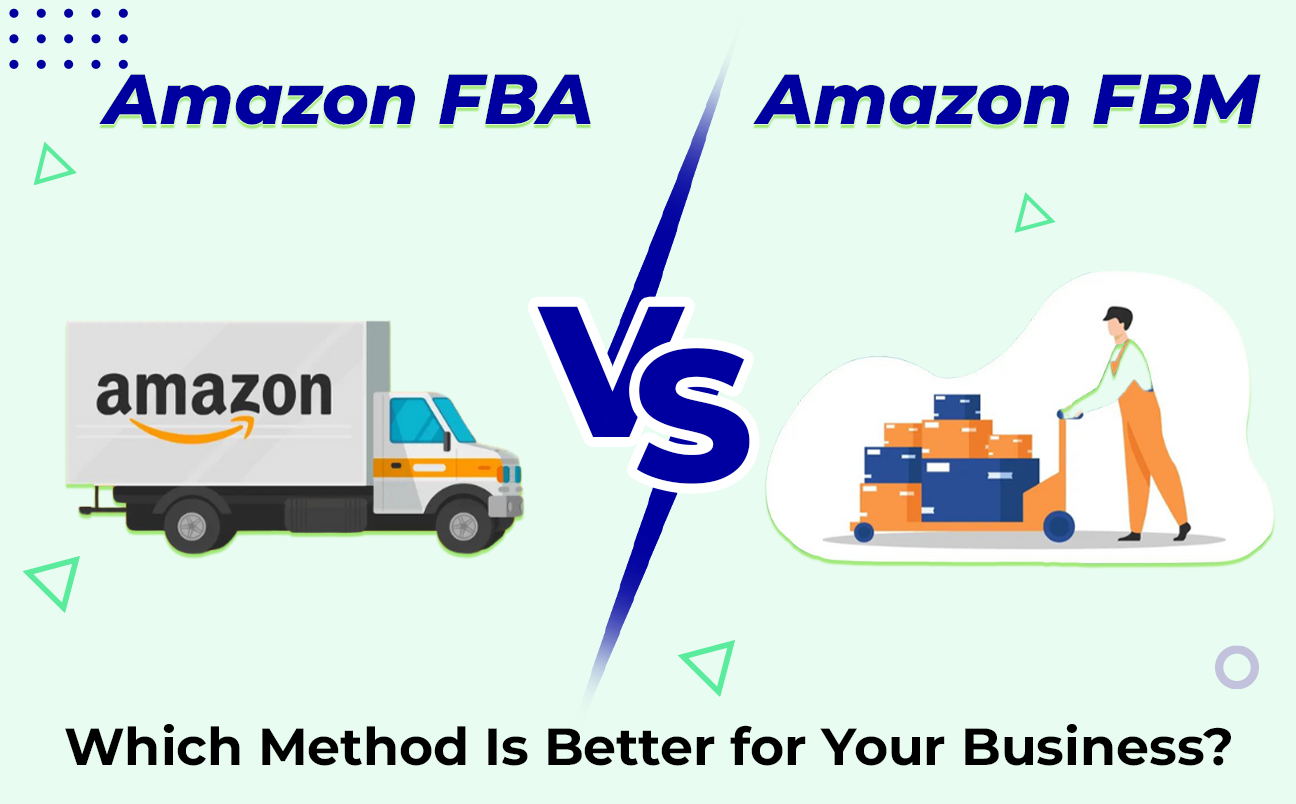
Amazon FBA vs. FBM: Which Method Is Better for Your Business?


Online sellers aiming to leverage Amazon’s vast marketplace often face a pivotal decision – should they utilize Amazon FBA (Fulfillment by Amazon) or FBM (Fulfillment by Merchant)? Evaluating the distinctions between Amazon FBA vs. FBM reveals how each model can potentially catalyze growth if matched strategically with your capabilities. This guide dives into the pros, cons, and vital factors in choosing between Amazon FBA vs. FBM, providing clarity for entrepreneurs seeking to thrive on Amazon.

Demystifying the Difference Between Amazon FBA vs. FBM

Navigating Amazon’s fulfillment options landscape can seem complex initially. Still, grasping the difference between Amazon FBA vs. FBM is key to mapping the optimal path ahead.

Amazon FBA – Effortless Shipping Meets Stringent Requirements
Amazon FBA enables sellers to leverage the e-commerce giant’s expert warehousing and shipping infrastructure. Sellers send inventory to Amazon’s vast fulfillment centres and pay fees for services like storage, packing, and delivery coordination. A core benefit is Prime eligibility – FBA products can tap into Amazon’s 100+ million Prime members through free two-day shipping.

Amazon FBM – Greater Control with Heightened Responsibility
Amazon FBM, in contrast, puts inventory management, order processing, and shipping operations entirely in the seller’s hands. Sellers list and sell on Amazon but handle fulfillment themselves or via a third party. This brings more control over branding and the customer experience. Still, it also translates to a greater workload as sales volumes grow.

Comparing the Pros and Cons of Amazon FBA and FBM

Both FBA and FBM come with distinct pluses and minuses to evaluate against your business needs and capabilities.

Advantages of Amazon FBA:

  • Access to Prime Members: Opens the door to Amazon’s huge base of Prime customers, which can skyrocket sales potential.
  • Reduced Logistical Headache: Amazon handles the grunt work of storing inventory, packing orders, and shipping them out. One less thing for sellers to worry about.
  • Better Customer Service: Amazon’s CS team takes care of product questions, returns, and issues for you. Makes life easier for both sellers and customers.
  • Improved Visibility: FBA items tend to rank higher in search since Prime members see them first. More eyeballs on your products.

Downsides of Amazon FBA:

  • Loss of Control: Amazon takes over shipping times, branding, etc once your items hit their fulfillment centre. Sellers cede control.
  • Rising Costs: Storage, fulfillment and other FBA fees can eat into profits, especially for cheaper items. The expenses add up.
  • Burdensome Preparation: Amazon forces sellers to follow strict labeling, prep and packaging rules for FBA items. More work upfront.

Benefits of Amazon FBM:

  • Customized Branding: Sellers can directly manage packaging and use it to build their brand. Personal touch.
  • Lower Fees: Skipping FBA costs can really boost profitability for high-volume or big/heavy products. Savings add up.
  • Direct Customer Bonding: Handling orders yourself lets you build relationships with customers. Personal connections.
  • Inventory Insight: With FBM, sellers can closely track stock levels and make changes fast. Stay nimble.

Challenges of Amazon FBM:

  • Bigger Workload: Doing your own fulfillment means more hours spent on shipping orders as sales increase. Sweat equity.
  • No Prime Access: FBM items aren’t Prime eligible, so you lose out on those juicy Prime customer sales. Major disadvantage.
  • More Customer Service: Sellers have to handle all product Qs, returns, and issues themselves. Time-consuming.
  • Logistics Pitfalls: Warehouse mistakes can cause stockouts or waste. More chances for errors.

Key Factors in Determining Amazon FBA vs. FBM

Choosing between the two models involves evaluating a matrix of factors:

  • Business Size and Structure – Lean startups may lack bandwidth for FBM. However, established firms can leverage their fulfillment ops and save via FBM.
  • Inventory Profile – Slow-moving or bulky items incur high FBA fees so FBM may be more profitable. Fast-selling products benefit from FBA’s Prime access.
  • Customer Experience Priorities – Brands focused on white-glove service may choose FBM for direct customer interactions—those prioritizing convenience benefit from FBA’s seamless fulfillment.
  • Future Goals and Priorities – Is Prime access critical for growth? Are margins or branding control more important? Aligning with long-term goals helps guide the FBA vs. FBM decision.
  • Monitoring the KPIs – What are KPIs? Closely tracking key data like sales velocity, customer reviews, returns and profitability by product provides insights to guide ongoing FBA vs. FBM choices.

Case Studies: FBA and FBM Success Stories

FBA Case Study: Pet Care Company Growth

PawPosse, a pet accessory company, leveraged Amazon FBA as sales exploded. By letting Amazon handle logistics, they focused on product development and marketing. FBA provided cost-efficiency, sped up order processing, and enabled Prime delivery. The results? A 322% annual revenue increase.

FBM Case Study: Furniture Brand Preserves Margins

MadeBig, a furniture brand, chose FBM to maintain packaging control and inventory flexibility. They preserved margins by keeping fulfillment in-house and avoiding FBA fees on bulky items. Their white-glove delivery service enhanced customer loyalty. They grew revenue by 29% last year by focusing on branding and the customer experience.

Conclusion – Choose the Path That Fits Your Needs

The Amazon FBA vs. FBM decision has vital implications for the sellers in the marketplace. While FBA offers turnkey logistics and Prime access, FBM offers greater control and potential cost savings. Many successful sellers leverage a hybrid, utilizing FBA for rapidly moving products but keeping bulky or specialized items in FBM.

For entrepreneurs seeking to build their brand on Amazon, uncovering the perfect balance between FBA and FBM is imperative. With the right strategy customized to your needs, you can benefit from Amazon’s platform while sustaining your competitive advantage. Collaborating with e-commerce specialists like HRL Infotechs, who offer end-to-end seller coaching and Amazon Account Management by experts, can help steer the complexities of the FBA vs. FBM decision and set your brand apart from the competition, and up for long-term success.

ACoS vs TACoS vs ROAS: Which Amazon KPI Matters Most?


In the ever-shifting landscape of online retail, mastering the complexities of Amazon advertising is a vital pursuit for sellers aiming to establish a distinctive presence in the fiercely competitive market. In this detailed guide, we embark on an in-depth exploration of pivotal metrics—ACoS, TACoS, and ROAS—unraveling their intricacies, importance, calculation methodologies, and strategies for enhancement. Our objective is to furnish you with insights that assist in discerning the primary significance among these metrics for your Amazon venture.

Understanding ACoS (Advertising Cost of Sales)

What is ACoS? ACoS, emerges as a crucial metric in Amazon advertising, illuminating the intricate correlation between advertising expenses and resulting sales. In simpler terms, it quantifies how adeptly clicks transform into tangible sales. The ACoS formula is a straightforward representation: ACoS = (Ad Spend / Sales) * 100.

Significance of the ACoS Metric

A low ACoS becomes a beacon of efficient ad spending, indicating a minimal percentage of sales dedicated to advertising costs. Conversely, a high ACoS implies a significant chunk of sales revenue allocated to advertising, signaling the imperative need for strategic campaign optimization.

Calculating Your ACoS

The process of computing ACoS involves dividing your total ad spend by the sales directly attributed to those ads and then multiplying the result by 100 to express it as a percentage.

Understanding TACoS (Total Advertising Cost of Sales)

TACoS adopts a panoramic perspective, considering the entirety of expenses related to advertising, transcending the confines of Amazon PPC. This encompasses costs associated with social media advertising, collaborations with influencers, and diverse external advertising channels. The TACoS formula aligns with ACoS but takes into account total advertising costs across various platforms.

Significance of the TACoS Metric

TACoS unfolds as a holistic lens through which overall advertising efficiency is evaluated. It guides decisions related to budget allocation across different channels, presenting a comprehensive understanding of the collective impact of varied advertising strategies.

Calculating Your TACoS

To calculate TACoS, the process involves summing up all advertising costs, inclusive of those beyond Amazon, dividing this total by the overall sales generated, and then multiplying the result by 100.

Understanding ROAS (Return on Ad Spend)

ROAS takes center stage, centering its focus on the revenue derived from advertising endeavors. It quantifies the earnings generated for every dollar spent on advertising. The ROAS formula is succinctly expressed as: ROAS = Revenue from Ads / Ad Spend.

Significance of the ROAS Metric

A high ROAS becomes the hallmark of lucrative ad campaigns, signifying substantial revenue compared to costs. Conversely, a low ROAS signals the potential need for strategic adjustments to achieve the desired return on investment.

Calculating Your ROAS

The computation of ROAS involves dividing the revenue generated from ads by the ad spend, providing a clear insight into the return on investment.

Optimizing Amazon Metrics

In optimizing your ACoS, TACoS, and ROAS on Amazon, you can implement various tactics to make the most of your advertising budget. Keep these approaches in mind for more effective PPC campaigns in the future.

ACoS Optimization

  • Regular assessments of ACoS pave the way for fine-tuning bid strategies.
  • Identification and elimination of underperforming keywords become crucial.
  • Elevating product listings serves to enhance organic visibility, thereby reducing dependence on paid advertising.

TACoS Optimization

  • Diversifying advertising channels becomes imperative for broader outreach.
  • Evaluating the performance of each channel aids in allocating budget based on effectiveness.
  • Implementing tracking mechanisms enables the measurement of the impact of external advertising efforts on overall sales.

ROAS Optimization

A vigilant monitoring of bidding strategies is essential, ensuring maximum return on investment.

Engaging in A/B testing becomes a strategic move to fine-tune ad creatives and messaging, pinpointing resonant strategies with the target audience.

Now, when it comes to choosing the paramount metric among ACoS, TACoS, and ROAS, the decision rests on the unique goals of your business. Each metric plays a pivotal role in painting a complete picture of your advertising performance. ACoS serves as a vigilant guardian, meticulously overseeing the efficiency of your Amazon PPC endeavors. Tacos, on the other hand, provides a panoramic view, considering all advertising costs across diverse platforms, guiding you toward a comprehensive understanding of your advertising landscape. Meanwhile, ROAS takes the spotlight, emphasizing the revenue generation aspect of your advertising efforts.

In essence, these metrics are not competing but rather collaborating in a harmonious symphony, each illuminating a different facet of your advertising strategy. The key lies in aligning them with your unique business objectives to orchestrate advertising success tailored to your goals.

Conclusion

Achieving success on Amazon demands a profound understanding of ACoS, TACoS, and ROAS. The consistent vigilance and fine-tuning of these metrics transcend mere information; they empower you to make strategic decisions that ensure your advertising strategies seamlessly align with your business goals. This ongoing process creates a dynamic and effective presence on the platform, steering your Amazon venture toward transformative success.

Ready to elevate your Amazon account management services? Collaborate with HRL Infotech for expert guidance and tailored optimization strategies. Unlock the full potential of your Amazon business by maximizing ROI and driving sales. Connect with us today for a transformative Amazon experience.

2024 Ecommerce Calendar: Important Dates for Ecommerce Businesses In 2024


In the dynamic world of online commerce, orchestrating success requires more than just a glance at the calendar. The year 2024 beckons, and savvy ecommerce entrepreneurs recognize that it’s not merely about dates but about strategically embracing pivotal moments. This isn’t your typical calendar; it’s a symphony of opportunities waiting to be conducted. In this comprehensive guide, we unravel the intricacies of the 2024 Ecommerce Calendar – a tuned and timed roadmap that promises to harmonize your online business with the rhythm of consumer dynamics and with the help of top ecommerce marketing agency, you could be successful this year. 

January 2024: Igniting Ambitions

As January unfolds, it’s more than the dawn of a New Year; it’s a blank canvas pulsating with fresh ambitions. Ecommerce visionaries seize this opportune moment, meticulously sculpting campaigns that harmonize with individuals venturing on a path of self-enhancement. It transcends the mere promotion of products; it’s a deliberate alignment with the fervent aspirations of a generation eagerly embracing positive transformation.

February 2024: Love Redefined

February isn’t merely the month of love; it’s a stage for redefining affection. Ecommerce virtuosos don’t settle for clichés; they compose promotions that captivate consumers seeking unique expressions of love. Bundled products and exclusive discounts become the notes in a symphony of romance.

March 2024: Springing into Action

March doesn’t merely announce the arrival of spring; it orchestrates an opening act for action. Ecommerce pioneers sync with the season, meticulously crafting selections that echo the essence of travel and outdoor escapades. The platform is poised for a captivating display, featuring products that elegantly waltz to the beats of the spring break spirit.

April 2024: Joyful Resonance

April isn’t a mere calendar page; it’s a crescendo of joy. Ecommerce artisans infuse their strategies with festive promotions and exclusive deals, creating a symphony that harmonizes with the joyful spirit of Easter. Creativity takes center stage, transforming campaigns into a festive spectacle.

May 2024: A Celebration Symphony

May isn’t just a month; it’s a celebration symphony. Ecommerce virtuosos diversify their tunes, creating campaigns that resonate with various celebrations – from Mother’s Day to Memorial Day. It’s not a generic melody but a tailored composition that appeals to diverse audiences.

June 2024: Colors of Pride

June transcends being merely Pride Month; it metamorphoses into a vibrant canvas where hues come alive. Ecommerce pioneers don’t simply incorporate a rainbow into their products; they champion causes and cultivate an online haven that embraces inclusivity. The resonance of authenticity and sensitivity intricately weaves through the very fabric of their marketing ventures, creating a melody that echoes through diverse communities.

July 2024: Patriotism in Harmony

July isn’t just about patriotism; it’s a symphony of national pride. Ecommerce leaders don’t merely sell products; they compose themed masterpieces and actively participate in the crescendo of Independence Day sales events. Their engagement resonates with the anthem of freedom.

August 2024: Back-to-School Symphony

August unfolds not merely as a back-to-school season but transforms into a symphony of meticulous preparation. Ecommerce virtuosos strike the right notes, targeting parents and students with promotions that go beyond textbooks. The melody of back-to-school resonates with deals, backpacks, and tech products.

September 2024: Football Fever

September isn’t just the kickoff of football season; it’s a symphony of sports fervor. Ecommerce maestros don’t settle for the sidelines; they create harmonies with sports-themed merchandise and exclusive deals on team apparel. The audience feels the pulse of the game.

October 2024: Fall Fantasy

October isn’t just about fall festivities; it’s a symphony of fantasy. Ecommerce visionaries curate products, promotions, and limited-time offers that create an enchanting melody. Interactive elements become the magic wand, turning campaigns into a bewitching spectacle.

November 2024: Sales Symphony

November isn’t just about retail sales; it’s a symphony of deals. Ecommerce leaders prepare for the crescendo of Black Friday and Cyber Monday. Their strategies aren’t just about discounts; they optimize platforms, leverage email marketing, and collaborate with influencers to build anticipation.

December 2024: Gift-Giving Sonata

December transcends being merely the conclusion of the year; it evolves into a sonata of gift-giving. Ecommerce virtuosos sculpt an enchanting shopping odyssey, meticulously crafting gift guides, tailor-made recommendations, and promotions steeped in the essence of the holiday season. The harmonious melody of generosity resonates through exclusive discounts and the festive allure of carefully adorned packaging.

Quarterly Reminders for 2024:

Ecommerce virtuosos integrate quarterly reviews into their symphony. These moments aren’t mere pauses; they are opportunities to refine strategies, optimize websites, and adjust inventory to the evolving tempo of consumer preferences.

Monthly Reminders for 2024:

Ecommerce trailblazers don’t merely navigate; they conduct monthly assessments of their ecommerce performance. They analyze website traffic, decipher sales data, and stay attuned to customer feedback. Their monthly symphony fine-tunes the user experience.

Holiday Selling Requirements:

Adherence to holiday-specific selling requirements isn’t a constraint; it’s part of the orchestrated performance. Ecommerce leaders ensure their platforms can handle the crescendo of holiday traffic, meet shipping deadlines, and communicate return policies with crystal clarity.

Make 2024 Your Best Year Yet!

In the grand symphony of ecommerce, consider seeking the expertise of a top ecommerce marketing agency. Their insights aren’t just notes; they are compositions that elevate your business in the digital marketplace. Additionally, recognize the importance of an ecommerce consultant – a conductor who tailors guidance to create a bespoke symphony of success.

Conclusion

The 2024 Ecommerce Calendar isn’t a routine; it’s a composition. In this symphony of opportunities, your online business doesn’t just play a part; it takes center stage. By seizing these moments, staying attuned to consumer dynamics, and harmonizing with expert guidance, your ecommerce journey becomes a transformative symphony. It’s not just about the calendar; it’s about conducting the melodies that resonate with the hearts of your audience.

As you step into the realm of ecommerce amidst the dynamic orchestration of 2024, envision a collaborative venture with HRL Infotechs – your foremost haven for unparalleled mastery in ecommerce marketing. Our squad doesn’t merely reproduce familiar tunes; we craft a symphonic strategy, meticulously designed to elevate your presence in the ever-evolving digital marketplace. Permit us to be the architect of your triumph – delve into the transformative opportunities alongside HRL Infotechs, your eminent partner in the realm of ecommerce marketing. Connect with us today, and together, let’s compose a melody of unparalleled success!